
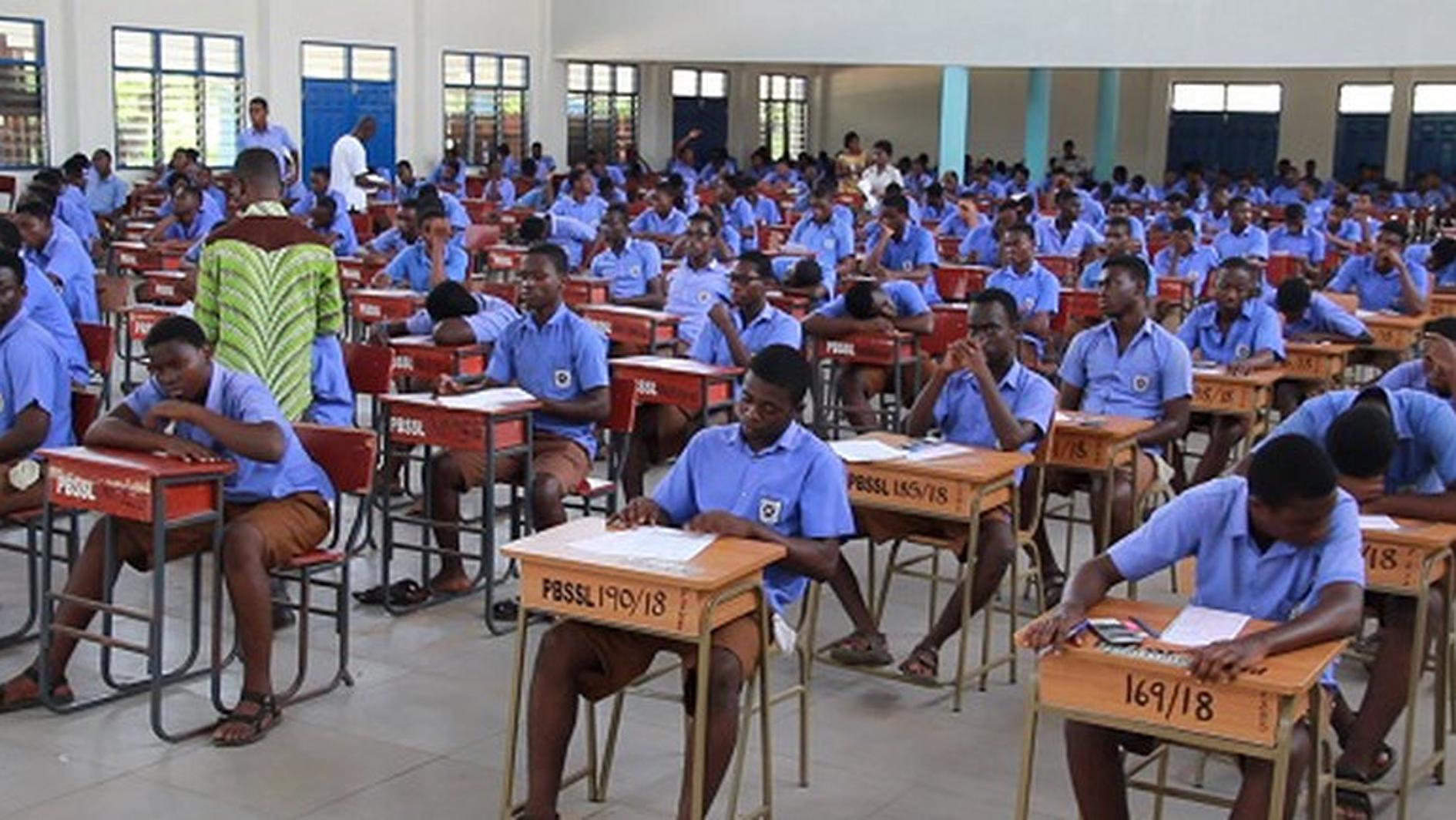
The Kogi State Government’s much-publicised free education policy is facing a fresh credibility test, with parents and teachers alleging that the programme is being undermined by compulsory school charges, unpaid teachers’ allowances and a shortage of personnel across public schools.
The emerging complaints expose a striking contradiction at the heart of the state’s education policy: while the government presents public education as free, critics say families continue to bear significant costs, while teachers responsible for delivering the programme complain of deteriorating welfare and inadequate manpower.
The concerns were raised separately by political advocate and social media commentator, Comrade Olorunhudo Samuel Taiwo, and the Academic Staff Union of Secondary Schools, ASUSS.
In an open letter to Governor Usman Ododo, Taiwo challenged the practical implementation of the administration’s free education policy, alleging that parents were still being compelled to pay maintenance fees in public schools.
He argued that such payments effectively defeat the purpose of declaring education free, particularly for families with several children in public schools.
According to Taiwo, some of the maintenance charges allegedly imposed on parents are comparable to the school fees they previously paid.
His argument is that the issue is not what government calls the charge, but who ultimately bears the cost of educating children.
“Replacing school fees with maintenance fees does not significantly reduce the financial burden on parents,” he said, arguing that compulsory payments continue to place pressure on low-income households.
Taiwo consequently called for a comprehensive review of the policy and greater transparency over the collection and utilisation of maintenance fees.
He urged the government to assume full responsibility for the running of public schools, including maintenance, infrastructure, instructional materials, utilities and other operational requirements.
While parents are questioning the meaning of “free” education, teachers are drawing attention to another problem threatening the policy: their own welfare.
ASUSS said the continued suspension of the 27.5 per cent Teachers’ Special Allowance was affecting teachers’ morale and could ultimately undermine teaching and learning.
The state chairman of the union, Comrade Emejeh Ogwu Sunday, said the allowance was established through a Collective Bargaining Agreement to recognise the peculiar demands of the teaching profession.
He urged the government to restore the allowance, arguing that doing so would boost teachers’ morale and demonstrate commitment to improving education.
ASUSS also identified an acute shortage of teachers in public secondary schools, warning that available teachers were increasingly carrying excessive workloads.
The union called for immediate recruitment of qualified teachers to fill vacancies across the state.
It also proposed a motorcycle loan scheme for teachers posted to rural communities, citing transportation challenges as a major impediment to effective service delivery.
The complaints from parents and teachers have now placed the government’s free education policy under a broader performance test.
For parents, the question is whether education can genuinely be described as free when compulsory payments remain in public schools.
For teachers, the question is whether the government can sustain quality education without adequately funding and motivating the personnel responsible for delivering it.
And for the schools themselves, the shortage of teachers raises concerns about whether existing facilities and personnel can cope with the demand for public education.
The controversy therefore goes beyond semantics over “school fees” and “maintenance fees.”
It raises a fundamental question about the Ododo administration’s education agenda: Is Kogi’s free education policy removing the cost of education from families, or merely transferring some of those costs into less visible charges while teachers and schools absorb the pressure?
Until the government addresses the allegations and provides clear evidence of how the policy is being financed and implemented, critics say the success of Kogi’s free education programme will continue to be measured not by official declarations, but by what parents pay, what teachers receive and what happens inside classrooms.