


By Friday Idachaba, Lokoja
The Kogi State Internal Revenue Service (KGIRS) has launched an aggressive statewide sensitisation campaign on Nigeria’s new tax laws, taking the message directly to taxpayers in Kogi Central with a pledge to dismantle misconceptions, tackle multiple taxation and secure wider public support for the reforms.
The first phase of the campaign was held in Okene, where residents, business owners, trade groups and other stakeholders were given the opportunity to question tax authorities and seek clarification on the new regime.
The exercise is expected to move to Kogi East and Kogi West Senatorial Districts as the state intensifies efforts to prepare taxpayers for the implementation of the reforms.
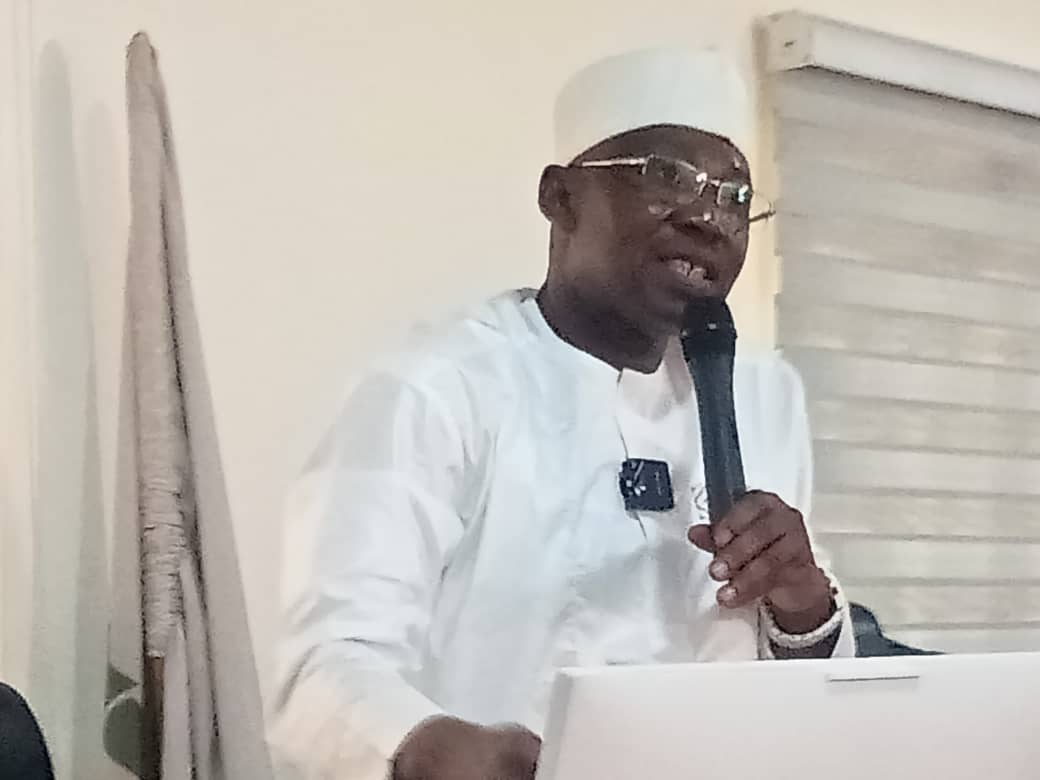
Speaking at the town hall meeting, the Executive Chairman of KGIRS, Dr Sule Salihu Enehe, described taxation as the financial backbone of any thriving society, stressing that a transparent and efficient tax system was essential to sustainable economic growth.
Represented by the Director of Legal Services, Barrister Abubakar-Aliyu Bala, Enehe said KGIRS had aligned its operations with the new tax laws and was determined to ensure that taxpayers understood their rights and obligations.
He said the sensitisation campaign was particularly important in dispelling misconceptions surrounding provisions designed to eliminate multiple taxation, protect small businesses and make tax administration more inclusive.
The KGIRS chairman reaffirmed the agency’s commitment to a fairer tax system anchored on the principle of “taxing prosperity, not poverty.”
He said the reforms were intended to encourage voluntary compliance while shielding low-income earners and vulnerable taxpayers from excessive tax burdens.
According to him, improved understanding and trust between government and taxpayers would be critical to the successful implementation of the new tax regime.
The Special Adviser to Governor Ahmed Usman Ododo on Internally Generated Revenue, Dr Rahman Nasir Ichanyi, told participants that the reforms would also tackle illegal revenue collection on highways and curb the proliferation of multiple taxes.
He said the new framework would provide clearer rules governing the relationship between taxpayers and government and reduce confusion over what individuals and businesses were legally required to pay.
Ichanyi assured participants that concerns raised during the town hall would be forwarded to Governor Ododo for consideration and necessary intervention.
The campaign, however, exposed a major challenge confronting businesses in Kogi Central, as stakeholders said taxation could not be separated from the difficult operating environment faced by entrepreneurs.
During the interactive session, participants, particularly operators in the informal sector, identified unreliable electricity supply and inadequate infrastructure as major obstacles to business growth, profitability and revenue generation.
They urged the state government to prioritise improvements in electricity and infrastructure, arguing that a stronger business environment would ultimately expand the tax base and increase government revenue.
The Director of MDAs at KGIRS, Hajia Hassanat Enehezei Salawu, gave participants a detailed breakdown of the major provisions of the new tax laws and responded to questions during the interactive session.
The meeting attracted representatives of business organisations, trade associations and taxpayers from different ethnic communities, including Ebira, Igbo, Yoruba and Hausa communities.
The broad representation underscored the widespread interest in the reforms and the need for government to communicate clearly with taxpayers across the state.
KGIRS said the sensitisation exercise would continue in Kogi East and Kogi West as part of efforts to deepen public awareness, address concerns, strengthen dialogue with taxpayers and ensure a smooth transition to the new tax regime.
The Service said the objective was not simply to collect more revenue, but to build a tax system based on transparency, fairness, voluntary compliance and mutual trust between government and citizens.
