


By Friday Idachaba, Lokoja
As Kogi State marks 35 years of its creation, the Conscience for Human Rights and Conflict Resolution (CHRCR) has called for urgent reforms in governance, infrastructure, housing, tourism and public accountability.
The group also demanded the establishment of a state-owned television station and stronger support for media organisations and practitioners in the state.
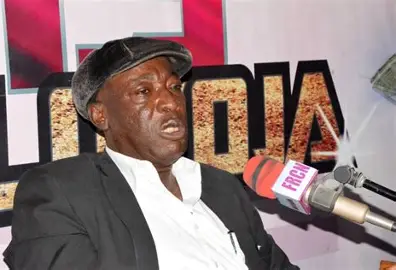
The Executive Director of CHRCR, Idris Abdul Miliki, made the demands in a statement titled “Kogi at 35, Where Do We Go From Here?” issued in Lokoja to commemorate the state’s 35th anniversary.
Kogi State was created on August 27, 1991.
Miliki said the anniversary offered an opportunity for the government and people of Kogi to assess the state’s journey, reflect on its achievements and failures, and chart a new direction for development.
He noted that Kogi had witnessed four military governors and four civilian administrations, including an acting governor, since its creation.
While congratulating the people for sustaining peaceful coexistence, the rights activist identified poor infrastructure, alleged corruption, weak accountability, misplaced priorities and inadequate citizen participation as major challenges.
Kogi needs state television
Miliki described the absence of a state-owned television station as a major setback to public information, transparency and cultural promotion.
He urged Governor Ahmed Usman Ododo to establish a state television station and improve the welfare and working conditions of media institutions and practitioners.
He also called for government intervention in the prolonged shutdown of Grace FM, Lokoja.
Lokoja water crisis
The CHRCR director expressed concern over the persistent water crisis in Lokoja and other parts of Kogi State.
He described the situation as unacceptable, particularly because Lokoja is located at the confluence of the Rivers Niger and Benue.
Miliki urged the government to prioritise the rehabilitation of roads and development of affordable housing schemes across the state.
He also called for a more productive partnership between the government and privately owned cement companies to support infrastructure and housing development.
On tourism and industrialisation, Miliki criticised the alleged abandonment of major state-owned facilities, including Confluence Beach Hotel and Kogi Hotel.
He urged the government to rehabilitate the facilities to create employment opportunities and generate revenue for the state.
He also called on Governor Ododo to personally assess the tourism potential of Mount Patti and develop it into a major tourist destination.
Miliki further advocated the establishment of industrial layouts and policies capable of attracting more industries to Kogi.
The rights activist called for a state of emergency on environmental sanitation, particularly in Lokoja.
He said the state capital was facing serious environmental challenges that could pose risks to public health.
Miliki urged the government to convene a stakeholders’ conference to review its environmental policy and develop practical measures for tackling the challenges.
On governance, Miliki questioned what he described as the proliferation of political appointments in the state.
He urged Governor Ododo to place economic development above political patronage and strengthen accountability in the management of public resources.
He also criticised the distribution of government palliatives, calling for an updated Social Protection Register and a clear social investment policy.
According to him, government interventions should reach vulnerable citizens irrespective of their political affiliations.
Laws, anti-corruption commission
Miliki urged the Kogi State Government to ensure that laws passed by the State House of Assembly are properly gazetted and made accessible to citizens.
He also called for the establishment of the state’s anti-corruption commission following the passage and signing of the relevant law.
He said an effective anti-corruption framework was necessary to promote transparency, accountability and sustainable development in Kogi State.
Despite its criticisms, CHRCR acknowledged what Miliki described as recent improvements in the state’s security sector under Governor Ododo.
He urged the government to sustain the gains and strengthen measures aimed at protecting residents, businesses and communities across the state.
As Kogi marks 35 years, Miliki said the anniversary should serve as a turning point for deeper accountability, inclusive governance and practical development that directly improves the lives of citizens.
