

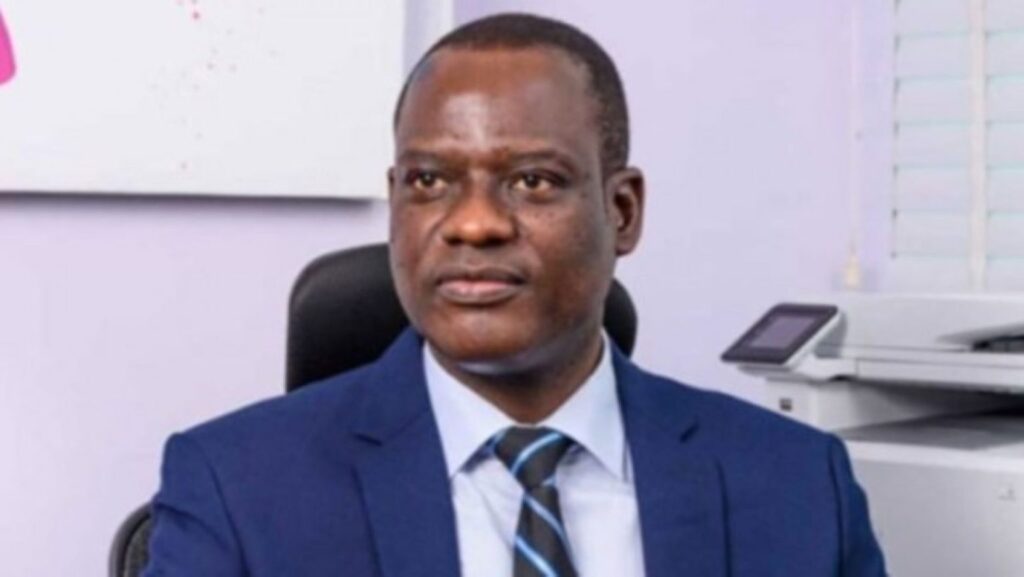

The Senate Ad-hoc Committee on the Safe Schools Initiative on Friday intensified its scrutiny into the management of billions of naira earmarked for protecting schools across the country, as the Minister of Finance and Coordinating Minister of the Economy, Mr. Taiwo Oyedele, appeared before lawmakers to explain the disbursement and oversight of funds under the programme.
The high-stakes hearing, chaired by Senator Orji Uzor Kalu at the National Assembly, came less than 24 hours after the committee questioned the Minister of Education, Dr. Tunji Alausa, in what is fast becoming one of the Senate’s most comprehensive investigations into the implementation of the Safe Schools Initiative.
At the centre of the probe are government appropriations, donor contributions, fund releases and accountability mechanisms established to safeguard schools against attacks, kidnappings and other security threats.

Opening the session, Kalu commended Oyedele for honouring the committee’s invitation, describing his appearance as a demonstration of respect for democratic institutions and legislative oversight.
“Every time the Senate invites you, you honour the invitation. That reflects respect for Parliament and, ultimately, the Nigerian people,” Kalu said.
He stressed that the committee was not on a witch-hunt but was carrying out a constitutional responsibility to establish how funds allocated for the protection of schools had been managed.
“Our assignment is to trace financial allocations, donor contributions, disbursements and the utilisation of resources dedicated to keeping Nigerian schools safe. This is about accountability, value for money and the protection of our children,” the chairman stated.
Kalu noted that although many of the transactions under review predated Oyedele’s appointment, the Federal Ministry of Finance remained central to the investigation because of its constitutional role as custodian of public funds.
“We recognise that you were not the minister when many of these transactions occurred. However, government is a continuum, and institutions must account for their stewardship,” he added.
Because of the sensitive nature of the discussions, particularly those touching on security operations and funding arrangements, the committee moved into a closed-door executive session.
“We cannot openly discuss operational details relating to school security because criminals are listening. Certain matters require confidentiality in the national interest,” Kalu explained.
Responding, Oyedele reaffirmed the Federal Government’s commitment to transparency and cooperation with the National Assembly, describing the safety of schools as a national priority that transcends politics and institutional boundaries.
“We welcome this engagement because protecting our schools is not merely about today’s students; it is about safeguarding the future of Nigeria,” he said.
The minister acknowledged that government had identified weaknesses in the funding process, particularly delays in releasing resources to agencies responsible for securing schools.
“We have identified areas that require improvement, especially ensuring the timely release of funds to agencies such as the Nigeria Police Force, the Nigeria Security and Civil Defence Corps, the Department of State Services and other institutions involved in school protection,” he told lawmakers.
He assured the committee that the ministry was strengthening financial controls and accountability mechanisms to ensure that public resources are properly managed and released without unnecessary delays.
Echoing a position earlier taken by the Minister of Education, Oyedele maintained that public office holders must accept institutional responsibility regardless of when the issues under investigation occurred.
“Whether these matters happened before my appointment is secondary. Government is a continuum, and those entrusted with public institutions must take responsibility for ensuring they function effectively,” he said.
Speaking with journalists after the executive session, the minister addressed suggestions that the Safe Schools Initiative should be moved entirely from the Ministry of Finance to the Ministry of Education.
He insisted that the real challenge was not which ministry controlled the budget but whether funds reached implementing agencies when they were needed.
“The first point to emphasise is that keeping our schools safe is a shared national responsibility. The National Assembly, the Executive, the Ministries of Finance and Education, state governments and security agencies all have important roles to play,” he said.
Oyedele explained that under existing financial regulations, certain intervention funds and service-wide votes are legally administered by the Ministry of Finance through the Office of the Accountant-General.
“The issue should not be who controls the budget. The real issue is ensuring that resources are available and released promptly to those responsible for protecting our schools,” he stated.
He argued that timely funding was critical to preventing attacks rather than responding after lives had already been lost.
“What matters most is making sure funds are available before incidents occur. Prompt funding strengthens preventive measures and reduces risks, instead of forcing government into damage-control after tragedies.”
The minister, however, cautioned that increased funding alone could not completely eliminate insecurity.
“There is no guarantee that even unlimited resources will eradicate insecurity. But adequate funding, efficient coordination and timely intervention will significantly improve our capacity to prevent attacks.”
Oyedele also urged Nigerians and the media to support ongoing security operations by promoting responsible reporting that does not inadvertently amplify the propaganda of criminal groups.
“Sometimes we unintentionally strengthen terrorists by amplifying fear while overlooking the efforts of security agencies. The narratives we promote can either support or undermine the fight against insecurity.”
He called for a united national response, insisting that protecting schools was a collective responsibility that extends beyond government.
“It is in our collective interest to work together against insecurity. Protecting our schools and securing the future of our children is a responsibility every Nigerian shares.”
The Senate committee is expected to continue its investigation after reviewing documents and evidence obtained during the executive session before submitting its report and recommendations to the Senate.