


***Lawmakers fault slow budget implementation, seek fiscal reforms
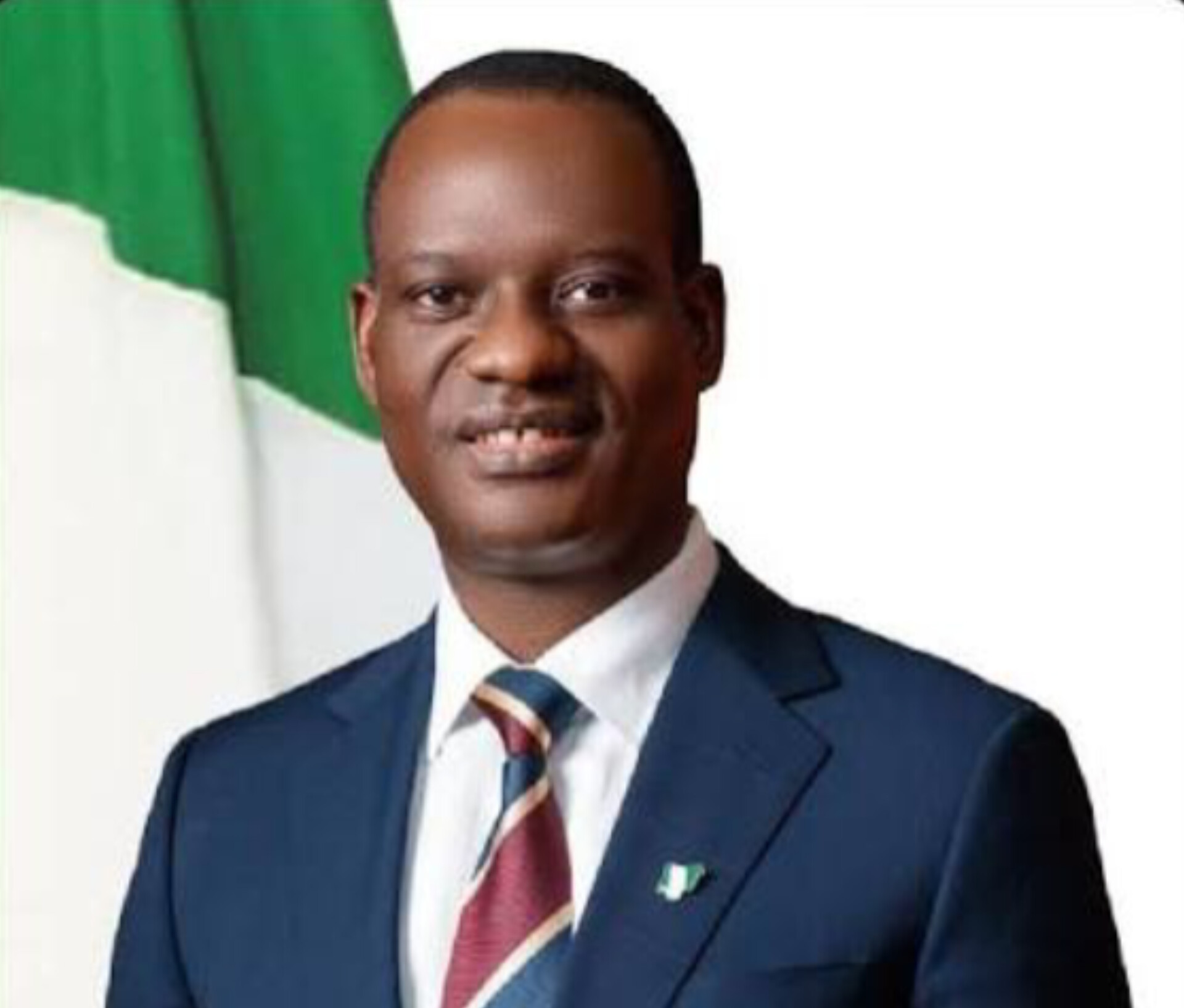
The Chairman of the Presidential Committee on Fiscal Policy and Tax Reforms, Taiwo Oyedele, on Monday pushed back against widespread claims that President Bola Tinubu’s administration had borrowed about ₦80 trillion, telling senators that the sharp rise in Nigeria’s public debt was driven largely by exchange rate movements, inherited obligations and accounting adjustments rather than fresh loans.
Appearing before the Senate Committee on Finance during a high-level review of the nation’s fiscal performance, Oyedele said the country’s debt profile had been widely misrepresented, arguing that many Nigerians mistakenly equate the increase in the total debt stock with new borrowing.
His clarification came as lawmakers voiced concerns over sluggish budget implementation despite improved revenue generation and called for a comprehensive overhaul of Nigeria’s budgeting framework.
Addressing the committee, Oyedele explained that although Nigeria’s public debt has risen to about ₦159 trillion, the increase cannot be interpreted as money borrowed by the Tinubu administration.
“When this administration came into office, public debt stood at about ₦75 trillion. People simply compare that figure with where we are today and conclude that this government borrowed the difference. That is not the case,” he said.
According to him, more than ₦40 trillion of the increase resulted from the depreciation of the naira, which significantly raised the local currency value of Nigeria’s existing external debt.
“Nothing changed about those loans in dollar terms. What changed was the exchange rate. Once the naira weakened, the naira value of those same obligations increased substantially,” he explained.
Oyedele said another major contributor was the formal recognition of the ₦33 trillion Ways and Means advances accumulated by the previous administration and later securitised with the approval of the National Assembly.
“That was not fresh borrowing. It was the conversion of existing obligations into recognised public debt for transparency and proper fiscal reporting,” he stated.
He also cautioned against interpreting every borrowing approval granted by the National Assembly as funds already accessed.
“Approval to borrow is different from actual borrowing. There are negotiations, disbursement processes and project implementation stages. We have not even accessed half of what has been approved,” he said.
To improve public understanding, Oyedele disclosed that the Ministry of Finance was preparing a comprehensive report detailing borrowing approvals, actual loan drawdowns and the projects financed with the funds.
On concerns over continued borrowing despite higher government revenues, the tax reform chairman explained that increased revenue does not automatically eliminate fiscal deficits.
“If government requires ₦10 to implement its budget but generates ₦7, there is still a financing gap of ₦3. Borrowing remains necessary until revenue catches up with expenditure,” he said.
He attributed the continued financing gap to rising debt servicing obligations, implementation of the new national minimum wage, salary adjustments and expanded social investment programmes, including the Nigerian Education Loan Fund (NELFUND).
Senators question budget performance
Earlier, Chief Whip of the Senate, Senator Tahir Monguno, expressed concern that despite improved revenue performance by agencies such as the Federal Inland Revenue Service (FIRS) and the Nigeria Customs Service, capital budget implementation remained poor.
He noted that a significant portion of the 2025 budget had been rolled over into 2026, while implementation of the current year’s budget was progressing slowly.
“The dividends of democracy are delivered through budget implementation, especially capital projects. If the budget is not being implemented, then government is failing in one of its primary responsibilities,” Monguno said.
He also disclosed that security agencies informed lawmakers they had received no capital releases despite the country’s worsening security situation.
Describing implementation of the Appropriation Act as a constitutional obligation, the senator warned that failure to execute the budget amounted to a breach of the law.
“Failure to implement an Appropriation Act is a breach of the law and such a breach is an impeachable offence,” he declared.
Monguno also demanded explanations over recent Federation Account Allocation Committee (FAAC) distributions, questioning why about ₦1.7 trillion was reportedly retained after approximately ₦3.7 trillion accrued to the Federation Account.
Senator Adamu Aliero also raised concerns over the country’s debt profile and the pace of budget execution.
While acknowledging the construction of major infrastructure projects such as the Lagos-Calabar Coastal Highway and the Sokoto-Badagry Highway, he said many other critical projects across the country remained unattended.
Responding, Oyedele explained that amounts retained before FAAC distributions were statutory deductions covering intervention funds, collection costs and other legally approved obligations.
Senate seeks new budgeting model
In his remarks, Chairman of the Senate Committee on Finance, Senator Mohammed Sani Musa, said Nigeria must move away from its current budgeting approach and adopt a performance- and priority-based budgeting system capable of delivering measurable outcomes.
He observed that many expenditure items recur every year with increasing allocations despite limited implementation.
“The Executive and the National Assembly need to review the entire budget framework because several line items continue to repeat themselves annually, placing additional pressure on public finances,” Musa said.
According to him, future budgets should prioritise programmes that deliver tangible results rather than simply rolling over previous allocations.
“Nations that have embraced performance-based budgeting have achieved better fiscal outcomes. Nigeria should not be different,” he added.
Musa also stressed the need for stronger coordination between fiscal and monetary authorities, saying economic reforms would only be meaningful when they translate into improved living standards for Nigerians.
“Ultimately, the success of these reforms will not be judged by statistics alone but by whether ordinary Nigerians can feel the impact in their daily lives,” he said.
The committee resolved to continue engagements with the economic management team as part of efforts to strengthen debt management, improve budget execution and ensure greater fiscal accountability.Tinubu Didn’t Borrow ₦80tn, Debt Surge Largely Accounting Effect, Oyedele Tells Senate
Explains debt spike driven by naira devaluation, inherited liabilities
Lawmakers fault slow budget implementation, seek fiscal reforms
By John Akubo, Abuja
The Chairman of the Presidential Committee on Fiscal Policy and Tax Reforms, Taiwo Oyedele, on Monday pushed back against widespread claims that President Bola Tinubu’s administration had borrowed about ₦80 trillion, telling senators that the sharp rise in Nigeria’s public debt was driven largely by exchange rate movements, inherited obligations and accounting adjustments rather than fresh loans.
Appearing before the Senate Committee on Finance during a high-level review of the nation’s fiscal performance, Oyedele said the country’s debt profile had been widely misrepresented, arguing that many Nigerians mistakenly equate the increase in the total debt stock with new borrowing.
His clarification came as lawmakers voiced concerns over sluggish budget implementation despite improved revenue generation and called for a comprehensive overhaul of Nigeria’s budgeting framework.
Addressing the committee, Oyedele explained that although Nigeria’s public debt has risen to about ₦159 trillion, the increase cannot be interpreted as money borrowed by the Tinubu administration.
“When this administration came into office, public debt stood at about ₦75 trillion. People simply compare that figure with where we are today and conclude that this government borrowed the difference. That is not the case,” he said.
According to him, more than ₦40 trillion of the increase resulted from the depreciation of the naira, which significantly raised the local currency value of Nigeria’s existing external debt.
“Nothing changed about those loans in dollar terms. What changed was the exchange rate. Once the naira weakened, the naira value of those same obligations increased substantially,” he explained.
Oyedele said another major contributor was the formal recognition of the ₦33 trillion Ways and Means advances accumulated by the previous administration and later securitised with the approval of the National Assembly.
“That was not fresh borrowing. It was the conversion of existing obligations into recognised public debt for transparency and proper fiscal reporting,” he stated.
He also cautioned against interpreting every borrowing approval granted by the National Assembly as funds already accessed.
“Approval to borrow is different from actual borrowing. There are negotiations, disbursement processes and project implementation stages. We have not even accessed half of what has been approved,” he said.
To improve public understanding, Oyedele disclosed that the Ministry of Finance was preparing a comprehensive report detailing borrowing approvals, actual loan drawdowns and the projects financed with the funds.
On concerns over continued borrowing despite higher government revenues, the tax reform chairman explained that increased revenue does not automatically eliminate fiscal deficits.
“If government requires ₦10 to implement its budget but generates ₦7, there is still a financing gap of ₦3. Borrowing remains necessary until revenue catches up with expenditure,” he said.
He attributed the continued financing gap to rising debt servicing obligations, implementation of the new national minimum wage, salary adjustments and expanded social investment programmes, including the Nigerian Education Loan Fund (NELFUND).
Senators question budget performance
Earlier, Chief Whip of the Senate, Senator Tahir Monguno, expressed concern that despite improved revenue performance by agencies such as the Federal Inland Revenue Service (FIRS) and the Nigeria Customs Service, capital budget implementation remained poor.
He noted that a significant portion of the 2025 budget had been rolled over into 2026, while implementation of the current year’s budget was progressing slowly.
“The dividends of democracy are delivered through budget implementation, especially capital projects. If the budget is not being implemented, then government is failing in one of its primary responsibilities,” Monguno said.
He also disclosed that security agencies informed lawmakers they had received no capital releases despite the country’s worsening security situation.
Describing implementation of the Appropriation Act as a constitutional obligation, the senator warned that failure to execute the budget amounted to a breach of the law.
“Failure to implement an Appropriation Act is a breach of the law and such a breach is an impeachable offence,” he declared.
Monguno also demanded explanations over recent Federation Account Allocation Committee (FAAC) distributions, questioning why about ₦1.7 trillion was reportedly retained after approximately ₦3.7 trillion accrued to the Federation Account.
Senator Adamu Aliero also raised concerns over the country’s debt profile and the pace of budget execution.
While acknowledging the construction of major infrastructure projects such as the Lagos-Calabar Coastal Highway and the Sokoto-Badagry Highway, he said many other critical projects across the country remained unattended.
Responding, Oyedele explained that amounts retained before FAAC distributions were statutory deductions covering intervention funds, collection costs and other legally approved obligations.
Senate seeks new budgeting model
In his remarks, Chairman of the Senate Committee on Finance, Senator Mohammed Sani Musa, said Nigeria must move away from its current budgeting approach and adopt a performance- and priority-based budgeting system capable of delivering measurable outcomes.
He observed that many expenditure items recur every year with increasing allocations despite limited implementation.
“The Executive and the National Assembly need to review the entire budget framework because several line items continue to repeat themselves annually, placing additional pressure on public finances,” Musa said.
According to him, future budgets should prioritise programmes that deliver tangible results rather than simply rolling over previous allocations.
“Nations that have embraced performance-based budgeting have achieved better fiscal outcomes. Nigeria should not be different,” he added.
Musa also stressed the need for stronger coordination between fiscal and monetary authorities, saying economic reforms would only be meaningful when they translate into improved living standards for Nigerians.
“Ultimately, the success of these reforms will not be judged by statistics alone but by whether ordinary Nigerians can feel the impact in their daily lives,” he said.
The committee resolved to continue engagements with the economic management team as part of efforts to strengthen debt management, improve budget execution and ensure greater fiscal accountability.
