
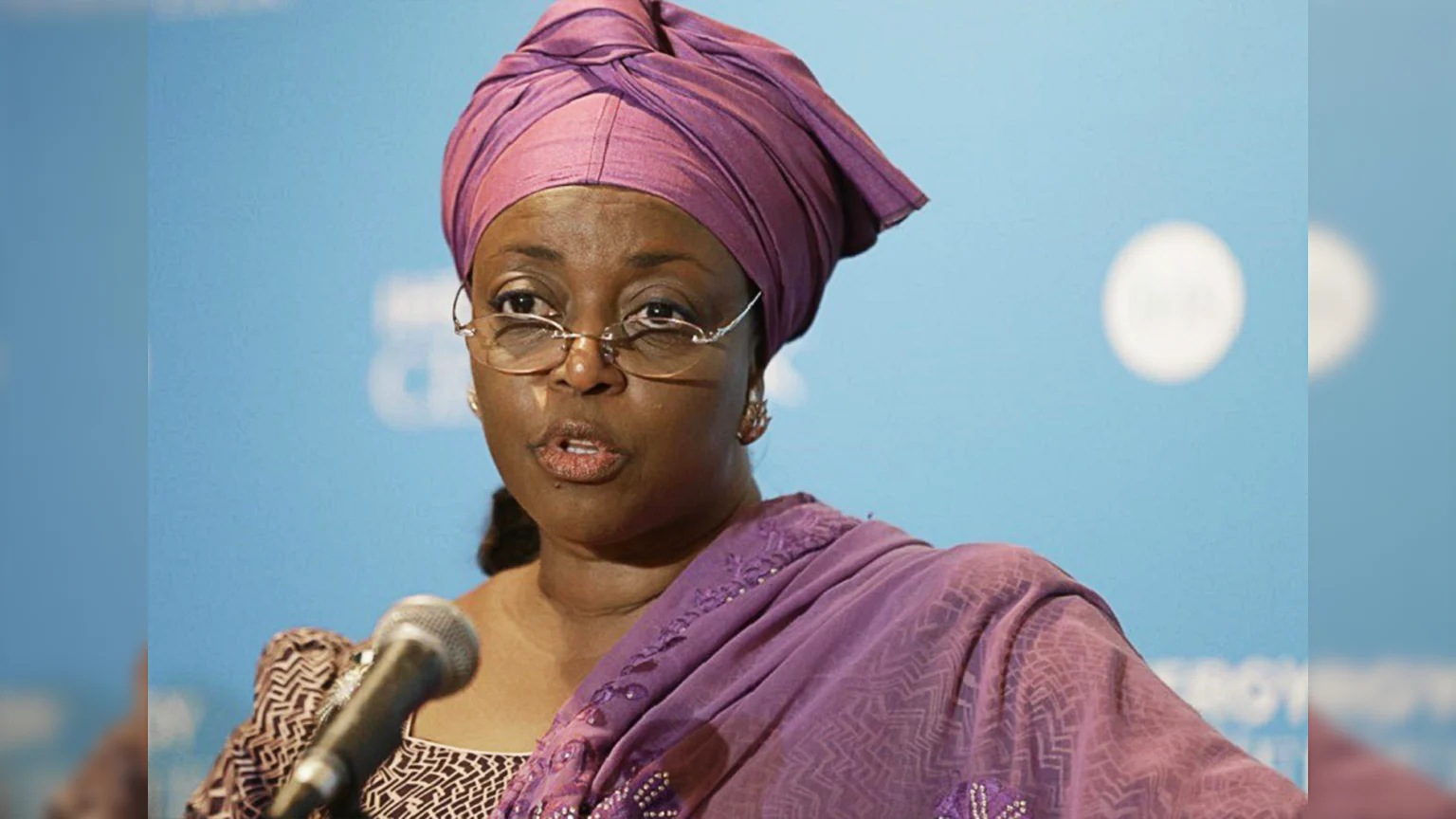
The long-running UK corruption trial involving former Nigerian Petroleum Minister, Diezani Alison-Madueke, is nearing a dramatic conclusion after prosecutors and defence lawyers wrapped up arguments at London’s Southwark Crown Court.
With the courtroom battle now closed, jurors are preparing to decide whether the former minister and her co-defendants — Olatimbo Ayinde and Doye Agama — are guilty of alleged bribery tied to Nigeria’s oil sector. All three have denied wrongdoing.
At the heart of the case are allegations that luxury properties, expensive gifts and covert financial arrangements were used to influence oil contract decisions during Alison-Madueke’s time in office between 2010 and 2015.

In a tense final exchange, defence lawyer Jonathan Laidlaw accused prosecutors of building their case on shaky evidence and ignoring key gaps in the investigation, including disputed handling of evidence recovered from the former minister’s Abuja residence in 2015.
He argued that records capable of explaining several transactions and official expenses were either missing or overlooked, while also questioning the prosecution’s selective reliance on material linked to Nigeria’s Economic and Financial Crimes Commission.
But lead prosecutor Alexandra Healy insisted the evidence painted a clear pattern of improper benefits exchanged for influence, highlighting a controversial £1 million payment allegedly connected to businessman Benedict Peters.
Attention now shifts to the jury, whose verdict could mark one of the most consequential legal reckonings involving a former top Nigerian government official in a foreign court.