


The Senate on Tuesday opened a major constitutional confrontation with some of Nigeria’s most powerful revenue-generating agencies, vowing to wield its full constitutional authority against the Central Bank of Nigeria (CBN), the Nigerian National Petroleum Company Limited (NNPCL) and over 40 Ministries, Departments and Agencies (MDAs) accused of frustrating legislative oversight by refusing to account for public funds.
In a move signalling a tougher crackdown on fiscal impunity, the upper chamber resolved to compel the defaulting agencies to appear before its Committee on Finance to explain alleged failures in revenue remittances, operating surpluses and compliance with the Fiscal Responsibility Act and other financial laws.
The decision followed a motion by Chairman of the Senate Committee on Finance, Senator Sani Musa, who warned that persistent refusal by key government agencies to honour legislative invitations amounted to a direct challenge to the constitutional powers of the National Assembly and posed a serious threat to transparency and accountability in public finance.
Invoking Sections 88 and 89 of the 1999 Constitution (as amended), Musa stressed that the Senate possessed the constitutional authority to investigate the finances and administration of public institutions, summon witnesses, demand documents and examine the management of public resources.
“As part of our constitutional mandate under Sections 88 and 89 of the Constitution, the Senate Committee on Finance conducts periodic investigative hearings to examine the financial operations of Government-Owned Enterprises and Ministries, Departments and Agencies,” he said.
According to him, the ongoing investigation covers internally generated revenue, stamp duty collections where applicable, operating surpluses and statutory remittances into the Consolidated Revenue Fund (CRF).
He, however, lamented that several agencies had repeatedly ignored invitations or outrightly refused to cooperate with the committee.
“More concerning is that some have taken the position that they are under no obligation to appear before the committee or submit the requested information, notwithstanding the clear constitutional and statutory powers vested in the National Assembly to conduct oversight over the finances and administration of public institutions,” Musa said.
He warned that such actions strike at the heart of constitutional governance.
“These developments constitute a serious challenge to the effective discharge of the committee’s oversight responsibilities and undermine the constitutional authority of the Senate. If left unchecked, they could erode legislative oversight, weaken fiscal accountability and diminish transparency in the management of public resources.”
Musa further accused several agencies of systematically violating the Fiscal Responsibility Act and the Finance Act 2022 by withholding government revenue that ought to have been paid into the Federation’s coffers.
“These are agencies that collect revenue for government, and the Fiscal Responsibility Act as well as the Finance Act 2022 direct that all Ministries, Departments and Agencies must comply with the financial regulations on remittances.
“Most of them don’t comply. Instead of remitting what is required by law, they retain the larger percentage of the revenue and remit only a fraction. We need to call them to order.”
He disclosed that some agencies had allegedly withheld public funds dating back to 2020.
“We will request that they come for scrutiny so that the Fiscal Responsibility Commission can carry out reconciliation, after which we will require them to refund the money as quickly as possible. Some have been holding these funds since 2020,” he said.
Throwing the full weight of the Senate behind the committee, Senate President Godswill Akpabio dismissed claims by some agencies that Senate committees lacked the constitutional authority to summon them, insisting that the powers of the National Assembly were expressly guaranteed by the Constitution.
“What we are talking about is that they are saying the Senate Committee does not have the power to invite them. But the Senate has the power. The National Assembly has the power,” Akpabio declared.
“We have the powers enshrined in the Constitution to invite them.”
He directed the Finance Committee to return with a substantive motion empowering the Senate to compel the attendance of all defaulting agencies.
“Come with a substantive motion. One of the prayers should be to compel them to appear before the National Assembly through your committee.”
Akpabio also warned that continued defiance of legislative summons would attract constitutional sanctions.
“If eventually they do not appear, we know the appropriate action to take,” he cautioned.
Among the agencies listed for summons are the CBN, NNPCL, Federal Airports Authority of Nigeria (FAAN), Nigerian Civil Aviation Authority (NCAA), Nigerian Maritime Administration and Safety Agency (NIMASA), Office of the Accountant-General of the Federation, Nigerian Ports Authority (NPA), Nigerian Upstream Petroleum Regulatory Commission (NUPRC), Nigerian Midstream and Downstream Petroleum Regulatory Authority (NMDPRA), Nigerian Electricity Regulatory Commission (NERC), Joint Admissions and Matriculation Board (JAMB), National Examinations Council (NECO), Nigeria Deposit Insurance Corporation (NDIC), National Insurance Commission (NAICOM), Nigeria Social Insurance Trust Fund (NSITF), National Oil Spill Detection and Response Agency (NOSDRA), National Inland Waterways Authority (NIWA), National Agency for Science and Engineering Infrastructure (NASENI), Nigerian Communications Satellite Limited (NIGCOMSAT), Nigerian Export-Import Bank (NEXIM), Nigerian Export Promotion Council (NEPC), Transmission Company of Nigeria (TCN), Standards Organisation of Nigeria (SON), Federal Mortgage Bank of Nigeria (FMBN), Nigerian Agricultural Insurance Corporation (NAIC), National Hajj Commission of Nigeria (NAHCON), Federal Medical Centre, Jabi, and several other revenue-generating institutions.
The Senate subsequently adopted the motion by voice vote, setting the stage for formal summons to the affected agencies in what lawmakers described as a renewed offensive to enforce fiscal discipline, recover outstanding government revenues and reassert the constitutional oversight powers of the National Assembly.
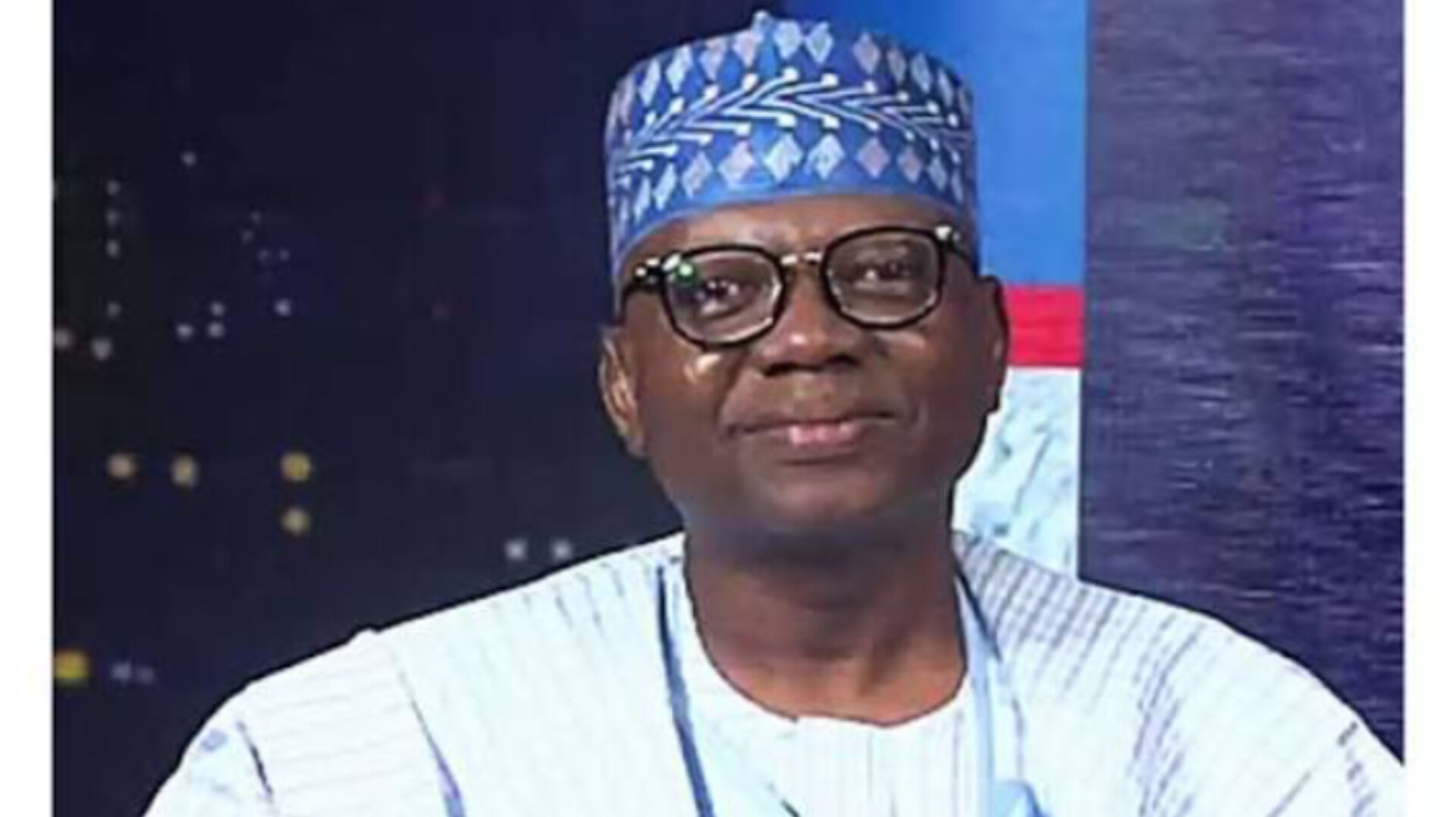
Senator Sanni Musa
