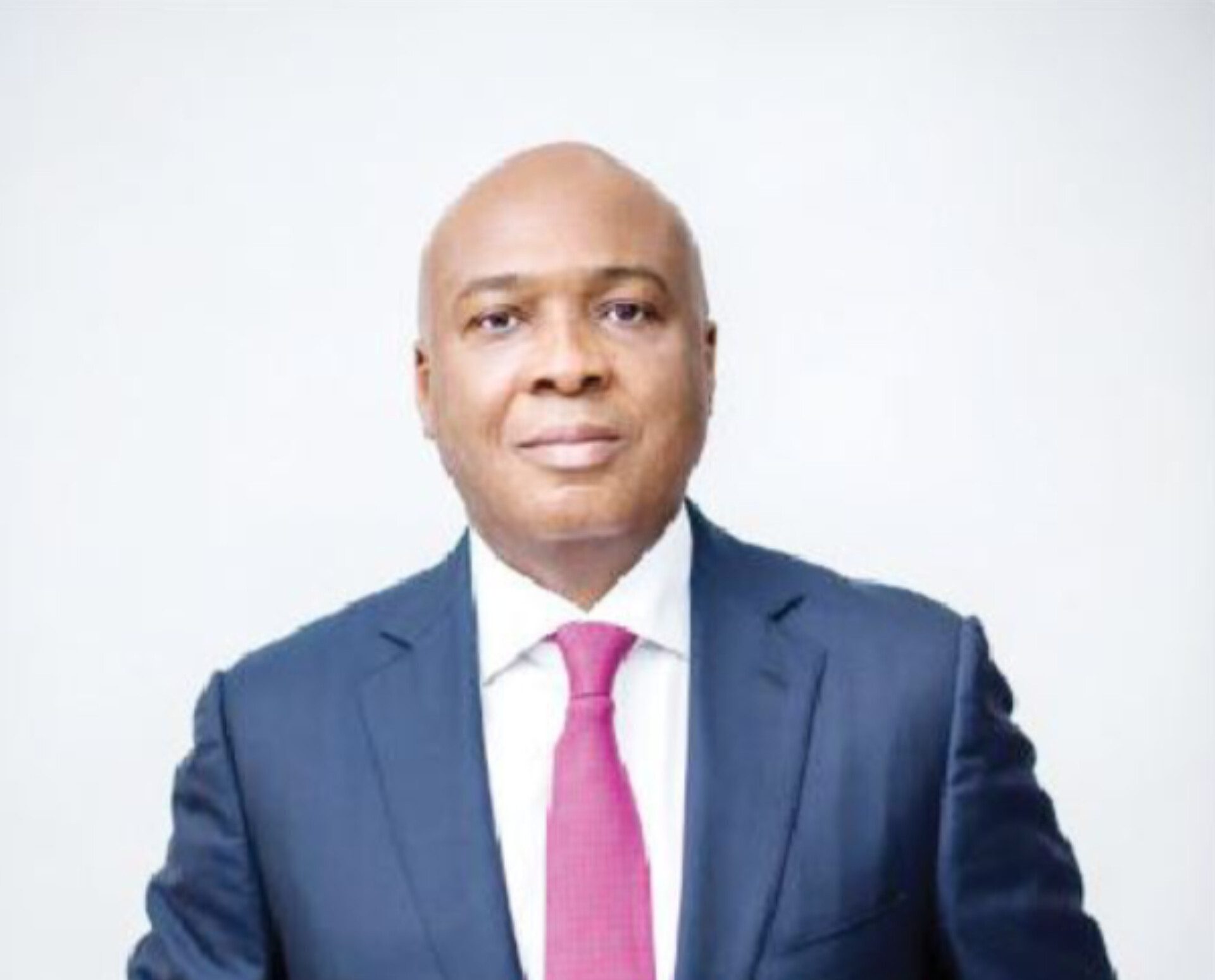

Saraki Sounds Alarm Over Weak Legislature: ‘A Parliament That Can’t Say No Is No Parliament’
By Staff Reporter
Former Senate President Bukola Saraki has warned that Nigeria’s democracy risks being weakened if the legislature loses its independence and ability to effectively check the executive arm of government.
Speaking at The Platform’s June Forum in Lagos, Saraki stressed that a parliament that merely endorses executive decisions without scrutiny fails in its constitutional responsibility.
“A parliament that can’t say no is no parliament,” he declared, arguing that the National Assembly must remain strong, independent and accountable to the people.
According to him, the legislature serves as the cornerstone of democratic governance, providing oversight, accountability and a platform for resolving national grievances through debate rather than conflict.
Saraki noted that the framers of Nigeria’s Constitution deliberately separated powers among the executive, legislature and judiciary to ensure checks and balances. He maintained that a degree of tension among the three arms of government is healthy and necessary for democratic stability.
The former Senate President also defended the National Assembly’s role in budget-making, dismissing frequent allegations of budget padding. He explained that lawmakers are constitutionally empowered to review, amend and align executive budget proposals with national priorities and the needs of their constituents.
He cautioned against spending outside approved budgets, describing such actions as violations of due process that undermine transparency and democratic accountability.
On public borrowing, Saraki said legislative approval remains essential because debt decisions have long-term implications for future generations. He also defended the legislature’s oversight and confirmation powers, saying they are critical tools for ensuring competence, transparency and accountability in government.
Saraki further called for reforms to strengthen electoral processes, improve legislative capacity and curb vote-buying, warning that weak institutions and poor electoral choices pose serious threats to Nigeria’s democratic development.
He concluded that sustaining democracy requires an effective legislature that remains close to the people and possesses the courage and independence to hold the executive accountable whenever necessary.