


Nigeria’s livestock sector is under growing pressure from animal diseases, poor nutrition, climate change and weak veterinary services, experts have warned.
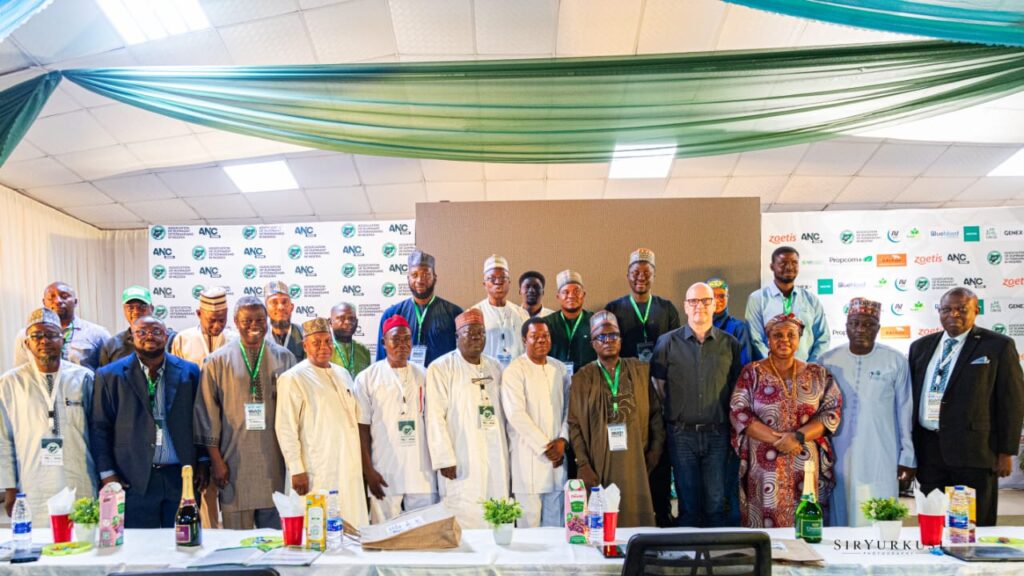
They spoke at the maiden National Conference of the Association of Ruminant Veterinarians in Nigeria, ARUVIN, in Abuja.
They observed that the problems were threatening the productivity of cattle, sheep and goats and limiting the economic benefits Nigeria could gain from its livestock resources.


The conference was themed “Enhancing Ruminant Productivity, Health, Market Systems and Climate Resilience.”
The Chief Veterinary Officer of Nigeria, Dr Samuel A. Anzaky, said the country could not achieve sustainable livestock development without stronger animal health services.
He said diseases, poor nutrition, shortage of feed and water, limited access to veterinary care and climate change were all affecting livestock production.
According to him, the problems are connected and must be tackled together.
“A sick animal does not grow efficiently. Poor nutrition increases susceptibility to disease. Climate stress can increase disease risks and reduce the availability of pasture and water,” Anzaky said.
He identified Peste des Petits Ruminants, PPR, as one of the major threats to sheep and goat production.
Anzaky said the Federal Ministry of Livestock Development was strengthening surveillance and control measures against the disease, including serosurveillance and sero-monitoring across the states.
He said Nigeria must move from simply responding to disease outbreaks to preventing them.
“Our objective is not merely to respond when animals become sick. We must increasingly focus on anticipating disease risks, detecting them early and preventing their spread,” he said.
The veterinary chief called for stronger community surveillance, better laboratories, improved disease reporting, rapid response and sustained vaccination where necessary.
He also urged veterinarians to change the way they work.
Anzaky said veterinary practice should no longer be limited to treating individual sick animals.
Instead, veterinarians should help farmers reduce deaths, improve reproduction, strengthen nutrition, prevent diseases and increase the profitability of their farms.
Professor Abdulkadir Usman Junaidu also called for a new approach to veterinary practice.
Junaidu, who presented the case for establishing ARUVIN, said the changing livestock industry required specialised veterinary services.
He said the association was needed to improve ruminant health, productivity and food safety while helping Nigeria respond to rising demand for animal products.
According to him, veterinarians must become productivity experts who can help farmers improve their earnings.
He identified disease prevention, food safety, antimicrobial resistance, nutrition and animal welfare as key areas for ARUVIN.
He said the association would also promote continuous professional training, mentor young veterinarians and contribute to livestock policy.
The President of the Nigerian Veterinary Medical Association, Dr Moses Arokoyo, said Nigeria should begin to see livestock as an economic asset rather than a problem.
Arokoyo said Nigeria’s challenge was not a shortage of livestock but low productivity, poor animal health and weak access to markets.
He urged greater investment across the livestock value chain to reduce poverty and improve food security.
The NVMA president also encouraged veterinarians to embrace vaccination, digital technology and other innovations that could improve animal health services.
He urged them to learn from successful livestock systems in countries such as Kenya and Botswana and adapt relevant lessons to Nigeria.
Arokoyo said animal health must become a major part of Nigeria’s economic transformation.
Anzaky also warned that climate change was worsening the pressure on livestock farmers.
He said changing weather patterns were affecting pasture, water supplies, heat stress, animal movement and the spread of diseases.
He called for better pasture and fodder systems, improved water management and climate-smart livestock production.
He also urged stakeholders to adopt the One Health approach because animal health is closely linked to human health, food safety, antimicrobial resistance and the environment.
Anzaky said government agencies, veterinarians, universities, researchers, farmers, private practitioners and development partners must work together.
He challenged ARUVIN to go beyond professional networking and provide practical solutions for livestock farmers.
The experts agreed that Nigeria cannot fully unlock the economic value of its livestock sector without improving animal health, nutrition, productivity, climate resilience and market access.
They said the new association provides an opportunity for veterinarians to take a stronger role in transforming the livestock industry and improving the livelihoods of millions of Nigerians who depend on it.