

Close Menu
National Update
    Facebook X (Twitter) Instagram
    Trending
    • HURIWA tells Oyedele to prioritise economic recovery over Tinubu’s re-election bid.
    • APC sweeps all 260 seats as KOSIEC urges elected officials to deliver
    • The Quiet Architect: How a Reformer Taught Institutions to Outlive Applause
    • Politics of Rivalry Threatens Kogi Central’s Proposed Mental Health Facility
    • Karimi, ALGON Chairman Clash Over Local Government Funds
    • Umo Eno Returns to Honour Teacher Nearly 50 Years After Leaving Classroom
    • ActionAid Demands Spending Accountability as 123m Nigerians Face Extreme Poverty
    • Doro: Poverty Is Locking Millions Out of Nigeria’s Economy
    Facebook X (Twitter) Instagram
    National UpdateNational Update
    Subscribe
    • News
    • Politics
    • Opinion
    • Economy
    • Entertainment
    • Health
    • Security
    National Update
    Home»Opinion

    Beyond the Fields: WOFAN’s Investment in Africa’s Agricultural Future

    By National UpdateSeptember 4, 2026 Opinion No Comments4 Mins Read
    Share
    Facebook Twitter WhatsApp LinkedIn Email

    By Lamara Garba

    Agricultural transformation rarely begins with a seed. It begins with an idea, an invitation, or the decision to place ordinary people in extraordinary rooms.

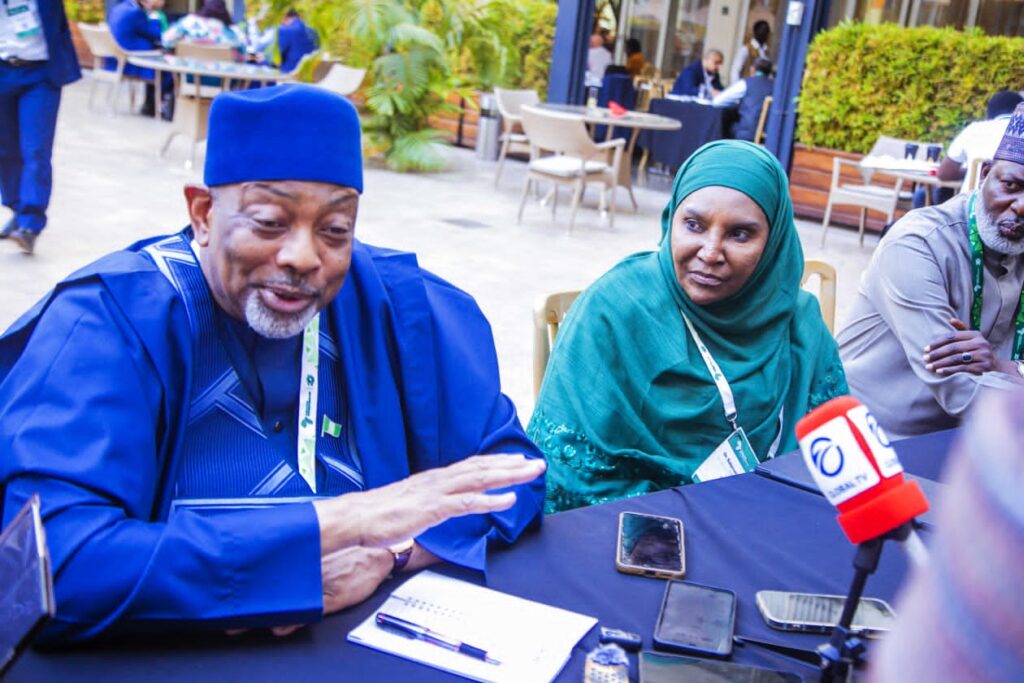
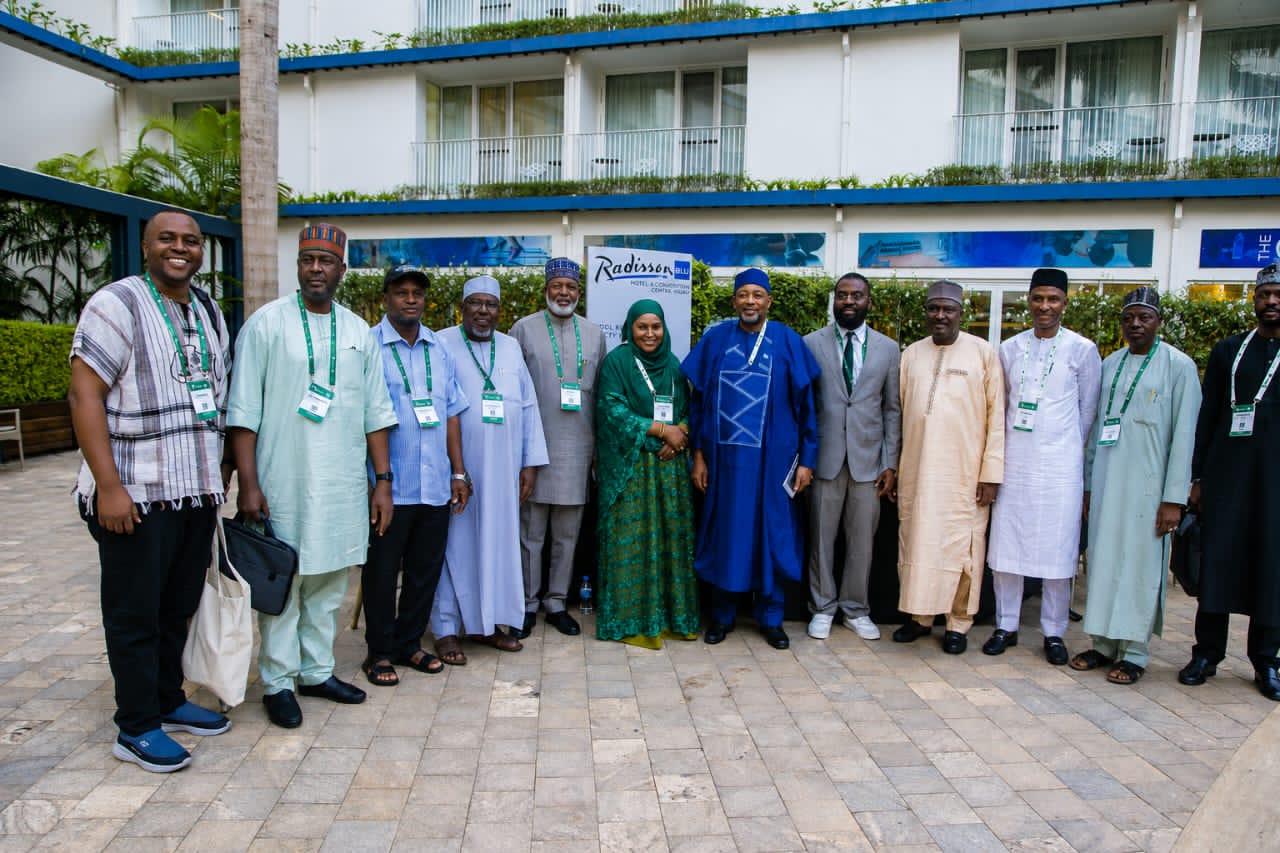
    That is what the Women Farmers Advancement Network, WOFAN, did this week in Kigali.

    As policymakers, investors, researchers and development leaders gathered for the 2026 Africa Food Systems Forum under the theme, “Investing in Africa’s Agri-Food Systems: Nourishing Nations, Growing Jobs, Building Resilience,” WOFAN brought a substantial delegation of the very people those conversations are meant to serve: rural women, young people and grassroots practitioners.

    In a continent where smallholder farmers still produce most of the food, that choice was not ceremonial. It was strategic.
    Exposure is an input. Knowledge is capital. A farmer who has never encountered a working innovation is unlikely to demand it. A young person who has never met an agricultural entrepreneur may continue to see farming as a last resort. A woman excluded from networks and knowledge remains locked out of the prosperity she is capable of creating.

    WOFAN has long understood this.

    It was an investment in people.

    It was an investment in exposure.

    And it was an investment in the capacity of ordinary people to encounter extraordinary ideas and carry them back to the communities where they are needed most.

    For WOFAN, the significance of Kigali was never simply about occupying seats in a conference hall.

    It was about connecting farmers, women, young people and agricultural stakeholders with the ideas, innovations and opportunities shaping the future of Africa’s food systems.

    On September 3, 2026, WOFAN Founder and Global Advocate, Dr Salamatu Garba, took that story to the Innovation Hub. She spoke of more than one million rural women reached across nine Nigerian states: Kano, Katsina, Kaduna, Jigawa, Bauchi, Yobe, Gombe and Nasarawa, as well as the Federal Capital Territory.
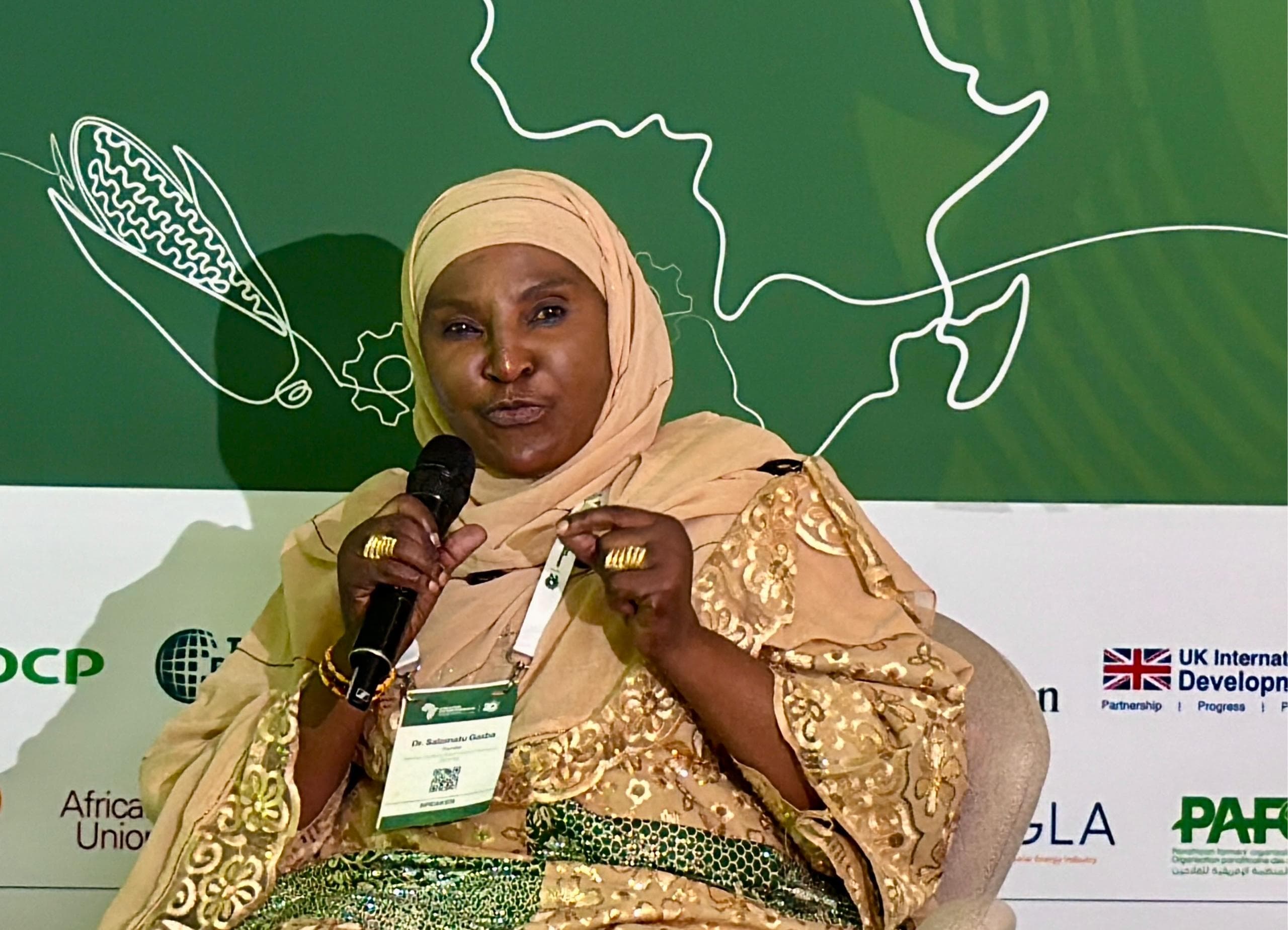
    The numbers matter less than what they represent: technology moving from research stations into daily use; productivity gains that turn subsistence plots into enterprises; better quality produce that opens access to higher value markets; and income that travels beyond the farm gate into families and communities.

    Rwanda’s Prime Minister, Dr Justin Nsengiyumva, reminded the Forum that agriculture is no longer just what happens in the field. It is also about irrigation, logistics, energy, mechanisation, finance, processing and markets.

    WOFAN’s work has always reflected that wider view.

    The organisation does not treat the smallholder as a passive recipient of inputs. It sees her as the foundation of any food system that hopes to nourish nations, create jobs and build resilience.

    There is a useful lesson here. Development is not a finished product that can simply be imported. Models can be studied and technologies borrowed, but the decisive step lies in translating them into local soil and local hands.

    The real value of Kigali is not the conference itself. It is what delegates do when they return: the practices tested, the partnerships formed and the confidence transferred.

    Africa’s agricultural potential is frequently celebrated and just as frequently left unrealised. But potential does not feed people. Organised, financed and skilled people do.

    When a woman farmer succeeds, the impact rarely stops at her plot.

    When young people see agriculture as an enterprise rather than an inheritance, employment follows. When rural communities are connected to knowledge and markets, poverty begins to lose ground.

    This explains why WOFAN’s presence carries weight beyond the size of its delegation.

    Every participant is a potential bridge between global conversation and village practice, between policy and the farm, and between the Africa that exists and the Africa that is still possible.

    Agriculture is not the occupation of those with no other options. It is business. It is industry. It is technology. It is national security.

    And when deliberately supported, it remains one of the most powerful instruments of social and economic transformation available to this continent.

    The panels will disperse and the statements will be issued. But the quieter work will continue.

    One rural woman at a time.

    One community at a time.

    One opportunity carried home.

    That is where the real harvest begins.

    _Lamara Garba is Director of Public Affairs at Bayero University, Kano_

    Previous ArticleICPC Dismisses Officer for Unauthorized Access to El-Rufai’s Wife
    Next Article Tunji-Ojo Gets London Recognition for Service to Nigerians

    Keep Reading

    The Quiet Architect: How a Reformer Taught Institutions to Outlive Applause

    Arsene Wenger Run, Football Needs You

    A Look at Lean Government and Ostentation

    Onnoghen’s Ordeal: How Power Changes Hands, but History Never Forgets

    Eziokwu, Echi Noo Ebea N’Enugu State (2)

    Eziokwu, Echi Noo Ebea Na Enugu State (1)

    Add A Comment

    Comments are closed.

    Advert
    VGC Advert
    Most Viewed Posts
    • Breaking: Intrigues, as ADC suspends its presidential candidate, Kachikwu, accuses him of blackmail (1,817)
      The African Democratic Congress (ADC) has suspended its presidential candidate Dumebi Kachikwu, from the party, accusing him of false, misguided and defamatory video he made and circulated, among other infractions. The party also considered Kachikwu's action as "smacks of crass irresponsibility, gross indiscipline, disingenuous scandalization and blackmail, and completely unfit of someone who wants to
    • Concerned Religious Prayer Forum Responds to Criticism of National Prayer Initiative (1,286)
      The Concerned Religious Prayer Forum has issued a statement clarifying its mission and responding to recent criticisms surrounding its seven-day national prayer initiative. Established as a non-governmental organization on January 9, 2024, the Forum emphasizes that it is an independent group composed of citizens motivated by a shared desire to promote peace, unity, and prosperity
    • Ex-Kogi Gov’s Arraignment Stalled at the instance of EFCC Counsels (1,263)
      The arraignment of the former Governor of Kogi State, Yahaya Bello, on an alleged money laundering case instituted against him by the Economic and Financial Crimes Commission (EFCC), has been adjurned to June 27, by the Federal High Court, in Abuja, based on an agreement by the counsels to the two parties. A new date,
    • North Central Serving Governor withdrew N60 billion cash in six years ― EFCC (1,170)
      A serving Nigerian governor has allegedly withdrawn N60billion from his state’s purse. The Economic and Financial Crimes Commission (EFCC) said that he has lifted about N60 billion cash from state coffers in about his six years in office. The governor remains unnamed and his state, partially identified as domiciling in the North Central of the
    • Qatar Charity Empowers 60 Jigawa Widows, Vulnerable Persons with ₦300m (1,160)
      By Ahmed Rufa’i, Dutse The Qatar Charity Organization has donated economic empowerment equipment valued at over ₦300 million to 60 widows and vulnerable persons across the 27 local government areas of Jigawa State. The items were distributed during a ceremony held at the Banquet Hall of the Government House, Dutse, and presided over by the

    Latest News

    HURIWA tells Oyedele to prioritise economic recovery over Tinubu’s re-election bid.

    October 18, 2026

    APC sweeps all 260 seats as KOSIEC urges elected officials to deliver

    October 18, 2026

    The Quiet Architect: How a Reformer Taught Institutions to Outlive Applause

    October 18, 2026

    Politics of Rivalry Threatens Kogi Central’s Proposed Mental Health Facility

    October 18, 2026

    Karimi, ALGON Chairman Clash Over Local Government Funds

    October 18, 2026

    Subscribe to Updates

    Get the latest creative news from FooBar about art, design and business.

    National Update
    Facebook X (Twitter) Instagram
    © 2026 National Update. Designed by Lamark Cre8ives.

    Type above and press Enter to search. Press Esc to cancel.
