


By Adamu Muhd. Usman
Jigawa State is blessed with enterprising, vibrant and resourceful young people who are contributing to the development of the state in the public sector, business, agriculture, education and politics.
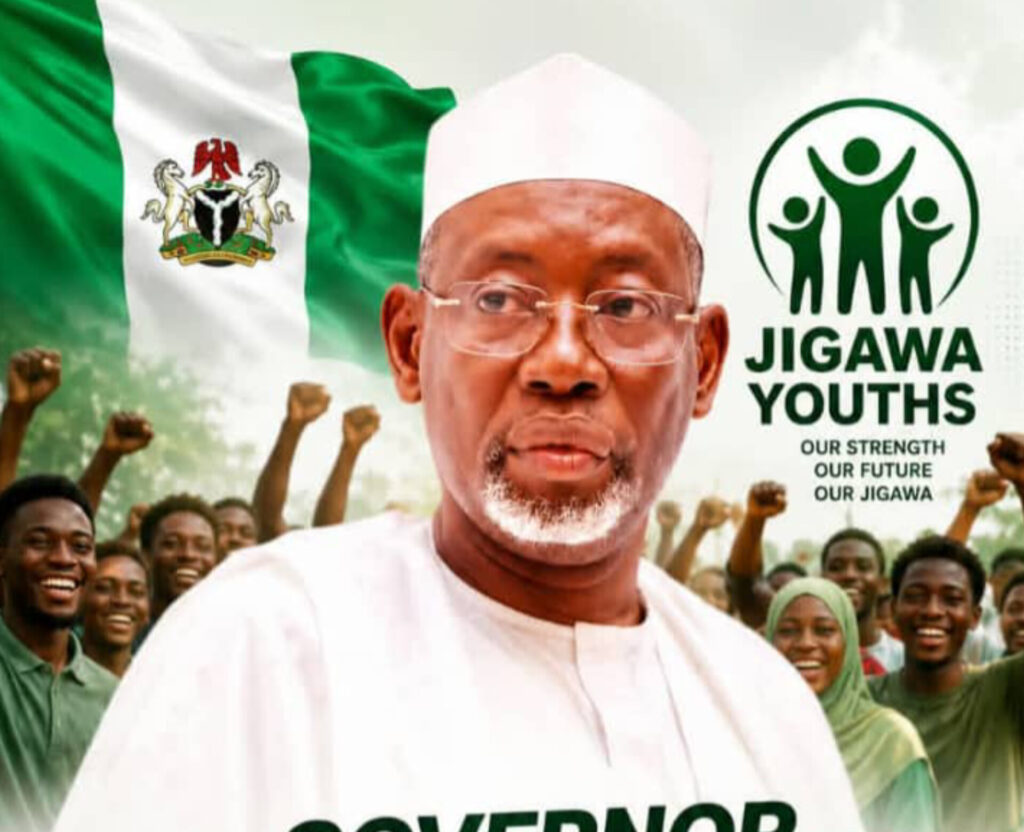
On August 12, the world celebrated International Youth Day, a day set aside to recognise the contributions, aspirations and potential of young people globally. Jigawa youths, therefore, have every reason to celebrate, thank Almighty God and appreciate the efforts of the state government under Governor Umar Namadi, FCA, popularly known as Dan Modi.
In my view, few states have as much reason to reflect on youth development as Jigawa, considering the programmes and initiatives of the Namadi administration aimed at recognising, supporting, empowering, promoting and improving the welfare of young people.
The administration has demonstrated a commitment to addressing some of the challenges confronting youths, particularly unemployment, poverty, lack of opportunities and limited access to education and skills development. This is particularly important at a time when many young Nigerians are struggling to build sustainable livelihoods and, in some cases, losing hope.
According to population projections and available demographic data, Jigawa has a population of several million people, with young people constituting a significant proportion. Engaging this population productively is therefore not merely a political responsibility but an economic necessity.
Every young person deserves a decent life, quality education, accessible healthcare, freedom of expression and opportunities for meaningful employment. Unfortunately, many young Nigerians continue to face unemployment, poverty, inadequate healthcare and limited opportunities for self-development.
In Jigawa, however, there have been several interventions designed to address these challenges. While it would be wrong to suggest that unemployment has been completely eliminated, many young people are being engaged through employment, empowerment and educational opportunities. The remaining challenge is for government to continue expanding these interventions in ways that are sustainable and capable of reaching more youths.
Empowerment remains one important avenue for reducing unemployment and creating economic opportunities. In this regard, the government is making efforts to improve the livelihoods of young people. We can only continue to hope, watch and pray that better opportunities and alternatives will emerge, by the special grace of God.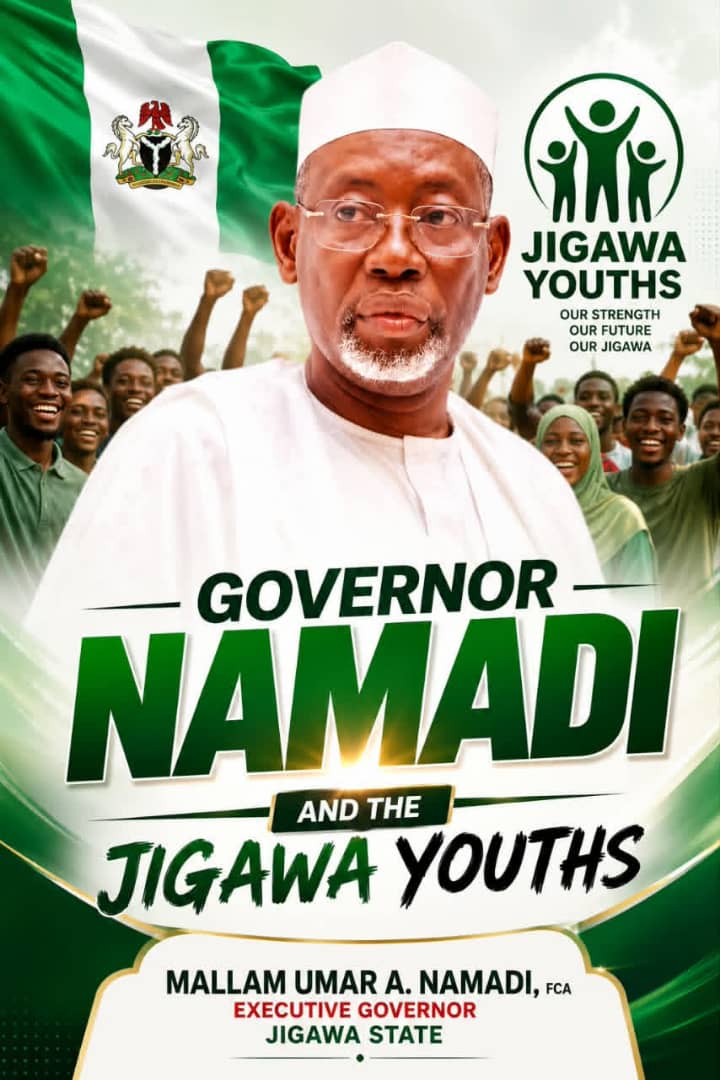
If one argues that a substantial number of Jigawa youths are engaged through employment, empowerment or education, it would be difficult to dismiss the argument, considering the number of young people who have secured permanent and pensionable employment at both state and federal levels.
Programmes such as J-Teach, which focuses on education and teaching personnel; J-Health, which supports the health sector; and J-Agro, which focuses on agriculture, have created opportunities for many young people.
The state has also recruited youths into security-related roles to assist in protecting communities and public facilities, including schools, hospitals and courts across the 27 local government areas.
The youth and women empowerment policy of the Namadi administration is also yielding results in different sectors.
The state government has continued to support and facilitate opportunities for Jigawa youths seeking recruitment into the military, paramilitary organisations and other law-enforcement agencies.
In the same vein, the Jigawa North-East Senator, Amb. Ahmed Abdul-Hamid, popularly known as Chichiyali, has been supporting constituents in accessing recruitment opportunities, including the Nigeria Police Force. In recent months, he has reportedly facilitated opportunities for hundreds of youths.
Similarly, Hon. Makki Abubakar Yelleman has also been supporting youth employment initiatives, particularly during police recruitment exercises. Such efforts complement the broader employment and empowerment agenda of the Namadi administration.
Another remarkable initiative is the provision of free education for female indigenes of Jigawa State, from primary school to PhD level, through state institutions. This represents a significant investment in human capital development and youth empowerment.
The payment of scholarships for Jigawa indigenes studying in tertiary institutions within the state, elsewhere in Nigeria and abroad is another initiative worthy of commendation. Such interventions enable students to pursue their education without being overwhelmed by financial difficulties.
The school-feeding programme in secondary schools is another important intervention. Providing nutritious meals to students contributes to their wellbeing, attendance and concentration in class.
Girls attending boarding schools in Jigawa are also provided with transportation to and from school at the beginning and end of each term, alongside essential items such as school uniforms, mattresses and blankets. Teaching and learning materials are equally provided to support effective education.
The organisation of competitions in education, sports and agriculture, including fishing festivals, provides another avenue for encouraging youth participation, talent development, healthy competition and community engagement.
The provision of free JAMB and NECO registration for eligible secondary school students across the state is also a significant intervention. It reduces the financial burden on families and gives more young people the opportunity to pursue higher education.
All these initiatives demonstrate that youths remain an important component of the development agenda of the Namadi administration.
When young people are neither employed, empowered nor in school, they become economically and socially vulnerable. Prolonged unemployment can contribute to poverty, hunger, crime, drug abuse and other social problems.
Available national statistics have consistently shown that poverty remains a major challenge in Nigeria, with a significant proportion of the population struggling to meet basic needs. This makes investment in young people even more important because the future productivity and prosperity of the country depend heavily on them.
One of the most frustrating aspects of poverty and unemployment in Nigeria is the underutilisation of the country’s abundant human and natural resources. If properly harnessed, these resources can make Nigeria self-sufficient and economically prosperous, not only for itself but for Africa as a whole.
We therefore hope and pray that, under Governor Umar Namadi, farmers in Jigawa State will continue to receive maximum support for crop production, including access to mechanised farming.
There should also be greater support for fishing and livestock production, as these sectors have the potential to create employment, strengthen food security and help reduce conflicts between farmers and herders.
At the federal level, the APC-led government under President Bola Ahmed Tinubu should intensify efforts to revive moribund industries, particularly textile and manufacturing industries in Kano, Kaduna and other industrial centres that once provided employment for millions of Nigerians.
Reviving these industries would create significant opportunities for young people ahead of the 2027 elections and beyond.
The revival of the production and export of agricultural commodities such as groundnuts, cotton and cocoa, which historically contributed significantly to Nigeria’s economy, should also be revisited.
In Jigawa, agricultural production in areas such as rice, wheat, hibiscus, sesame, onions, beans and other crops should be further supported through government incentives, access to inputs, mechanisation, markets and financing.
The present situation, in which many young people remain without employment or sustainable livelihoods, creates an environment that criminal elements can exploit to recruit them into destructive activities.
Many of the security challenges confronting Nigeria involve young people who have been drawn into criminal networks because of unemployment, poverty, frustration or lack of opportunities.
This is why addressing youth unemployment must remain a priority across the country, both in the North and the South.
We hope to see fewer youths on the streets without opportunities and more young people in schools, businesses, farms, vocational centres and decent employment.
But the responsibility does not rest entirely with government.
Jigawa youths must also aspire to become responsible citizens and future leaders. We must say no to drug abuse, fraud, corruption and other social vices. We must reject militancy, laziness, political thuggery and irresponsible or harmful use of social media.
We must be law-abiding, committed and determined to become great leaders of tomorrow.
If young people continue to die from frustration, deprivation and neglect, who will take over the mantle of leadership of Jigawa State and Nigeria?
Young people must also understand that youth is one of the most critical stages of life. It is a period when a person is energetic, ambitious and full of vigour.
It is also a period that can determine the direction of the remaining years of one’s life. When young people use this period wisely—by pursuing education, acquiring skills, working hard, developing themselves and contributing positively to society—they can build meaningful lives for themselves, their families, communities and humanity.
That is the Jigawa of my dreams: a state where its young people are educated, empowered, employed, productive and prepared to take over the mantle of leadership.
May Almighty God continue to help us, guide us aright and give our leaders the wisdom and strength to build a better future for our youths.
Adamu writes from Kafin-Hausa, Jigawa State.