

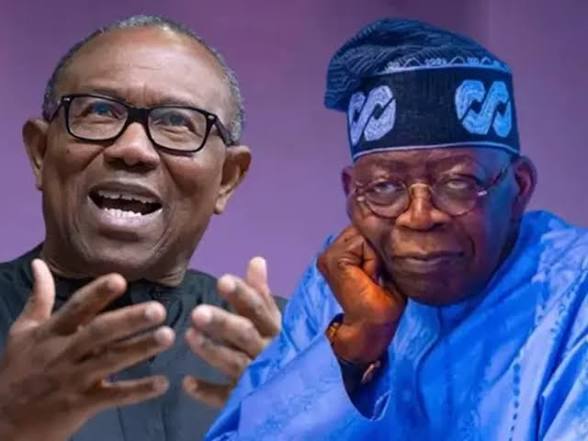

The Peter Obi Media Office has pushed back against the Presidency’s response to the former presidential candidate’s call on President Bola Ahmed Tinubu to consider resigning over worsening economic conditions, insisting that the issue at stake is leadership accountability rather than politics.
In a statement issued Tuesday and signed by its spokesman, Idris Zekeri Jnr, the office accused the Presidency of sidestepping the central concerns raised by Obi and focusing instead on constitutional arguments and political attacks.
According to the statement, Obi’s comments were driven by concerns over rising poverty, economic hardship, insecurity, and what it described as the declining quality of life of millions of Nigerians.
The media office argued that the Presidency failed to engage with those concerns, choosing instead to debate whether resignation is compatible with Nigeria’s presidential system of government.
It maintained that Obi’s position was informed by the principle that leaders should accept responsibility for outcomes under their watch, pointing to examples from established democracies where public officials stepped down after failing to meet public expectations.
The statement noted that former leaders in countries operating presidential systems, including the United States, Brazil, Peru and Argentina, had resigned under varying circumstances, arguing that accountability is not exclusive to parliamentary democracies.
The office also recalled that President Tinubu, while in opposition, publicly called on former President Goodluck Jonathan to resign during periods of national crisis, despite Nigeria operating under the same presidential system.
“The issue is not about the type of government Nigeria practices but about the responsibility that comes with leadership,” the statement said.
The Obi media team further contended that despite official claims of economic progress, many Nigerians continue to grapple with rising living costs, shrinking purchasing power, unemployment and business closures.
It argued that government claims of GDP growth, increased revenues and stock market gains would carry greater meaning if they translated into tangible improvements in the lives of ordinary citizens.
“A government must ultimately be judged by the impact of its policies on the welfare of its people,” the statement stated.
On security, the office acknowledged reported gains by security agencies but maintained that kidnapping, banditry and violent attacks remain widespread across the country, leaving many citizens feeling unsafe.
The statement also rejected criticisms of Obi’s record as governor of Anambra State, insisting that his administration recorded measurable progress in education, healthcare, infrastructure and fiscal management.
Beyond the economy and security, the media office expressed concern over the conduct of recent elections, arguing that democratic processes should inspire confidence and reflect the genuine will of the electorate.
It also questioned what it described as a mismatch in national priorities, citing the disparity between allocations for primary healthcare and election-related expenditures.
The office said Obi’s remarks were intended to encourage a culture of responsibility in public service and draw attention to what it considers the urgent challenges confronting the nation.
It urged the Federal Government to concentrate on tackling insecurity, poverty, unemployment, declining productivity and other pressing socio-economic concerns rather than engaging in political exchanges.
The statement concluded that accountability remains a defining feature of effective leadership and called for renewed commitment to policies capable of improving the lives of Nigerians.
According to the media office, the country’s future depends not on political rhetoric but on leadership that is responsive to the needs and aspirations of its citizens.