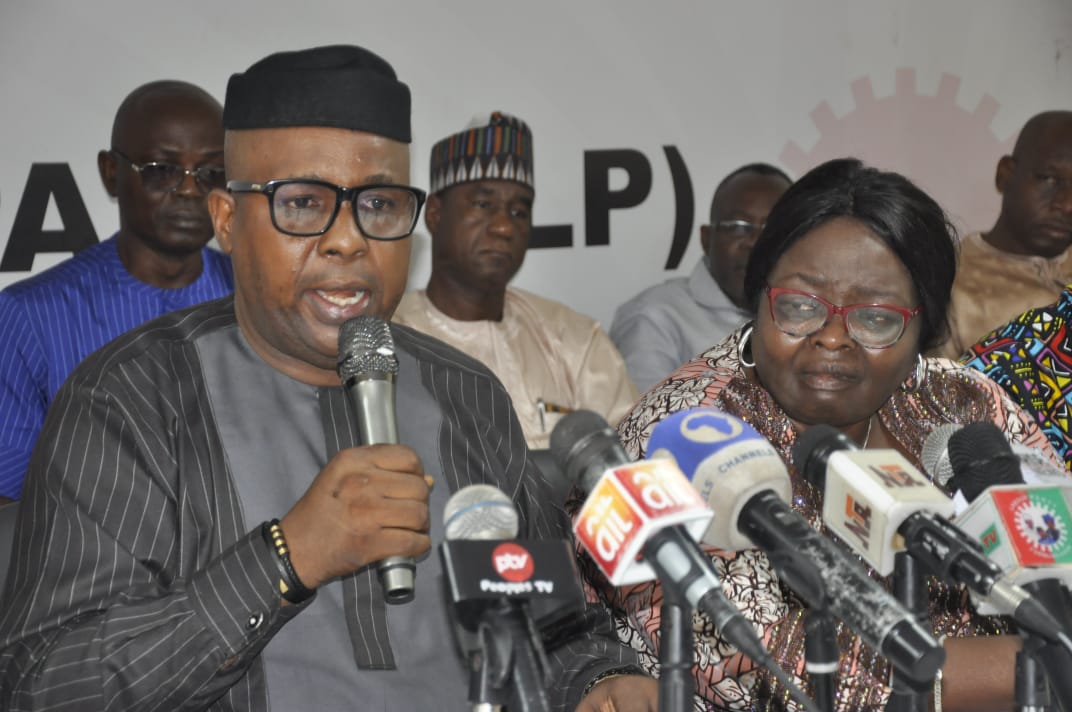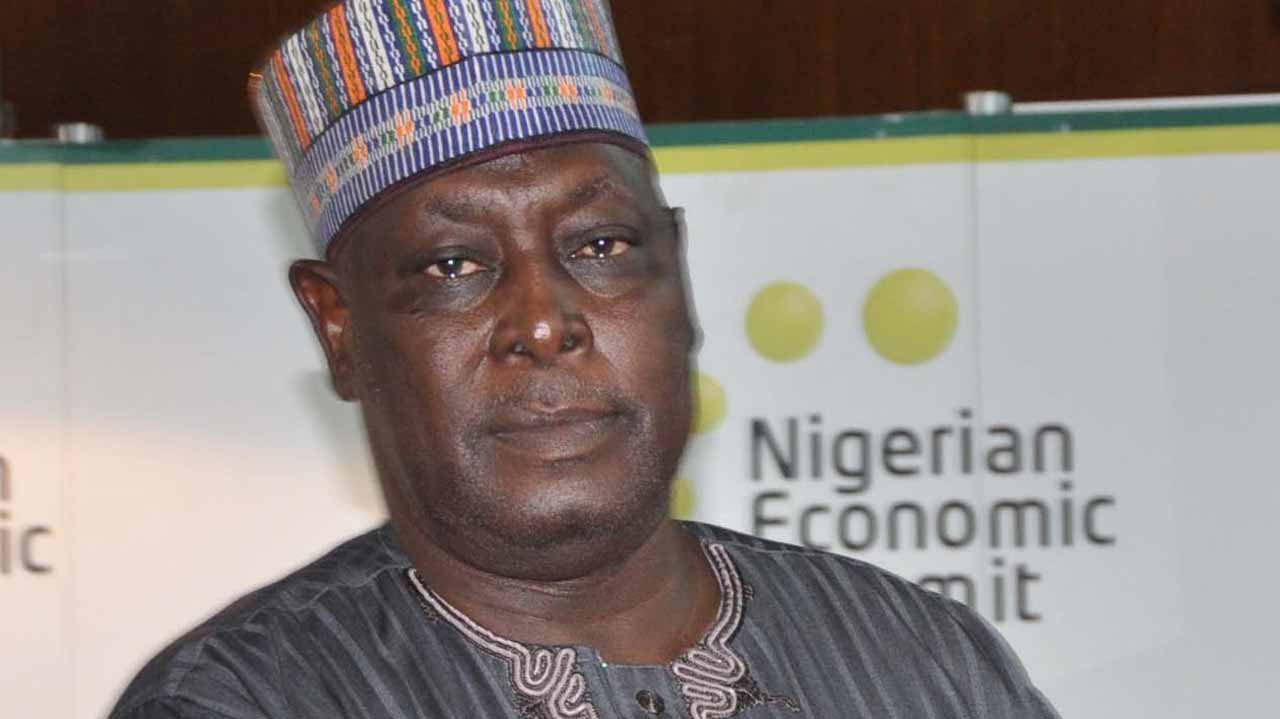
Following renewed xenophobic violence in South Africa targeting foreign-owned businesses, Nigerian engineer and public commentator, Engr. Obi Njoku, has called for urgent national reflection, stronger government action, and renewed commitment to building a more resilient Nigeria.
In a statement issued on Wednesday, Njoku expressed solidarity with Nigerians affected by the attacks, describing the destruction of their businesses and displacement of families as “deeply painful and unacceptable.”
He noted that many of the victims were hardworking citizens who spent years building livelihoods abroad, only to have their investments destroyed in sudden outbreaks of violence.
Njoku urged the Nigerian government to move beyond diplomatic statements and adopt more decisive measures to protect citizens abroad.
He stressed that the protection of citizens is a core responsibility of any government, adding that Nigeria must strengthen its diplomatic engagement and consular response systems in countries where Nigerians face recurring threats.
He also called for structured support for Nigerians willing to return home, as well as diplomatic efforts to seek accountability and compensation for losses suffered in the attacks.
The statement also highlighted what he described as the “fragility of survival abroad,” warning that long-term investments in foreign countries can be wiped out in moments of unrest.
According to him, recurring incidents of xenophobia across parts of South Africa should serve as a wake-up call for Nigerians to rethink overdependence on migration as an economic strategy.
Njoku argued that Nigeria must prioritize fixing internal challenges such as insecurity, unemployment, and infrastructure deficits in order to reduce the pressure driving citizens to seek opportunities abroad.
He maintained that a stable and productive Nigeria would reduce vulnerability and restore dignity to citizens both at home and in the diaspora.
He further urged Nigerians living abroad to remain actively engaged in national development by investing in local opportunities, supporting credible leadership, and strengthening community solidarity.
“Home remains the most reliable shield,” the statement concluded, emphasizing that Nigeria must become a country people run to—not away from.
Obi Njoku urges stronger Nigeria after South Africa xenophobic attacks