Nigeria’s foreign policy posture is under renewed scrutiny after the Human Rights Writers Association of Nigeria warned that continued attacks on Nigerians in South Africa could force a major diplomatic shift with far-reaching consequences.
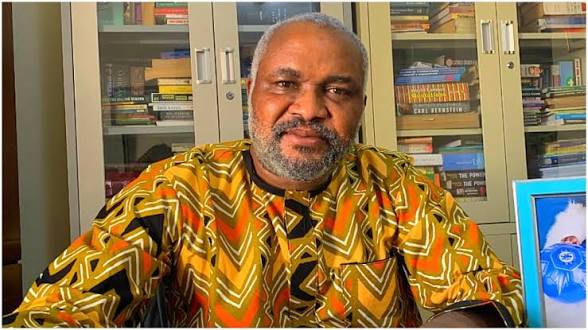
In a strongly worded statement, the national Coordinator of rights group, Comrade Emmanuel Onwubikosaid the reported deaths of two Nigerians—Amaramiro Emmanuel and Ekpenyong Andrew—highlight deeper cracks in both regional relations and Nigeria’s ability to safeguard its citizens beyond its borders.
According to HURIWA, the incidents—allegedly involving South African security operatives—fit into a broader pattern of xenophobic hostility that has persisted despite repeated diplomatic engagements between Nigeria and South Africa.
Rather than framing the issue solely as isolated tragedies, the group presented it as a test of Nigeria’s diplomatic doctrine, questioning whether the country’s longstanding Afrocentric approach still serves its national interest.
At the heart of HURIWA’s intervention is a call for a recalibration of Nigeria’s foreign policy—one anchored on reciprocity rather than historical solidarity.
The group argued that while Nigeria has traditionally championed African unity, such commitments must now be balanced with the responsibility to protect its citizens abroad.
It warned that failure to act decisively could weaken public confidence in government institutions and embolden further attacks.
HURIWA urged the Federal Government to take immediate steps, including summoning South Africa’s envoy and demanding concrete, time-bound actions to address the killings.
Beyond immediate engagement, it suggested that Nigeria may need to reassess its bilateral relations if the pattern of violence continues without accountability.
The group’s position introduces a sharper tone into Nigeria’s diplomatic conversation—one that prioritises national interest and citizen safety over cautious engagement.
The statement also turned attention inward, raising concerns about the effectiveness of agencies tasked with protecting Nigerians in the diaspora, particularly the Nigerians in Diaspora Commission.
HURIWA called for structural reforms and merit-based leadership, arguing that stronger institutions are essential for proactive engagement and crisis response.
Beyond diplomacy, the group warned that persistent stereotyping of Nigerians as criminals risks deepening social tensions and undermining trust between African nations.
It stressed that unchecked xenophobia not only endangers lives but also threatens the broader vision of regional integration and cooperation.
As Nigeria weighs its next steps, the situation presents a broader dilemma: how to assertively defend its citizens while maintaining strategic regional ties.
For HURIWA, however, the message is clear—protection of Nigerian lives must take precedence, and the current moment demands not just statements, but decisive and measurable action.
With tensions rising and public attention sharpening, the unfolding response could redefine Nigeria’s diplomatic approach in Africa for years to come.
HURIWA demands action as killings test Nigeria–South Africa ties