As Nigeria joins the global community to mark World Veterinary Day 2026, the country’s Veterinary profession has called for urgent reforms, stronger investment, and greater recognition of a sector it describes as critical to national survival.
*Under the global theme “Veterinarians: Guardians of Food and Health,”* the Nigerian Veterinary Medical Association (NVMA) warned that Nigeria’s food systems, public health security, and environmental stability are increasingly at risk due to persistent underfunding, weak institutional structures and limited policy implementation.
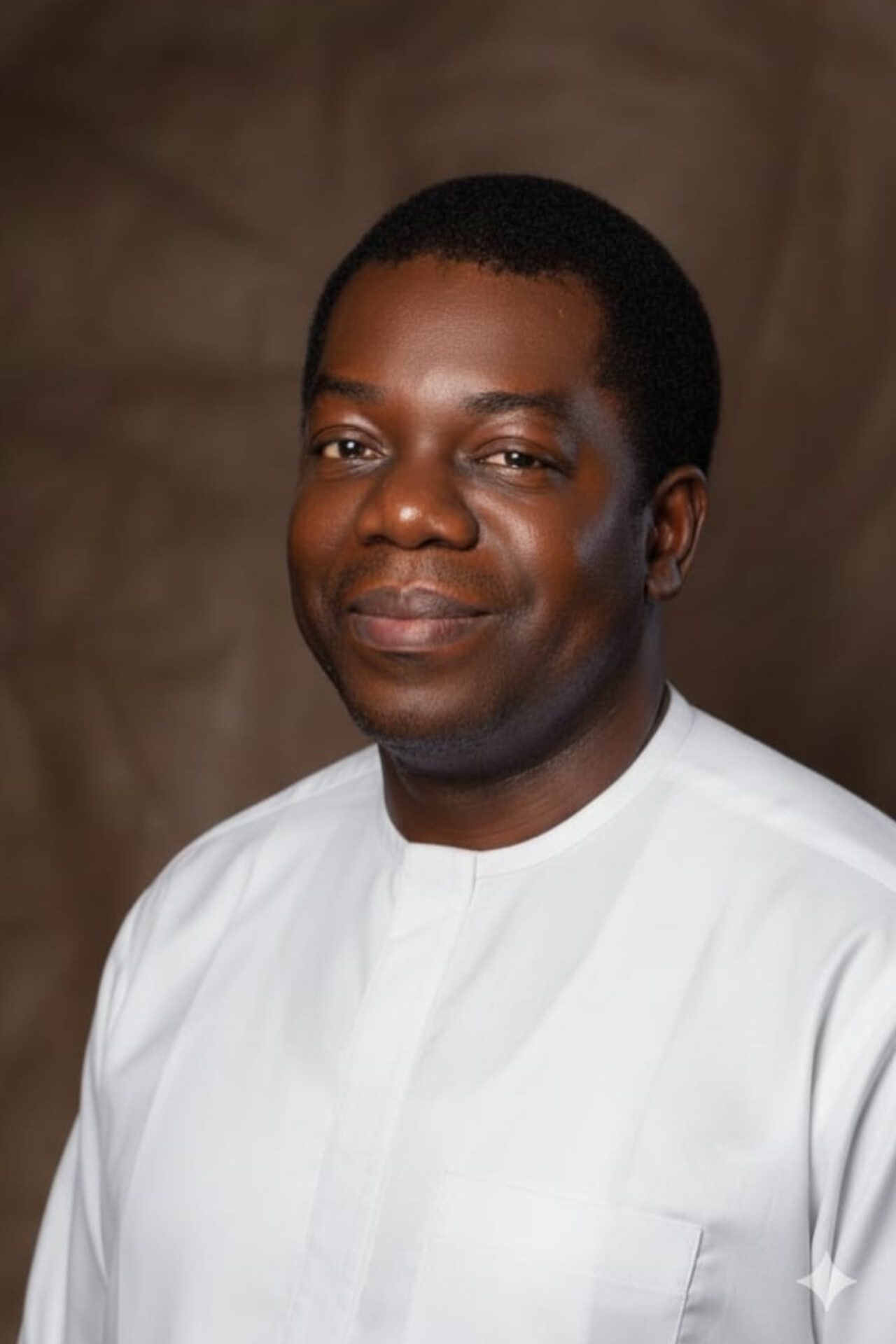
In a statement issued by NVMA national President, Dr Moses Arokoyo, he described Veterinarians as the backbone of food safety and disease prevention operating in an increasingly complex global health environment.
The association said veterinary professionals play a central role across Nigeria’s entire food value chain, from livestock production and disease prevention to abattoir inspection, laboratory diagnostics, surveillance systems to policy advisory functions. Despite this broad responsibility, the NVMA lamented that their contributions remain largely underestimated and often underrepresented in national planning.
“From farm to fork, from laboratory to legislation, the veterinary profession underpins the safety, security and sustainability of food systems while standing as the first line of defence against zoonotic disease threats,” the statement said.
The association warned that climate change, antimicrobial resistance, and emerging infectious diseases have blurred traditional boundaries between animal, human and environmental health, making veterinary services more essential than ever.
According to the NVMA President, Dr Arokoyo, the world is now firmly operating within a One Health framework, as diseases can move rapidly between animals and humans with environmental factors accelerating transmission.
He said Veterinarians are increasingly central to outbreak containment, food safety assurance, vaccination programmes, and surveillance systems designed to prevent pandemics before they emerge.
This shift, he noted, makes Veterinary Medicine not a supporting function but a core pillar of national health security.
A key concern raised by the NVMA President is the absence of structured data to capture the livestock economic potential hence pleaded for the long overdue livestock census. He also said that other interventions like outbreak containment, meat inspection outcomes and vaccination successes remain undocumented hence weakening the profession’s visibility in policy and funding decisions.
“If it wasn’t measured, it didn’t happen,” he said urging practitioners to adopt stronger documentation practices. Surveillance and reporting should not be viewed as mere bureaucratic requirements, but rather as a vital form of advocacy that demonstrates impact and strengthens the case for sustained national investment in animal health and public health systems.
He also highlighted persistent fragmentation across Nigeria’s health and food systems, warning that siloed operations reduce the country’s ability to respond effectively to crises calling for stronger integration of Veterinary Services into One Health coordination platforms; state and national emergency operations centres and policy development frameworks, arguing that effective public health security and food safety depend on coordinated action across all levels of governance and interdisciplinary collaboration.
“Together everyone achieves more,” the statement said, emphasising the need for inter-agency collaboration in managing modern health threats.
The Association acknowledged emerging technologies reshaping veterinary practice, including digital disease reporting, portable diagnostic tools, genomic epidemiology and telemedicine for rural outreach.
However, He warned that innovation must be matched with ethical discipline and strong regulation raising concerns over rising cases of quackery and improper use of veterinary drugs particularly antibiotics which he said could worsen antimicrobial resistance threatening both animal and human health.
This calls for stricter regulation, professional accountability and stronger mentorship for young veterinarians.
Despite its strategic importance, the NVMA President said the Veterinary Sector continues to suffer from structural neglect calling for the full implementation of the National Veterinary Policy, adequate staffing of veterinary departments at both state and local government levels and sustainable funding for critical interventions, including routine vaccination programmes, abattoir rehabilitation, and antimicrobial resistance surveillance, warning that failure to address these gaps would continue to expose the country to preventable disease outbreaks, food security risks and grave economic losses.
Dr Arokoyo further stressed that veterinarians also play a critical but often unrecognised role in safeguarding Nigeria’s stability; from rural clinics and farms to laboratories and abattoirs, they work daily to ensure food safety, animal health and public protection.
His appealed to the Federal Government to give the Veterinary Profession the needed attention in recruiting more Veterinarians so that their gatekeeping function between human and animal health is not breached. “employ us to safeguard Nigerians, employ us to do our job, shared environment is shared risks” he said.
As World Veterinary Day 2026 is observed globally, the NVMA President said the occasion must go beyond celebration and serve as a moment of national reflection.
He called for renewed commitment to strengthening veterinary systems as a core pillar of public health and economic resilience. He concluded saying that Veterinarians are not merely animal health professionals but essential guardians of food systems, public health, and environmental stability.
In a world facing rising health uncertainties, He warned that continued neglect of the sector would come at a significant cost.
“Let today be more than a commemoration,” the statement said. “Let it be a recommitment to excellence, to One Health, and to the people and animals we serve.”