The Human Rights Writers Association of Nigeria (HURIWA) has raised alarm over what it describes as a “dangerous escalation of insecurity” across Nigeria, warning that the country is edging closer to a situation where the authority of the state is being openly challenged by armed non-state actors.
HURIWA’s concern follows the latest video released by Boko Haram, in which the group issued a 72-hour ultimatum over 416 abducted women and children in Borno State, daring the Nigerian government to attempt a rescue operation. The group’s message, according to HURIWA, is not just a criminal act but a symbolic assertion of territorial control that questions the sovereignty of the Nigerian state.
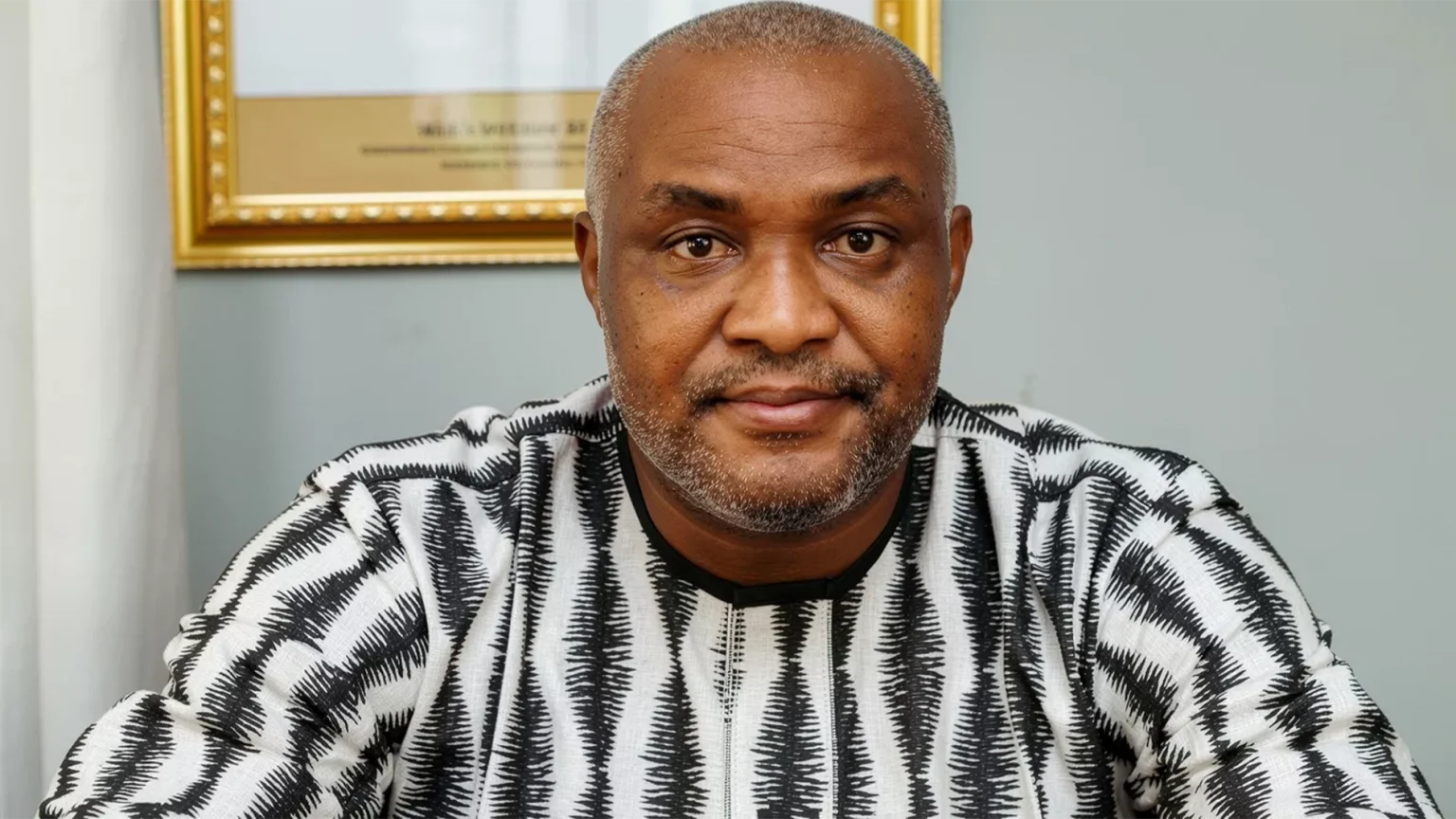
In a strongly worded reaction National Coordinator of HURIWA, Comrade Emmanuel Onwubiko said the development reflects a “disturbing imbalance” in the nation’s security architecture, where terrorist groups now appear emboldened enough to dictate terms while citizens remain unprotected.
The rights group also cited a series of recent violent incidents, including the deadly attack on a GUO Transport bus along the Ore–Benin expressway, where armed assailants killed the driver and abducted multiple passengers.
It described Nigeria’s highways as “unprotected death corridors” where criminal groups operate with near impunity.
HURIWA further referenced renewed killings in Plateau State, particularly in Riyom and Barkin Ladi Local Government Areas, where coordinated night attacks have left several civilians dead and communities in fear of further assaults. The group also expressed concern over reports of attacks on military formations in parts of the country, which have resulted in casualties among security personnel.
According to HURIWA, these incidents collectively point to a “systemic failure of intelligence coordination, response capacity, and political will” to decisively end the worsening security crisis.
The organisation questioned the effectiveness of the current security framework under President Bola Ahmed Tinubu, stating that the persistence of mass abductions, rural massacres, and highway kidnappings reflects a growing disconnect between government assurances and ground realities.
HURIWA warned that Nigeria risks normalising a dangerous pattern where violent groups operate freely while citizens adapt to fear as a way of life. It stressed that this trajectory, if unchecked, could further weaken public confidence in the state and embolden criminal networks.
The group called for an urgent national security reset, including strengthened intelligence coordination, improved protection of highways and rural communities, and greater accountability within the security leadership structure.
HURIWA also urged authorities to treat the current wave of insecurity as an emergency requiring “extraordinary, coordinated, and transparent action,” rather than routine security responses.
It concluded that the protection of citizens is the most fundamental responsibility of any government, warning that failure in this duty risks pushing Nigeria further into instability and loss of public trust.
HURIWA warns Nigeria faces state failure amid rising security crisis