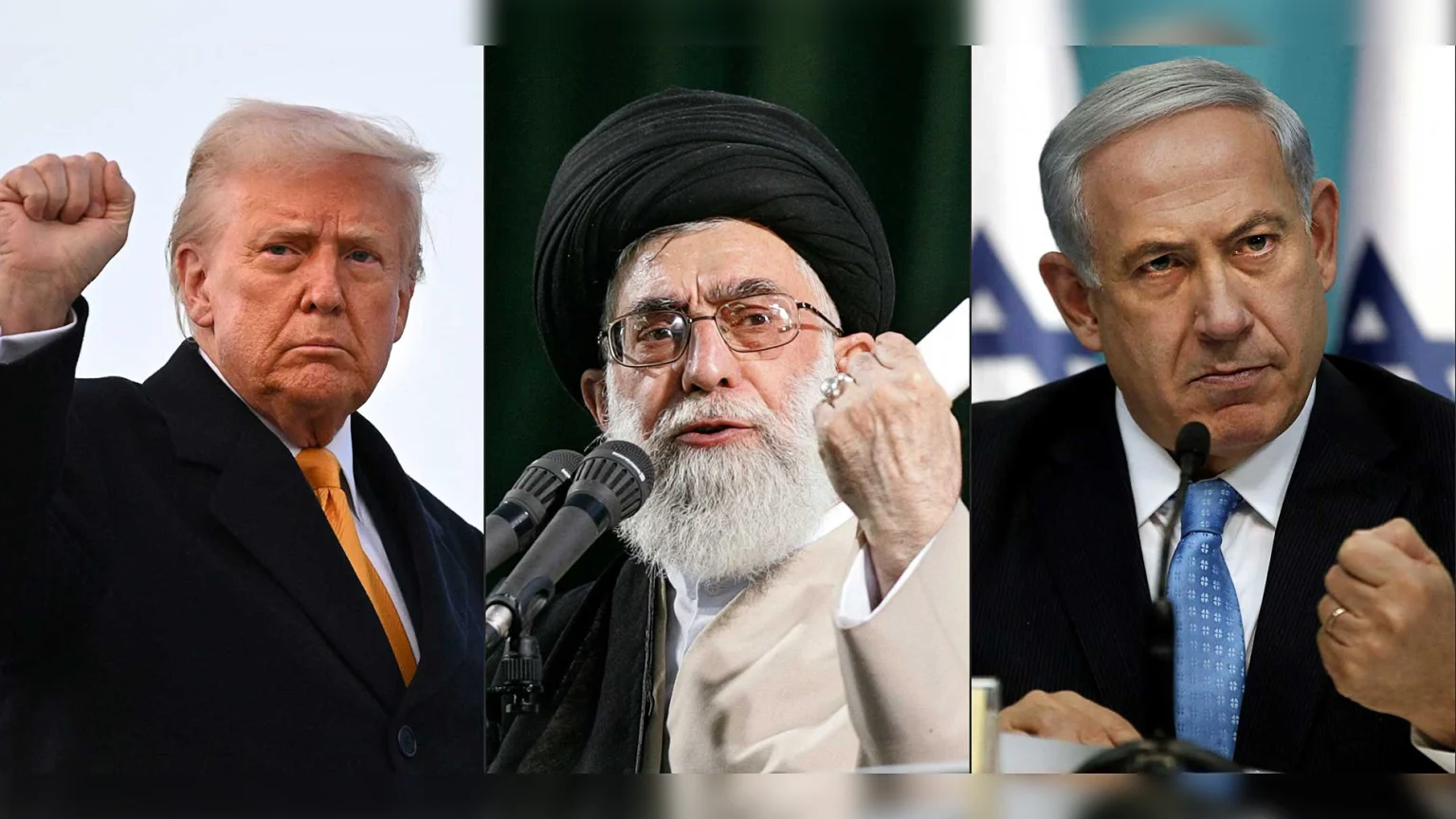
Global markets are on high alert as escalating tensions in the Middle East, following US and Israeli strikes in Iran and the death of Supreme Leader Ayatollah Ali Khamenei, fuel fears of a major supply disruption.
Crude oil prices are now rallying toward $100–$150 per barrel, triggering jitters across energy, shipping, and financial sectors worldwide.
For Nigeria, Africa’s largest crude exporter, the spike could translate into an additional $1.3 billion in revenue this month.
But the windfall comes with trade-offs: domestic fuel prices could surge to around ₦1,200 per litre, and inflationary pressures may intensify under the country’s fully deregulated petroleum market.
Shipping routes through the Persian Gulf are already affected, with more than 150 oil tankers stranded near the Strait of Hormuz. Several international carriers, including Emirates, Qatar, and Turkish Airlines, have suspended flights to Nigeria, while manufacturers and traders face delayed shipments, raising costs and stretching supply chains.
Experts warn that while higher oil prices could strengthen Nigeria’s fiscal receipts and foreign exchange inflows, households and businesses may bear the brunt of rising energy and transport costs. Stock markets, too, are expected to react sharply to uncertainty, with possible capital flight from emerging economies.
Domestically, security concerns are mounting. Protests by the Islamic Movement in Nigeria (IMN) in northern states highlight potential spillover effects of the Middle East conflict. Analysts caution that prolonged instability could strain Nigeria’s economy and social cohesion, even as exporters temporarily benefit.
Economists urge the government to manage any oil windfall prudently, save excess revenue, and prepare for volatility in global markets. They note that while Nigeria could gain from higher crude prices, the broader economic impact of the conflict—rising inflation, disrupted trade, and global uncertainty—could outweigh short-term gains.
Global markets are on high alert as escalating tensions in the Middle East, following US and Israeli strikes in Iran and the death of Supreme Leader Ayatollah Ali Khamenei, fuel fears of a major supply disruption.
Crude oil prices are now rallying toward $100–$150 per barrel, triggering jitters across energy, shipping, and financial sectors worldwide.
For Nigeria, Africa’s largest crude exporter, the spike could translate into an additional $1.3 billion in revenue this month.
But the windfall comes with trade-offs: domestic fuel prices could surge to around ₦1,200 per litre, and inflationary pressures may intensify under the country’s fully deregulated petroleum market.
Shipping routes through the Persian Gulf are already affected, with more than 150 oil tankers stranded near the Strait of Hormuz. Several international carriers, including Emirates, Qatar, and Turkish Airlines, have suspended flights to Nigeria, while manufacturers and traders face delayed shipments, raising costs and stretching supply chains.
Experts warn that while higher oil prices could strengthen Nigeria’s fiscal receipts and foreign exchange inflows, households and businesses may bear the brunt of rising energy and transport costs. Stock markets, too, are expected to react sharply to uncertainty, with possible capital flight from emerging economies.
Domestically, security concerns are mounting. Protests by the Islamic Movement in Nigeria (IMN) in northern states highlight potential spillover effects of the Middle East conflict. Analysts caution that prolonged instability could strain Nigeria’s economy and social cohesion, even as exporters temporarily benefit.
Economists urge the government to manage any oil windfall prudently, save excess revenue, and prepare for volatility in global markets. They note that while Nigeria could gain from higher crude prices, the broader economic impact of the conflict—rising inflation, disrupted trade, and global uncertainty—could outweigh short-term gains.