***Akpabio: ₦10 Per Litre No Longer Realistic
**Finance Ministry, Manufacturers Raise Concerns
Nigeria’s efforts to curb rising noncommunicable diseases (NCDs) received a major boost on Thursday as the Minister of Health and Social Welfare, Prof. Ali Pate, civil society groups, medical experts and advocacy coalitions urged the Senate to strengthen the Sugar-Sweetened Beverage (SSB) tax.
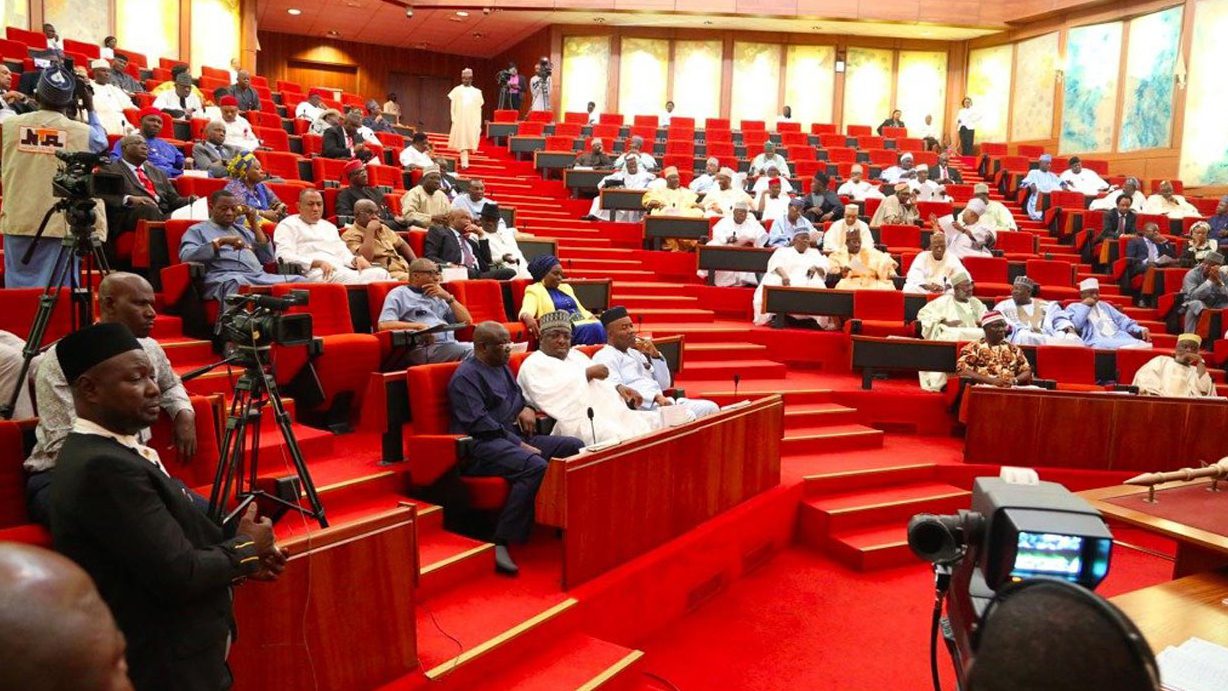
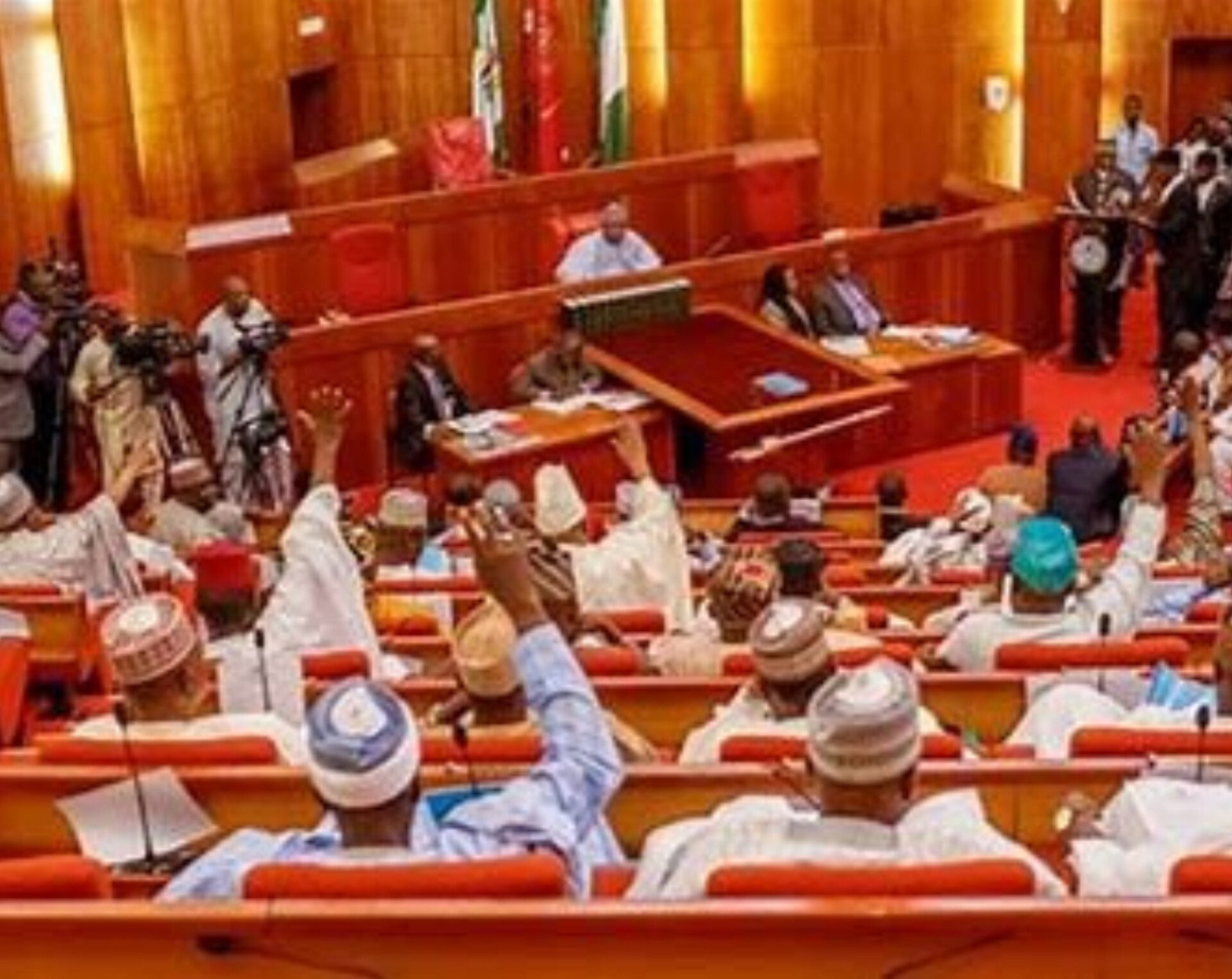
Speaking at a public hearing organised by the Senate Joint Committee on Finance, Customs and Excise, stakeholders pushed for replacing the current flat ₦10-per-litre tax with a percentage-based (ad valorem) levy and for legally earmarking part of the proceeds for public health programmes.

The hearing reviewed a bill by Senator Ipalibo Harry Banigo seeking an amendment to Section 21(3) of the Customs and Excise Tariff Act to make the SSB tax more effective.
Representing Senate President Godswill Akpabio, Senator Adeniyi Adegbonmire (SAN) said the amendment aligns with global best practices and is urgently needed.
“This is not merely a fiscal proposal; it is a public health investment strategy,” he said. “The current ₦10 per litre excise is no longer realistic—not with today’s naira value, and certainly not with the rising cost of managing health conditions linked to sugary drinks.”
Prof. Pate told the lawmakers that Nigeria faces a growing “public health crisis,” with diabetes, hypertension, obesity and heart disease now among the top causes of death.
He argued that the tax introduced in 2021—when a bottle of soft drink averaged ₦150—has been severely eroded by inflation and no longer reduces consumption.
The minister recommended raising the tax to at least 20 percent of retail price and dedicating at least 40 percent of revenue to public health interventions.
“This is in the interest of 230 million Nigerians,” he said, adding that a stronger SSB tax would help build sustainable health financing and fast-track progress toward universal health coverage, citing the Philippines as a model.
Civil society groups pressed for even stronger measures. Corporate Accountability and Public Participation Africa (CAPPA) proposed a 50 percent retail-price levy, with a minimum threshold of 20 percent.
CAPPA Executive Director, Akinbode Oluwafemi, said stronger taxation and strict earmarking are necessary to drive down consumption and ensure accountability.
Also supporting the reform were CISLAC, the Nigerian Cancer Society, Diabetes Society of Nigeria, the National SSB Tax Coalition, Healthy Food Policy Vanguard, Nigerian Tobacco Control Alliance, and academics from Redeemer’s University.
Vice President of the Diabetes Society of Nigeria, Dr. Mansur Ramalan, warned that diabetes prevalence has reached 7 percent nationwide. He dismissed fears that higher taxation would reduce government revenue, predicting instead that revenue could “increase by 200 percent.”
But the Ministry of Finance urged caution.
Represented by Director of Technical Services, Bashir Abdulkadir, the ministry argued that only the President has the power to vary excise rates under Section 13 of the Act. He stressed the need for fiscal flexibility, revealing that a broader tax review covering SSBs and alcoholic beverages is already underway.
The Manufacturers Association of Nigeria (MAN), represented by Adeyemi Folorunsho, warned that higher taxes could lead to job losses and insisted there is insufficient evidence linking sugary drinks to Nigeria’s diabetes and obesity rates.
Responding, Chair of the Joint Committee, Senator Sani Musa, reassured stakeholders that the National Assembly has full constitutional authority to amend the law. He said the committee would evaluate all submissions objectively and produce a report that reflects fairness and the broader national interest.
“All submissions will be critically examined,” Musa said, noting that the final recommendations to the Senate would capture the public health and economic significance of the issue.