
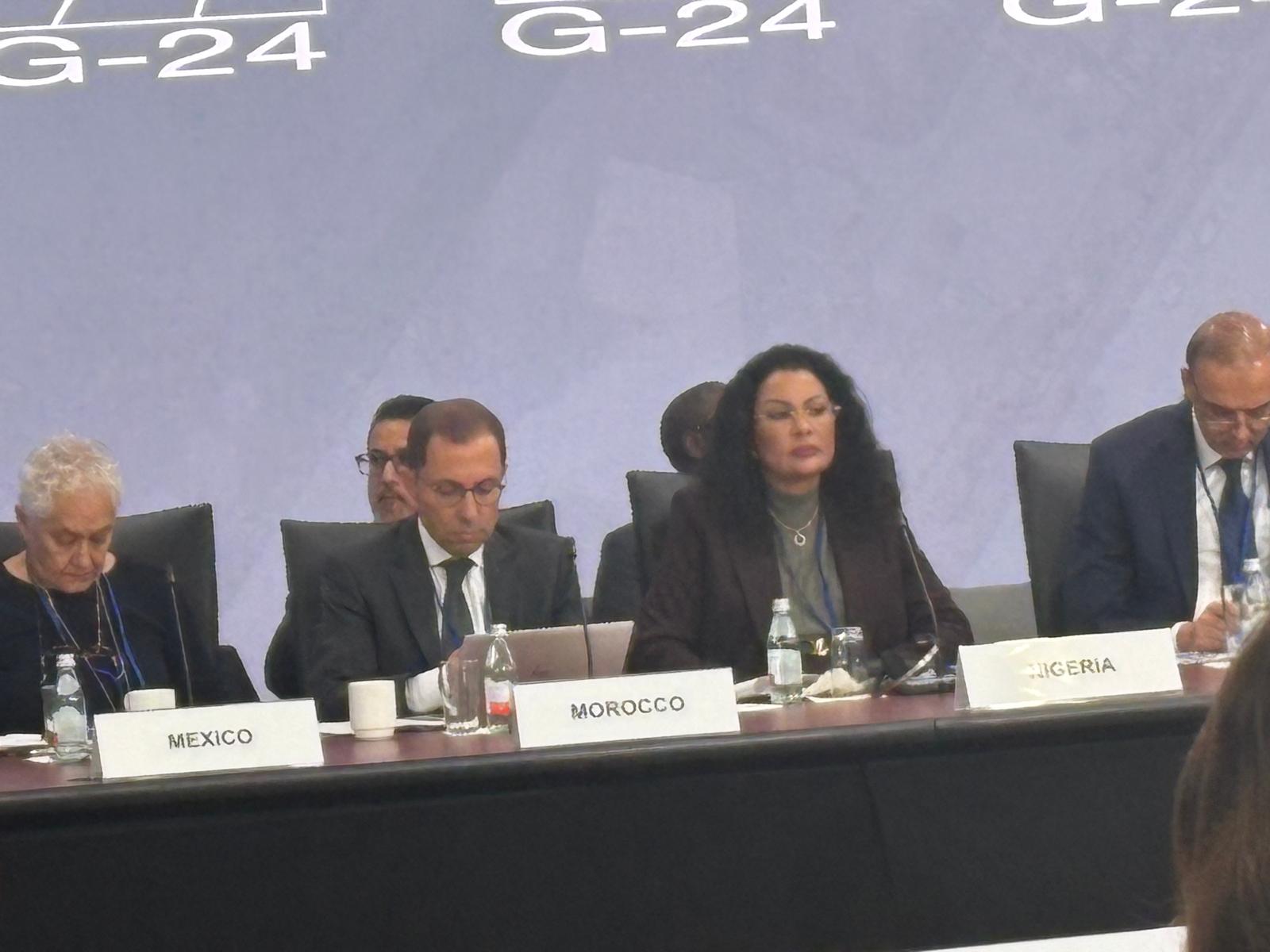
Nigeria’s economic outlook took centre stage at the G24 Meetings on the sidelines of the IMF/World Bank Annual Meetings in Washington D.C., as the Honourable Minister of State for Finance, Dr. Doris Uzoka-Anite, and the Governor of the Central
Bank of Nigeria (CBN), Mr. Olayemi Cardoso, led the country’s delegation in high-level discussions on global economic stability, domestic reforms, and sustainable growth.
The Nigerian team made a strong case for the country’s ongoing fiscal and monetary reforms, which are already delivering measurable results.

Speaking during the sessions, CBN Governor Olayemi Cardoso announced that Nigeria’s trade surplus has risen to 6% of GDP, a development he said reflects “the growing resilience of Nigeria’s economy and the positive impact of sound macroeconomic policies now being implemented.”
Director of Information and PublicRelations, Mohammed Manga in a statement on Wednesday quoted
Cardoso to have reaffirmed the Central Bank’s commitment to maintaining price stability and building a robust, diversified economy, noting that “disciplined macroeconomic management is key to sustained growth and disinflation.” He also disclosed that the CBN is finalizing a new framework to ensure mutually beneficial currency swap agreements with partner nations — part of efforts to strengthen external reserves and stabilize the naira.
Dr. Uzoka-Anite, who actively engaged her counterparts during the meetings, said Nigeria’s participation underscores the Federal Government’s resolve to strengthen collaboration with global financial institutions. “Our focus is on building investor confidence, mobilizing domestic resources, and ensuring that our reforms translate into real economic opportunities for our people,” she stated.

She added that Nigeria’s presence at the G24 forum demonstrates the government’s proactive engagement in shaping global economic conversations and advancing Africa’s collective development agenda.
The G24 platform brings together finance ministers and central bank governors from emerging and developing economies to coordinate positions on international monetary and development issues. Nigeria’s strong showing at this year’s meeting reflects its growing influence and commitment to transparency, stability, and inclusive growth.

fm7rdf
u9apcr