


Nigeria’s lenders are on a diet of fresh capital. Eight have already met the Central Bank’s new, more muscular requirements; the rest have until March 2026 to follow suit. The aim is not mere regulatory housekeeping, but fuelling a dash towards a $1trn economy by 2030.
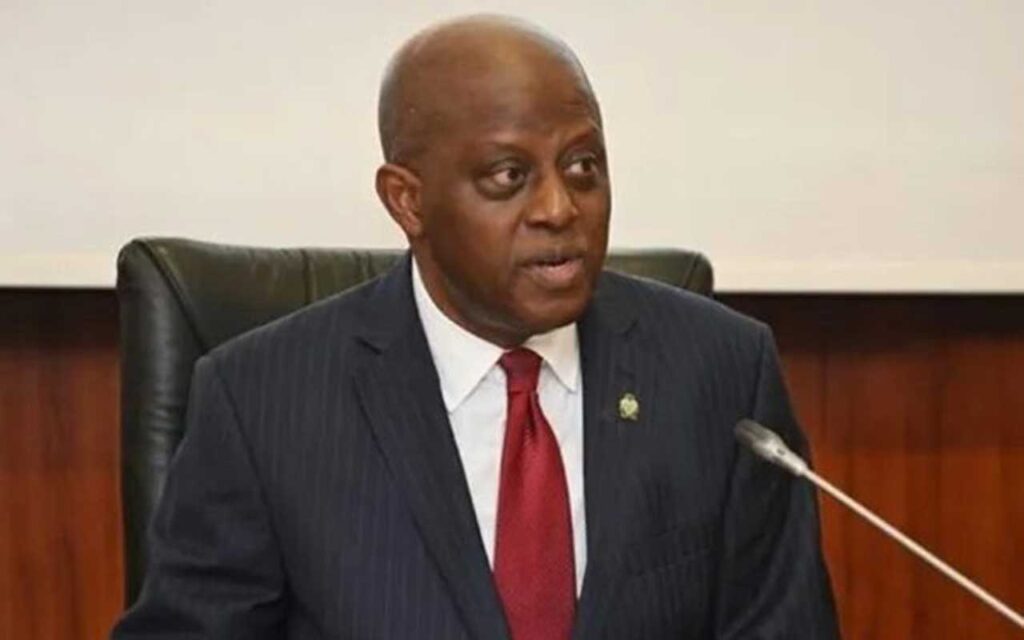
The problem is scale. Nigerian banks’ assets amount to just 12% of GDP; in rich countries, the figure is six to 12 times higher. Governor Olayemi Cardoso is blunt: without fatter balance-sheets, banks cannot bankroll the infrastructure, industry and small businesses the growth plan demands.
The rules are strict: ₦500bn in paid-up capital for international banks, ₦200bn for national ones, and no counting retained earnings. That leaves even profitable lenders rattling the tin. Mergers are already in play—Unity and Polaris are courting each other.


Capital alone, though, is not the tonic. The CBN is coupling recapitalisation with stricter compliance—₦15bn in fines last year for breaches from lax money-laundering checks to sloppy governance. The memory of the post-2008 banking crisis still stings.
If all goes well, the reward is a financial sector big enough to fund mega-projects and extend digital banking deep into rural Nigeria. If not, expect fewer, larger banks, an investor class nursing dilution fatigue, and a trillion-dollar dream left on paper.
1 Comment
6gcqne