By Muhammed Danjuma Ogwu, Lafia
With the 2027 governorship race heating up in Nasarawa State, a wave of youth-led advocacy is sweeping across the region as young people call for genuine inclusion, accountability, and an end to their use as tools in the hands of desperate politicians.
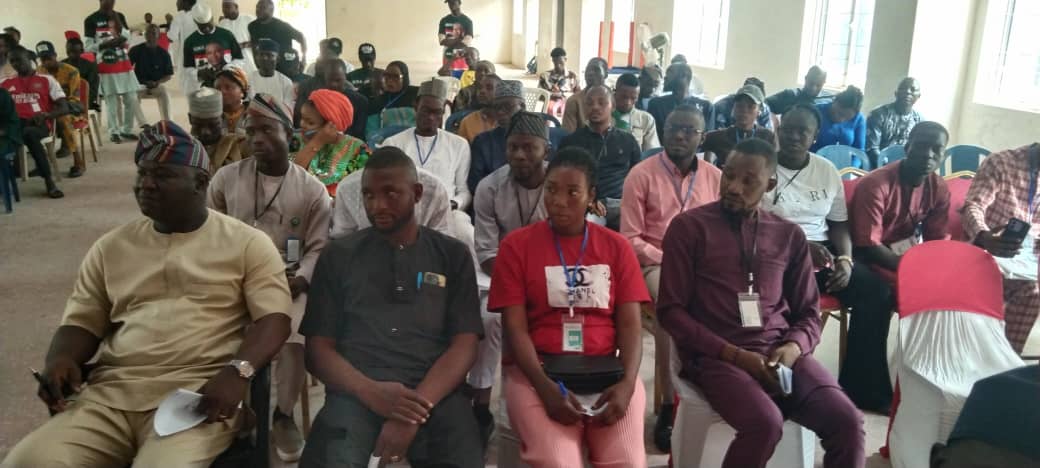
At a powerful one-day summit held in Akwanga, with the theme “Changing the Mindset: Taking Nasarawa Youths as Drivers of the Future,” youth leaders and stakeholders rallied to challenge political divisions and demand a seat at the table where decisions about their future are made.
Delivering a keynote address, Major General Nuhu Angbazo (Rtd.), convener of the summit, warned that deepening political rifts among young people—often engineered by the elite—are weakening Nigeria’s social fabric and national security.
“Political divisions among youths, often failed by the political class, could hinder national unity and security,” he warned.
“The youths are the catalyst of dawn. They are not idle—it is the absence of opportunity that keeps them down. This must change.”
Angbazo also called on young Nigerians to reject being used as political thugs and instead embrace civic leadership, innovation, and accountability.
“This Is Not Just an Event—It’s a Movement”
Chairperson of the Organizing Committee, Nina Abims, charged participants to see the summit as more than just talk.
“This summit is a call to action. It’s about unlocking the power that lies in the minds and hands of Nasarawa youth to reimagine and reshape the future,” she said.
“We must build a platform grounded in productivity, innovation, and volunteerism.”
Speakers at the event—Abimiku Ove, Silas Dauda, and Lois Istifanu—pointed to insecurity, lack of exposure, and absence of political mentorship as the biggest barriers to youth progress in the state.
“We face insecurity in our communities, and our voices are often ignored in decisions that affect us. There are many youth platforms in Nasarawa, but we lack sponsorship and mentorship,” said Dauda.
“We’re ready to change that narrative.”
They stressed that political interference and tokenism must give way to true engagement and shared governance.
A communique issued at the end of the summit reaffirmed the youth’s commitment to driving development, urging political actors and institutions to adopt inclusive practices as the 2027 elections approach.
As whispers of zoning alterations and backroom deals begin to swirl ahead of the polls, Nasarawa’s young generation is making one thing clear: they are not waiting to be chosen—they are stepping up to lead.