

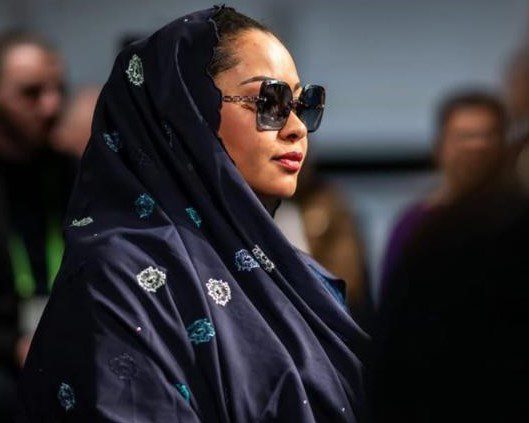

As Tuesday approaches, all eyes are on the red chamber—not for a vote or a debate, but for a confrontation that may test the very architecture of Nigeria’s democracy.
Senator Natasha Akpoti-Uduaghan, the fiery lawmaker representing Kogi Central, says she’s heading back to the Senate. The Federal High Court has spoken, she insists. Her suspension is null. Her seat awaits. But the Senate says: Not so fast.
What began as a procedural sanction has now snowballed into a full-blown legal and political crisis, with Nigeria’s judiciary and legislature on a possible collision course.
At the heart of it is a single question: Who holds the final say—courts or chambers?


Akpoti-Uduaghan was suspended for six months earlier this year in what her supporters have described as a politically motivated move.
But last week, a judgment by Justice Binta Nyako appeared to breathe new life into her case. To her, it was vindication. To her opponents, it was misinterpretation.
The Senator’s legal team says the court effectively nullified her suspension and ordered her reinstatement.
But the Senate’s legal counsel, Paul Daudu, SAN, counters that the court merely offered an opinion—not a binding directive. In legal terms: an obiter dictum—not a judgment with the force of law.
“There was no express order directing the Senate to recall her,” Daudu wrote in a private advisory to her counsel, J.S. Okutepa, SAN.
To complicate matters further, a version of that letter appeared online, unsigned and without context, leading to viral speculation. On Monday, Daudu publicly disowned the circulating document, reiterating that while legal caution is advised, he never authored an “open letter.”
But beyond the courtroom semantics lies a deeper tension—a philosophical one.
What happens when a lawmaker, armed with a controversial court victory and public support, decides to challenge the authority of the chamber that once silenced her? And what happens when that chamber refuses to yield—not to the people, not to the press, and not (yet) to the courts?
Akpoti-Uduaghan’s defiance has become more than just a personal mission. To many watching, it’s a symbolic act—a challenge to the old order, a test of institutional maturity.
Will the Senate allow her in, risking a precedent where courts can reverse its internal disciplinary actions? Or will it block her path, risking public outcry and judicial backlash?
The controversy is unfolding at a time when public trust in democratic institutions is already fragile. Many Nigerians see the standoff as emblematic of a deeper crisis—where power games often overshadow justice, and where process can become a tool of punishment.
For her part, Akpoti-Uduaghan has doubled down, using her suspension as a springboard for visibility. From launching rural market projects to rallying support among women and youth, she has remained politically active—arguably more so than many of her unsuspended colleagues.
“You can suspend my seat, but not my service,” she said recently
With the Senate set to reconvene, the stakes couldn’t be higher. Will the Sergeant-at-Arms bar her at the gate? Will security agents intervene? Will the court issue an injunction to clarify its ruling?
Or will this moment pass with a backroom deal that saves face for both institutions?
Either way, Tuesday may not just be about one senator’s return. It may well be about which branch of government gets the final word in Nigeria’s democracy—and whether the rule of law can truly balance the rule of power.
As Tuesday approaches, all eyes are on the red chamber—not for a vote or a debate, but for a confrontation that may test the very architecture of Nigeria’s democracy.
Senator Natasha Akpoti-Uduaghan, the fiery lawmaker representing Kogi Central, says she’s heading back to the Senate. The Federal High Court has spoken, she insists. Her suspension is null. Her seat awaits. But the Senate says: Not so fast.
What began as a procedural sanction has now snowballed into a full-blown legal and political crisis, with Nigeria’s judiciary and legislature on a possible collision course.
At the heart of it is a single question: Who holds the final say—courts or chambers?
Akpoti-Uduaghan was suspended for six months earlier this year in what her supporters have described as a politically motivated move.
But last week, a judgment by Justice Binta Nyako appeared to breathe new life into her case. To her, it was vindication. To her opponents, it was misinterpretation.
The Senator’s legal team says the court effectively nullified her suspension and ordered her reinstatement.
But the Senate’s legal counsel, Paul Daudu, SAN, counters that the court merely offered an opinion—not a binding directive. In legal terms: an obiter dictum—not a judgment with the force of law.
“There was no express order directing the Senate to recall her,” Daudu wrote in a private advisory to her counsel, J.S. Okutepa, SAN.
To complicate matters further, a version of that letter appeared online, unsigned and without context, leading to viral speculation. On Monday, Daudu publicly disowned the circulating document, reiterating that while legal caution is advised, he never authored an “open letter.”
What happens when a lawmaker, armed with a controversial court victory and public support, decides to challenge the authority of the chamber that once silenced her? And what happens when that chamber refuses to yield—not to the people, not to the press, and not (yet) to the courts?
Akpoti-Uduaghan’s defiance has become more than just a personal mission. To many watching, it’s a symbolic act—a challenge to the old order, a test of institutional maturity.
Will the Senate allow her in, risking a precedent where courts can reverse its internal disciplinary actions? Or will it block her path, risking public outcry and judicial backlash?
The controversy is unfolding at a time when public trust in democratic institutions is already fragile. Many Nigerians see the standoff as emblematic of a deeper crisis—where power games often overshadow justice, and where process can become a tool of punishment.
For her part, Akpoti-Uduaghan has doubled down, using her suspension as a springboard for visibility. From launching rural market projects to rallying support among women and youth, she has remained politically active—arguably more so than many of her un-suspended colleagues.
“You can suspend my seat, but not my service,” she said recently.
With the Senate set to reconvene, the stakes couldn’t be higher. Will the Sergeant-at-Arms bar her at the gate? Will security agents intervene? Will the court issue an injunction to clarify its ruling?
Either way, Tuesday may not just be about one senator’s return. It may well be about which branch of government gets the final word in Nigeria’s democracy—and whether the rule of law can truly balance the rule of power.