***Media, Traditional Leaders Mobilized as UNICEF Sounds Alarm
By Ahmed Rufa’i, Dutse
In the face of a silent but deadly enemy, the Jigawa State Government is gearing up to vaccinate 1.9 million children against the poliovirus from April 24 to 30, in what experts say is a critical window to halt a worrying resurgence of the disease in Nigeria.

The vaccination push is coming as two confirmed polio cases were recorded in Hadejia and Sule Tankarkar local government areas this year, part of a nationwide tally of 18 cases across nine states.
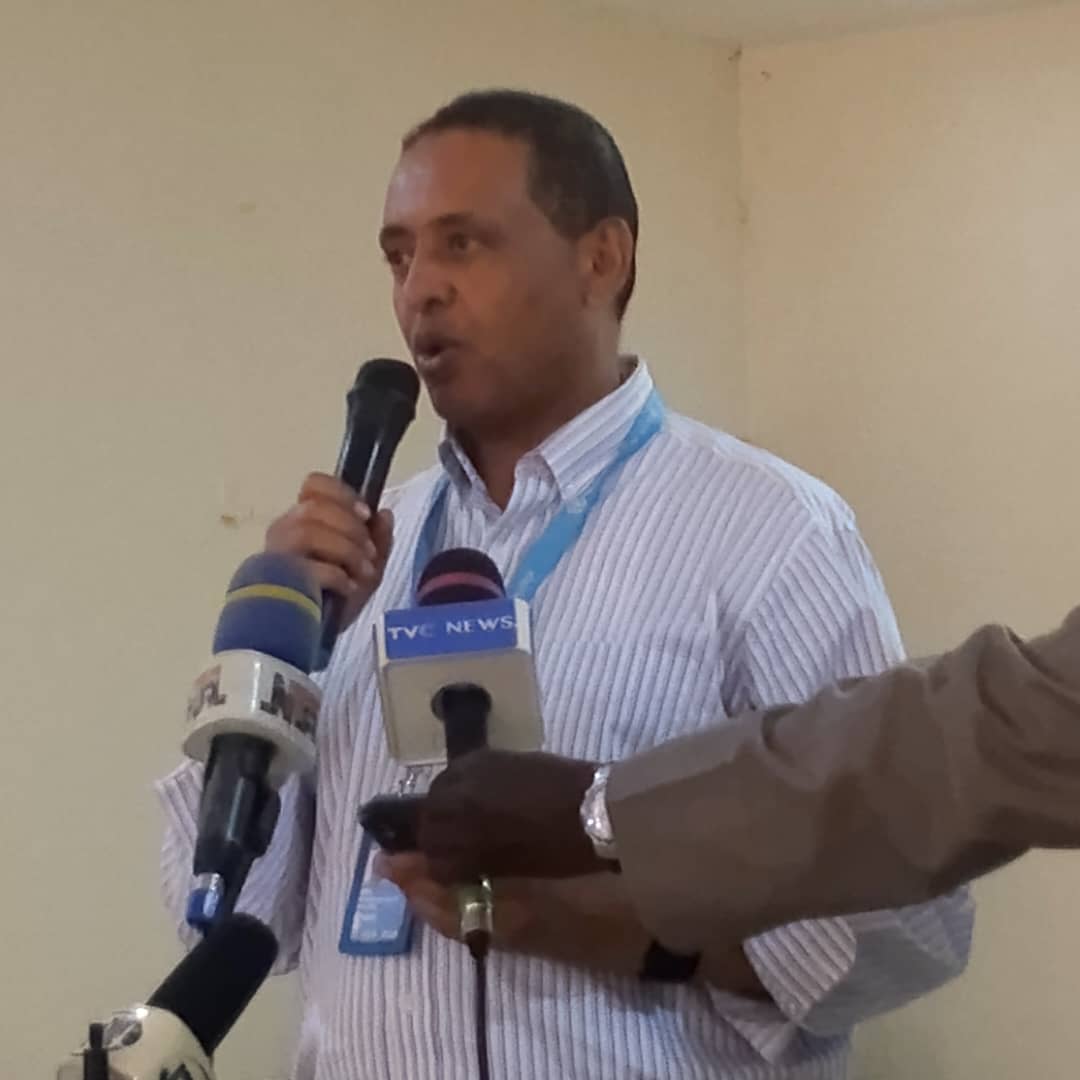
“Polio knows no boundaries and spreads fast,” warned Dr. Serekeberehan Seyoum Deres, Health Manager at the UNICEF Kano Field Office, during a media dialogue held in Dutse.
“An outbreak in any country puts children everywhere at risk.”
The event, hosted by UNICEF in partnership with the Jigawa State Primary Healthcare Development Agency (PHCDA), gathered media professionals, health officials, and community leaders to confront what UNICEF calls a “dream killer” — a preventable disease that continues to threaten Nigerian children despite years of progress.
For health officials like the Programme Manager of the State Emergency Routine Immunisation Coordination Centre (SERICC), Dr. Shehu Ibrahim, the battle is not just medical — it’s political, cultural, and psychological.
“Non-compliance is our biggest challenge,” he admitted. “Children are being missed due to political sentiments and misinformation. What has water supply got to do with immunization?”
Dr. Ibrahim cited instances where just seven missed children in a February round—spread across Garki, Kaugama, and Maigatari LGAs—could have triggered transmission. “That’s all it takes,” he said.
In response, Jigawa is deploying vaccination teams beyond clinics, to markets, border towns, and community gathering points.
The government also vowed to adopt new tracking and accountability measures, ensuring zero missed children.
UNICEF, in turn, has called on the Jigawa State Government to declare a State of Emergency on Polio, including the release of counterpart funding and public commitments from all 27 local government chairmen to lead by example.
The campaign’s success hinges on trusted voices. UNICEF is urging traditional and religious leaders to actively tackle vaccine hesitancy, enforce community compliance, and publicly endorse the campaign.
“We are calling on the media to use their platforms to break the cycle of ignorance,” said Dr. Seyoum. “This is about saving lives.”
As World Immunization Week aligns with the campaign period, all eyes are on Jigawa to lead by example. For many parents, the next six days will determine whether their children walk confidently into the future — or remain vulnerable to a preventable paralysis.