


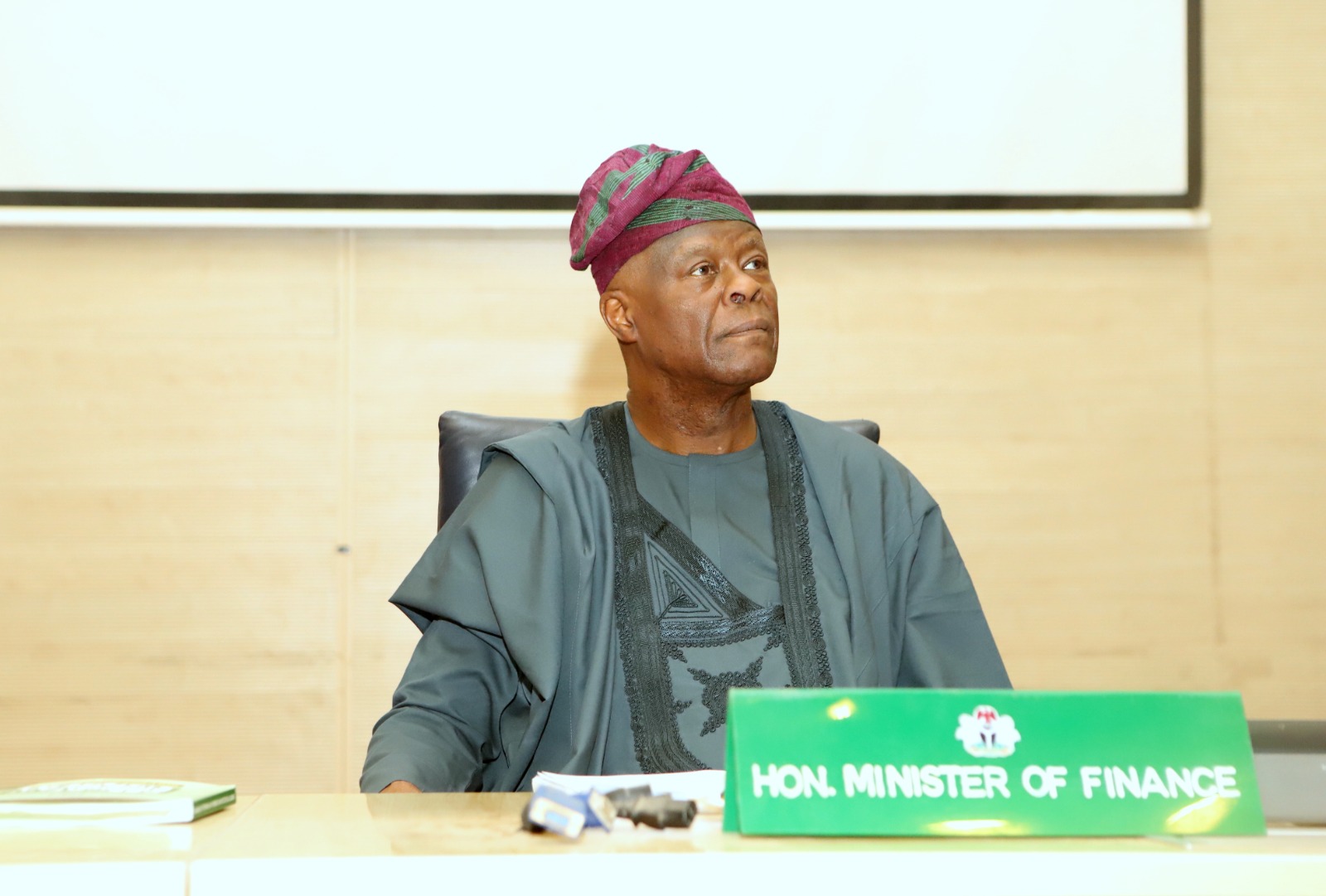
In a bid to foster economic stability, the Federation Account Allocation Committee (FAAC) has allocated N1.424tr to Nigeria’s three tiers of government for December 2024.
While the disbursement promises fiscal relief, a deeper look reveals that not all sectors of the economy are seeing the same benefits.
The N1.424 trillion, drawn from a gross total of N2.310 trillion, was divided among the Federal Government, State Governments, Local Government Councils (LGCs), and Oil Producing States.
The Federal Government received N451.193b, while States garnered N498.498b, and LGCs were allocated N361.754b.
The Oil Producing States also benefited, with N113.477b for Derivation, representing 13% of mineral revenue.
A standout in the disbursement was the N649.561b allocated from Value Added Tax (VAT) collections, reflecting a steady increase from the previous month’s N628.973b.
This growth in VAT revenues signals improving consumer spending, but with a catch.
Despite the VAT increase, there was a notable dip in Gross Statutory Revenue, which fell by N6.988b from the previous month.
This shortfall is a cause for concern, especially given the growing demands for infrastructure and social services.

One of the key areas that saw a significant boost was the Electronic Money Transfer Levy (EMTL), with N31.211b being shared across the tiers of government.
This revenue source, however, highlights the growing reliance on electronic transactions and could signal future policy shifts toward digital finance.
Furthermore, the N402.714 billion allocated from Exchange Difference paints a picture of fluctuating exchange rates, an area that continues to exert pressure on Nigeria’s fiscal landscape.
While the increase in EMTL and VAT collections is promising, the continued decline in traditional revenue streams like Oil and Gas royalties and Corporate Income Tax (CIT) serves as a reminder of the vulnerabilities Nigeria faces in its over-reliance on oil.
Despite these challenges, the FAAC distribution is a critical lifeline for the country’s governance, particularly for the States and Local Government Councils, which rely heavily on federal allocations to fund infrastructure and social programs.
However, as the allocations continue to rise, the question remains: How can Nigeria ensure long-term fiscal sustainability in the face of dwindling oil revenues and global economic uncertainties?
While the N1.424 trillion allocation offers short-term relief, Nigeria’s policymakers must act swiftly to diversify the economy and reduce dependency on oil to ensure a stable future for all three tiers of government.
