The Human Rights Writers Association of Nigeria has demanded an international forensic audit of the Lagos-Calabar Coastal Highway project following claims by the Minister of Works, David Umahi, that the road is costing an average of N7.5 billion per kilometre.
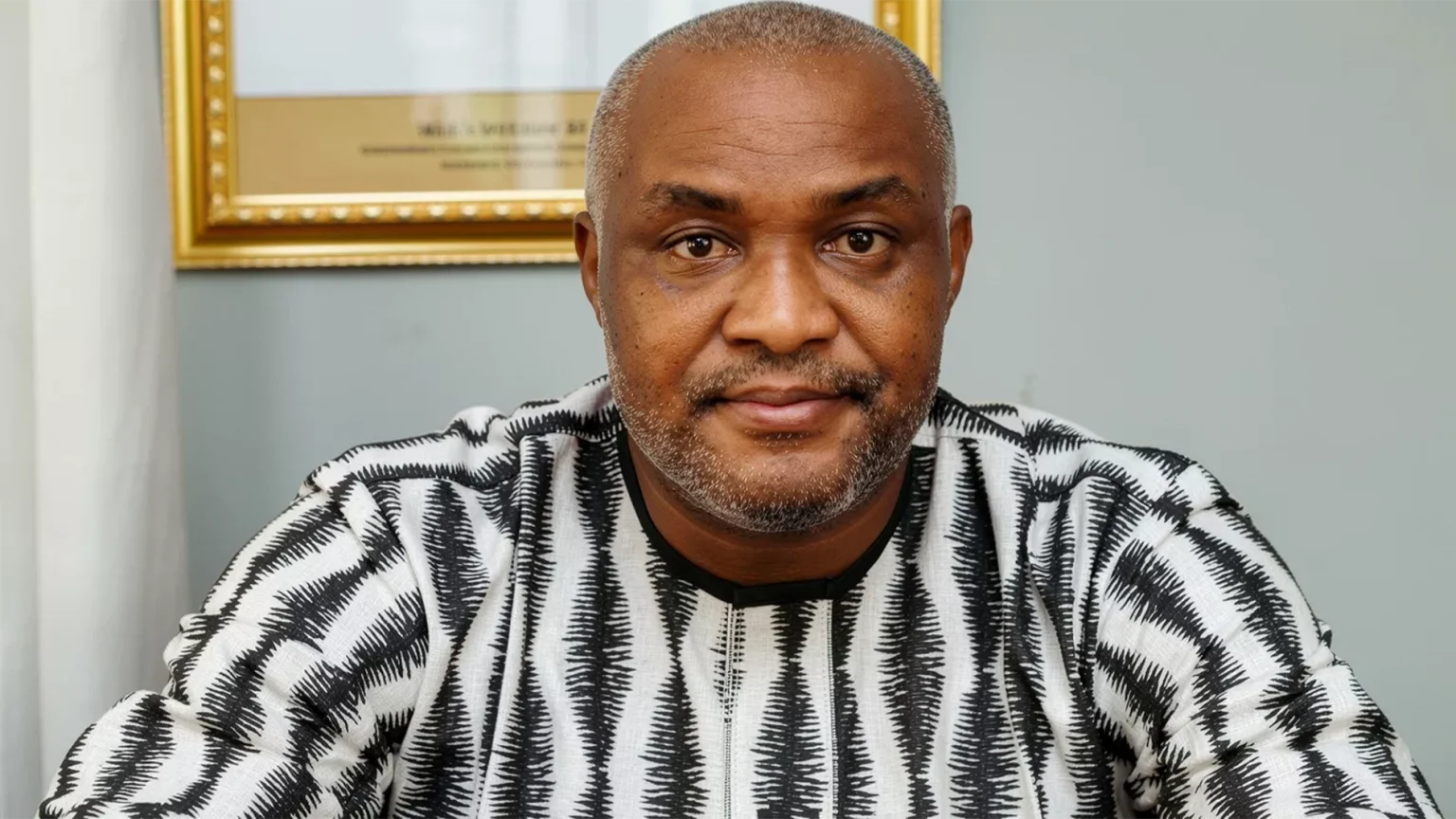
In a strongly worded statement signed by its National Coordinator, Emmanuel Nnadozie Onwubiko, the group described the project cost as “a monumental economic heist against Nigerians” and accused the administration of Bola Ahmed Tinubu of presiding over what it called a reckless and opaque spending regime amid worsening economic hardship across the country.
HURIWA said the figure announced by the minister represents “one of the most controversial and suspicious public expenditure claims in Nigeria’s recent democratic history,” arguing that millions of Nigerians are already struggling with poverty, inflation, unemployment, insecurity and declining living standards.
“At a time citizens can barely survive rising food prices, unaffordable transportation costs, astronomical electricity tariffs and a collapsing naira, this government is asking Nigerians to quietly accept a road project allegedly costing N7.5 billion for every kilometre constructed,” the statement said.
The association said the cost must be subjected to independent international scrutiny, insisting that Nigerians deserve transparency on the procurement, financing and execution of the project.
HURIWA called on institutions including the Nigerian Bar Association, the Nigeria Labour Congress, civil society groups, anti-corruption organisations, economists, engineers and procurement experts to jointly establish what it described as a “national accountability coalition” to investigate the project.
The group demanded full disclosure of procurement procedures, engineering valuation reports, financing agreements, loan arrangements, tolling concessions, environmental impact assessments, compensation costs and the identities of contractors and financial beneficiaries linked to the project.
It also urged stakeholders to deploy the Freedom of Information Act to compel the release of all documents connected to the highway project.
According to HURIWA, comparative infrastructure projects in countries such as China, South Africa, Kenya, Ethiopia and the United States are often delivered at lower costs despite stricter standards and more advanced engineering systems.
The association further expressed concern over remarks credited to Umahi suggesting that regions benefiting from federal projects should politically reciprocate support to the President in future elections.
HURIWA argued that federal infrastructure projects are funded with public resources and should not be portrayed as political gifts tied to electoral considerations.
“For a serving minister to publicly imply that regions should politically repay the President for executing federally funded projects raises dangerous constitutional and ethical questions,” the statement added.
The group warned that unchecked public borrowing and infrastructure spending without transparency could undermine democratic accountability and fuel public distrust ahead of the 2027 elections.
It subsequently called on the National Assembly to launch public hearings into the project, while urging the Economic and Financial Crimes Commission and the Independent Corrupt Practices Commission to scrutinise all financial and procurement processes linked to the highway.
HURIWA also demanded the temporary suspension of future disbursements for the project pending what it described as an independent forensic review and public accountability process.
The association maintained that public scrutiny of government spending should not be viewed as political opposition but as a constitutional demand for transparency and accountability.