

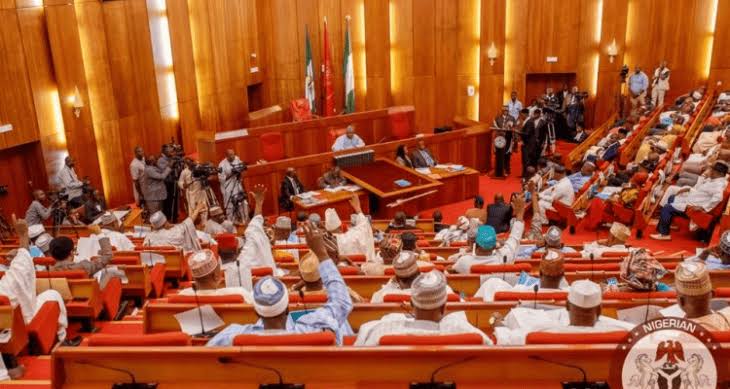

A call that never connects should not cost a subscriber airtime. That is the principle behind a Senate push for automatic refunds on failed calls and certain network interruptions.
Lawmakers have directed the Nigerian Communications Commission (NCC) to investigate complaints that subscribers are charged for calls that fail to connect, drop unexpectedly or require repeated redialling. They want the regulator to examine whether operators’ billing systems charge only for call time actually delivered.
The Senate is seeking more than an inquiry. It has urged the NCC to require automatic refunds for verifiably failed calls, create a clear and time-bound complaints process, and audit operators’ billing systems independently. It also called for tougher enforcement of service-quality rules and sanctions where operators persistently fall short.


The NCC and operators—including MTN Nigeria, Globacom, Airtel Nigeria and 9mobile—must explain their practices to the Senate Committee on Communications. The committee has four weeks to assess subscribers’ losses and report back; the NCC is also expected to submit its findings and proposed remedies within that period.
The motion, moved by Senator Tahir Monguno, cited the burden repeated failed calls place on subscribers, particularly students, traders, low-income earners and small businesses. Even small deductions, lawmakers said, add up across millions of users.
The central challenge will be verification: the NCC must establish which failed calls qualify for refunds and how subscribers can receive them without navigating a difficult complaints process.
In a separate matter, the Senate passed the National Senior Secondary Education Act (Amendment) Bill 2026 for third reading. The measure seeks to strengthen the National Senior Secondary Education Commission and improve coordination of public senior secondary education.
For telecom subscribers, the Senate’s demand is straightforward: operators should be able to show that the service was delivered before airtime is charged.