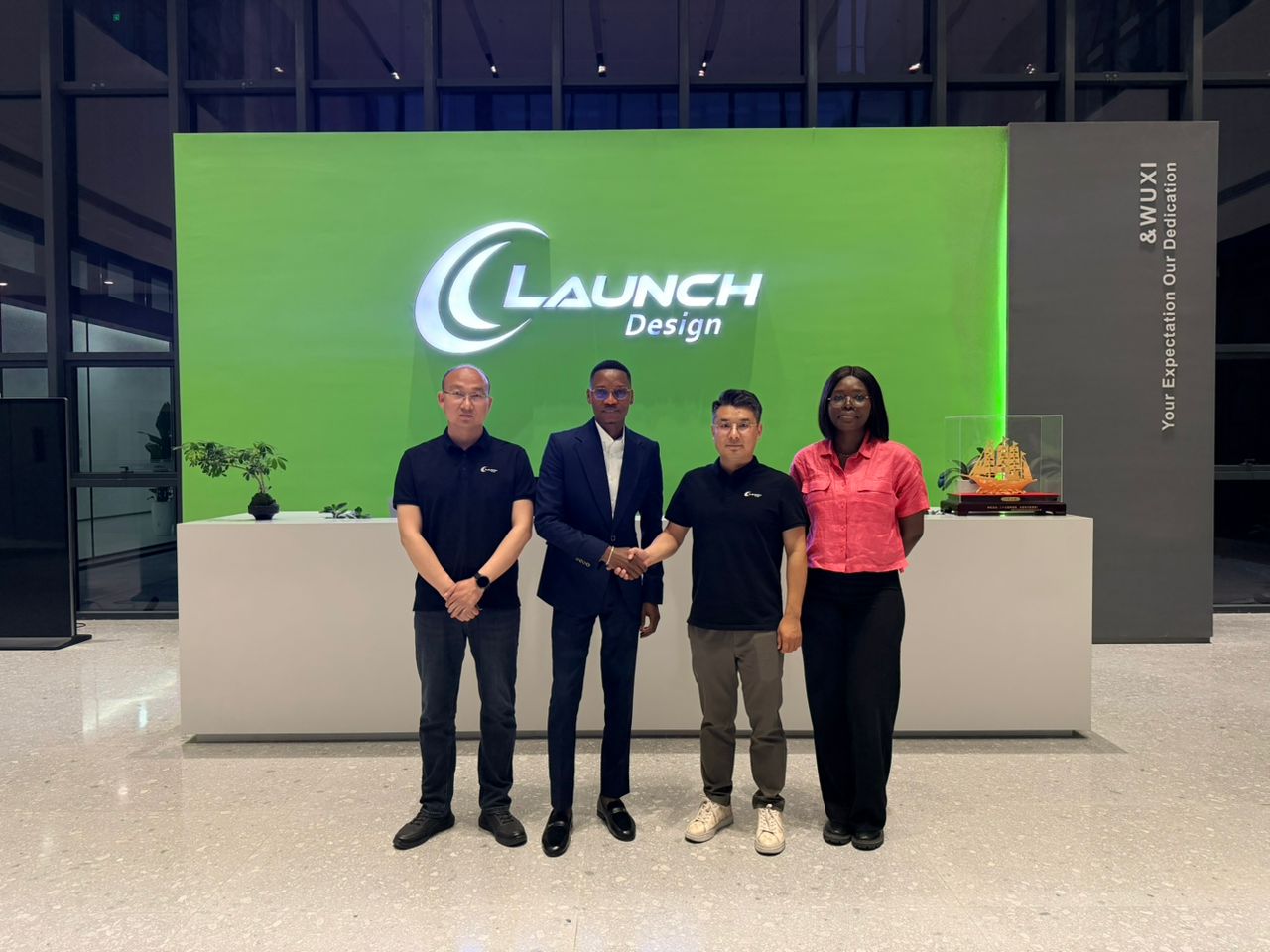
Nigeria’s push for cleaner transportation and local manufacturing received a major boost as Launch Design Shanghai and Hybrid Motors Nigeria sealed a strategic partnership to establish electric vehicle manufacturing plants in Lagos and Abuja.
The collaboration, formalised during a signing ceremony in Shanghai on May 8, is expected to strengthen Nigeria’s emerging electric vehicle industry through technology transfer, workforce development and large-scale local assembly operations.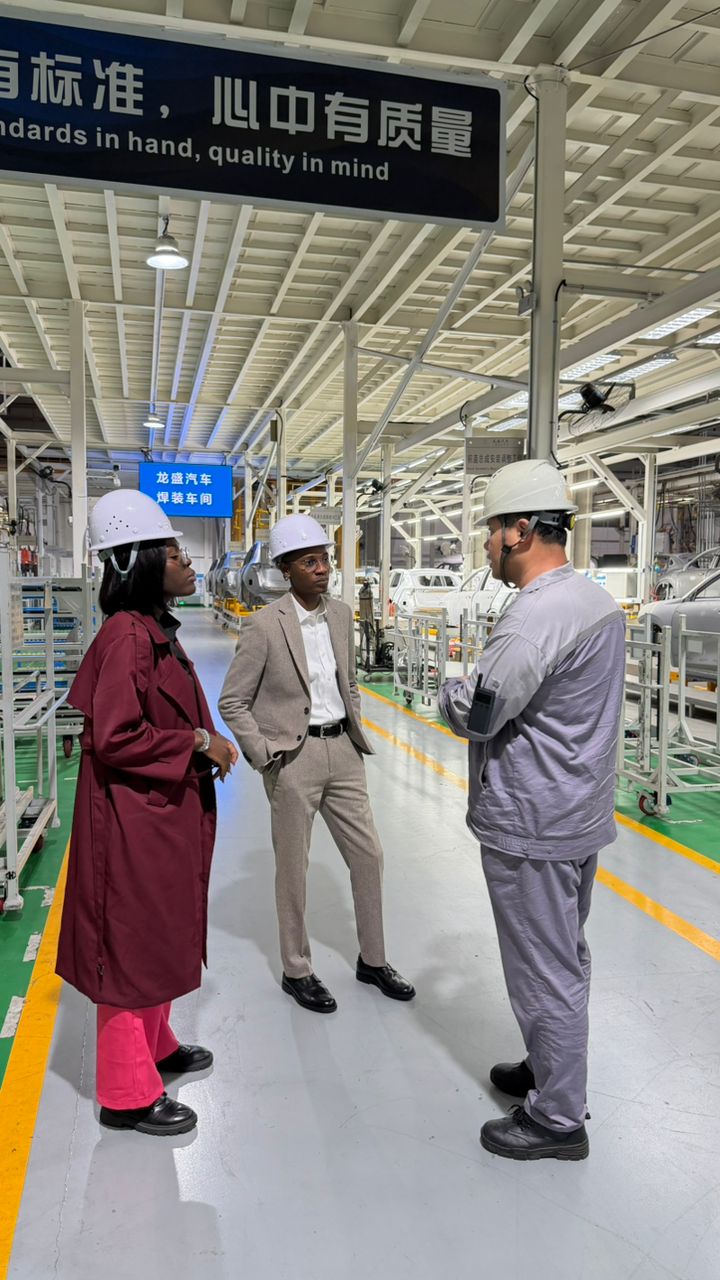
At the centre of the partnership is Acely, Hybrid Motors Nigeria’s indigenous automobile brand developed for Nigerian roads, climate conditions and consumer needs.
Executives from both firms described the agreement as a transformative step toward building a globally competitive automotive industry rooted in Nigeria.
Chief Executive Officer of Hybrid Motors Nigeria, Jubril Arogundade, said the partnership represents more than a commercial arrangement.
“We are building Nigeria’s automotive future,” Arogundade said, noting that the Acely brand combines local market understanding with world-class engineering expertise.
According to him, the collaboration would ensure that vehicles assembled in Nigeria meet international standards while retaining strong local identity and relevance.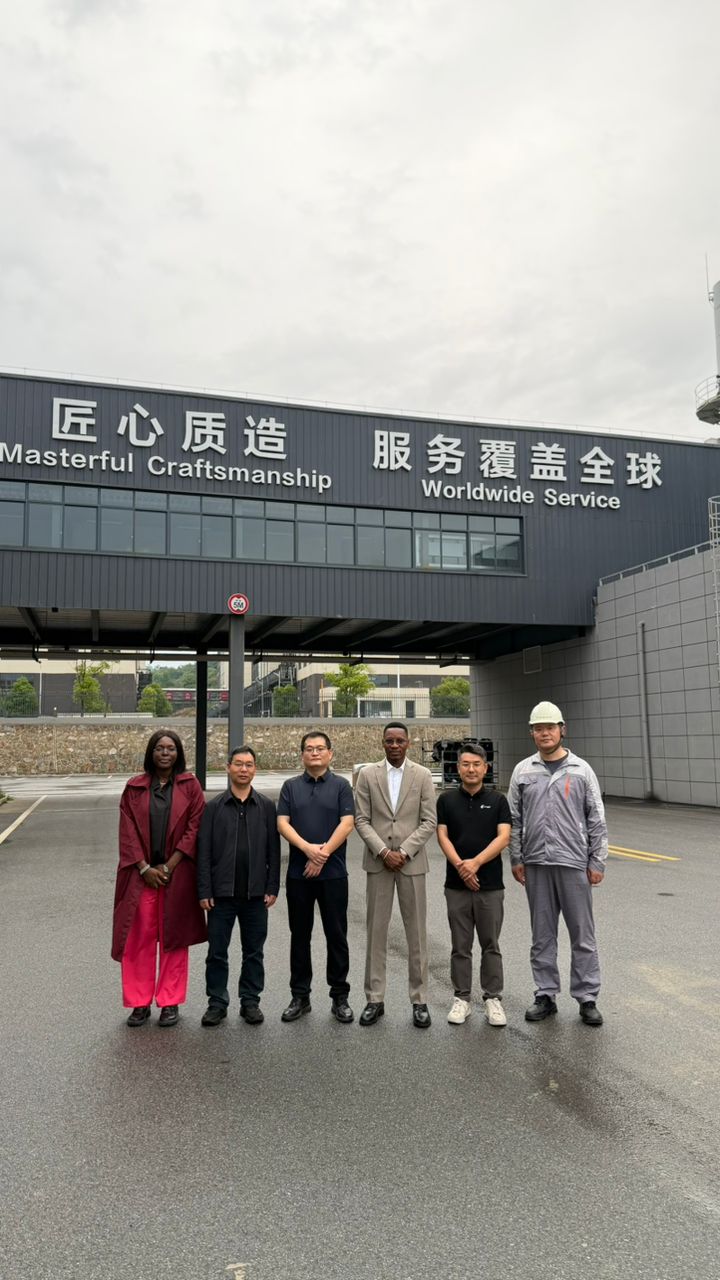
Also speaking, Chief Executive Officer of Launch Design, Wang Xun, said the partnership would help lay the foundation for a sustainable automotive ecosystem across Africa.
He said Launch Design would provide engineering support covering vehicle architecture, manufacturing systems, design optimisation and quality assurance processes.
Under the agreement, the companies plan to develop two major production facilities with a combined annual output target of 70,000 vehicles when fully operational.
The Lagos plant, located along the Lekki-Epe corridor, will serve as the primary assembly and production hub with projected capacity for 50,000 units annually.
Its proximity to the Lekki Deep Sea Port is expected to support exports to regional markets across West Africa, including Ghana, Benin, Togo and Côte d’Ivoire.
The Abuja facility, to be situated within the Centenary Economic City Free Zone Business Area, will function as a secondary manufacturing and technology centre with capacity for 20,000 vehicles yearly.
The facility is also expected to enhance access to Northern Nigerian and Sahel markets while benefiting from free zone incentives and established trade routes.
The firms said the dual-facility strategy would reduce logistics costs, improve operational efficiency and create jobs across different regions of the country.
Beyond vehicle production, the initiative is projected to stimulate local supply chains, reduce Nigeria’s dependence on imported vehicles and deepen industrial diversification efforts.
The companies added that future Acely models would increasingly incorporate electric and hybrid propulsion technologies tailored to Nigeria’s evolving mobility needs.
Industry observers say the partnership aligns closely with Nigeria’s automotive development agenda and broader efforts to transition toward cleaner, energy-efficient transportation systems.
Describing the agreement as a defining moment, Arogundade said the project would help position Nigeria as a key player in Africa’s evolving automotive value chain.
“With facilities in Lagos and Abuja serving complementary markets, we are laying the foundation for a new era of mobility that is locally rooted, globally competitive and sustainably driven,” he said.
China-Nigeria EV Partnership Targets Auto Revolution With Lagos, Abuja Plants