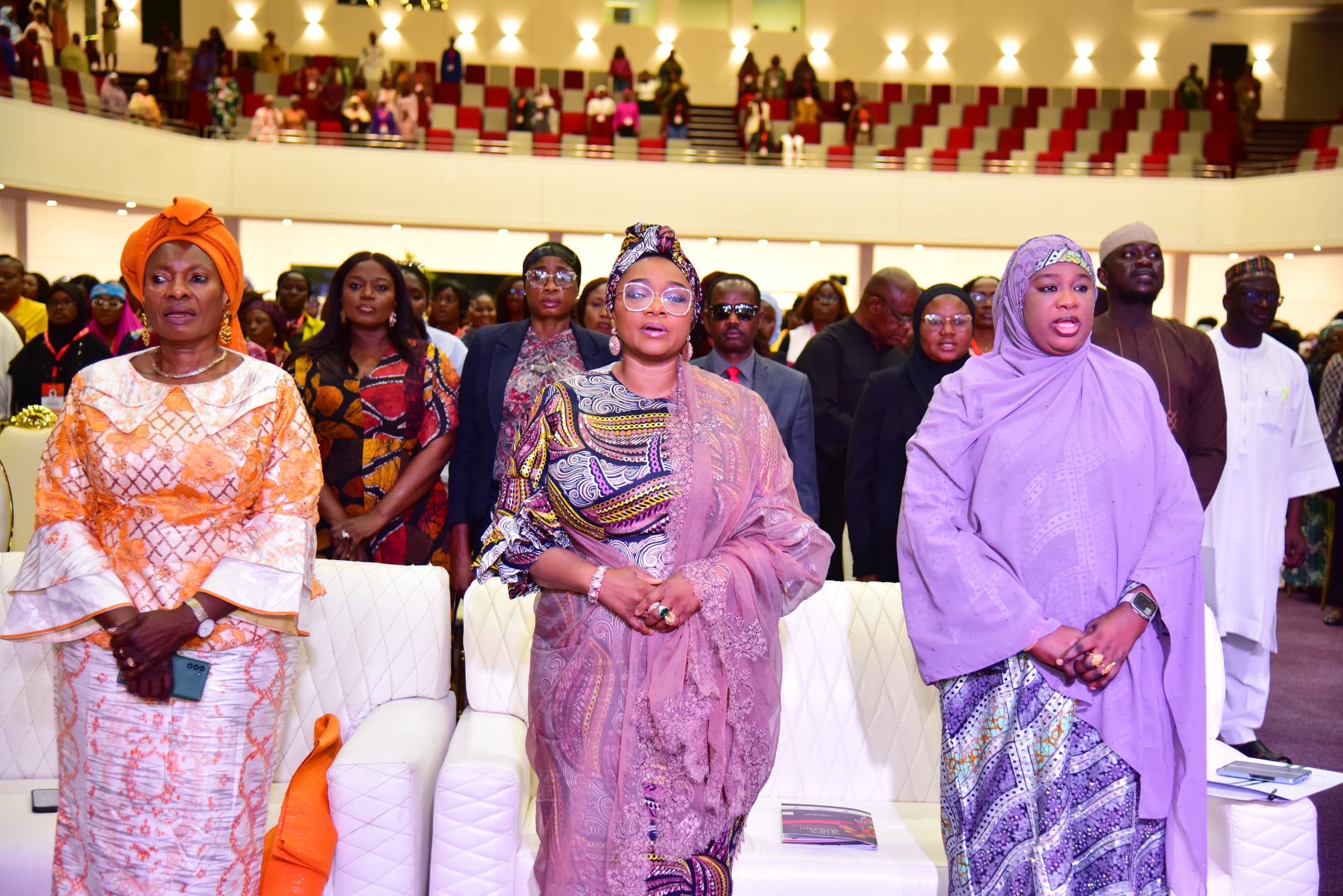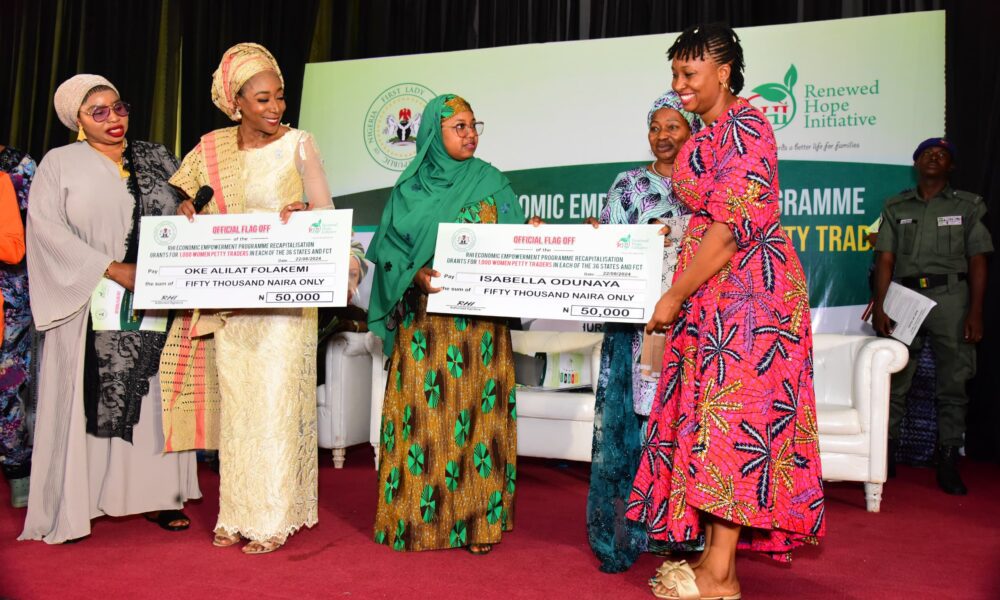
The Federal Capital Territory (FCT) Administration has declared women entrepreneurs central to its long-term economic transformation strategy, positioning them as key actors in Abuja’s shift toward a greener, more sustainable and innovation-driven economy.
The Minister of State for the FCT, Dr. Mariya Mahmoud, made the declaration in Abuja while delivering the keynote address at the 2026 Global Africa Women’s Sustainability Conference for Women Entrepreneurs, organised by ImpactHER at the Bola Ahmed Tinubu International Conference Centre.
Women at the centre of green transition
Speaking on the theme “Rethink, Reinvent, Regenerate,” Mahmoud said the FCT is deliberately aligning its development framework with global sustainability priorities, particularly in the areas of climate resilience, circular economy systems, and environmentally responsible enterprise.
She said the administration under FCT Minister Nyesom Wike is actively promoting policies that encourage women-led innovation in agriculture, renewable energy, fashion, and fintech—sectors increasingly seen as critical to future economic competitiveness.
According to her, women are no longer to be viewed as marginal participants in the economy, but as central drivers of what she described as “a new sustainable development order.”
Recognition of structural gaps
Despite the policy optimism, Mahmoud acknowledged persistent challenges facing women entrepreneurs, including limited access to finance, markets, technology, and regulatory support systems.
She said ongoing reforms within the FCT are aimed at reducing bureaucratic bottlenecks, improving infrastructure, and expanding training programmes to strengthen business capacity and competitiveness.
However, the broader message underscored a familiar national tension: strong policy declarations against a backdrop of structural constraints that continue to limit enterprise growth.
Push for inclusive economic transformation
Mahmoud stressed that no meaningful economic transformation can occur without women at the centre of planning and implementation, describing them as essential to building a “prosperous, equitable and sustainable future.”
She said the FCT’s development agenda is increasingly focused on integrating environmental sustainability with inclusive economic participation, particularly for women and young entrepreneurs.
Bridging Africa’s green economy gap
Founder of ImpactHER, Barrister Efe Ukala, used the platform to highlight the growing global value of the green economy, estimated at over $5 trillion, while warning that African women remain significantly underrepresented in high-value global supply chains.
She attributed this gap to barriers such as lack of certification, limited access to global standards, and weak integration into formal markets.
Ukala said the conference was designed to bridge that divide by equipping women entrepreneurs with the tools, networks, and technical knowledge required to scale their businesses and compete internationally.
ImpactHER, she noted, has supported over 250,000 women across Africa and the Caribbean, focusing on market access, capacity building, and enterprise formalisation.
Policy ambition meets implementation test
The conference highlighted Abuja’s growing emphasis on sustainability-linked economic planning, particularly as governments across Africa reposition green enterprise as both an environmental necessity and an economic opportunity.
Yet beneath the policy messaging lies a deeper challenge: converting sustainability rhetoric into measurable outcomes for small and medium-scale women-led businesses still constrained by financing gaps and regulatory hurdles.
As the FCT sharpens its green economy agenda, the test will be whether inclusion moves from conference declarations to tangible access—capital, markets, and opportunity—for the women expected to drive it.
FCT Touts Women-Led Green Economy Push Amid Drive for Sustainable Growth Agenda