


By Friday Idachaba, Lokoja
Nigeria is looking to music, entertainment, tourism and cultural heritage to strengthen its international image and improve public understanding of government policies through soft power diplomacy.
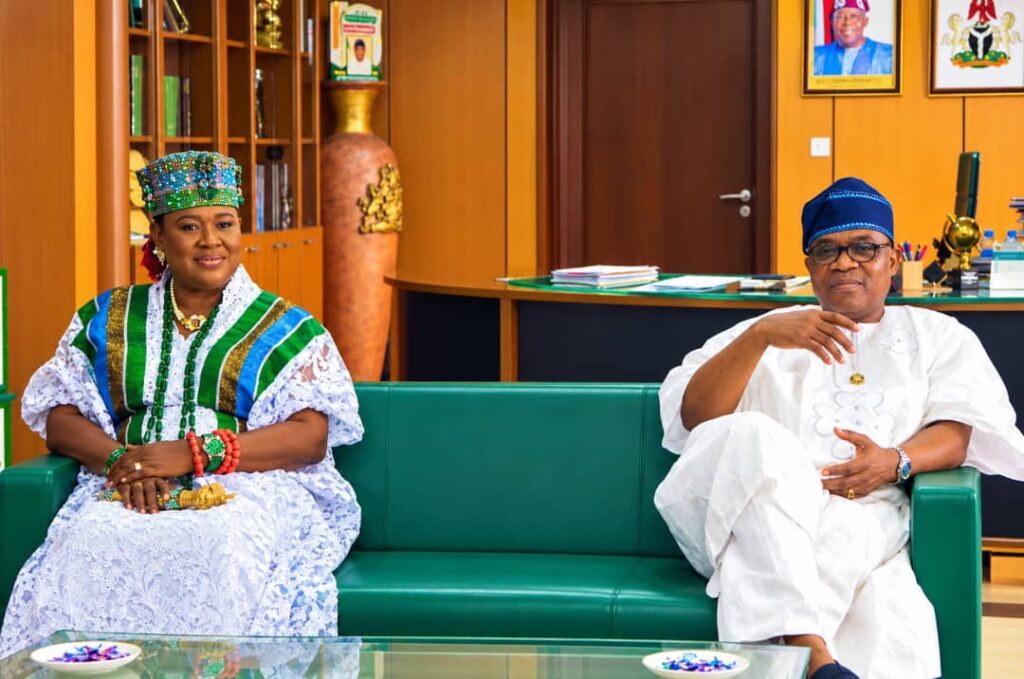
The Minister of State for Foreign Affairs, Ambassador Sola Enikanolaiye, disclosed this while receiving leaders of the Ileya Omo-Okun Generational Foundation (IOOGF), a cultural heritage platform, during a courtesy visit to his office.
He said culture had become an important tool in international relations, enabling countries to build relationships, influence perceptions and promote their interests without resorting to force or coercion.
According to him, Nigeria has vast cultural resources that could be harnessed to promote national development and deepen engagement with the international community.
“We want to project our invaluable culture, like music, food, dress code, history, artefacts and creative industry, among others. Nigeria has enormous talents or resources in this area. We are determined to harness and promote them to the outside world,” he said.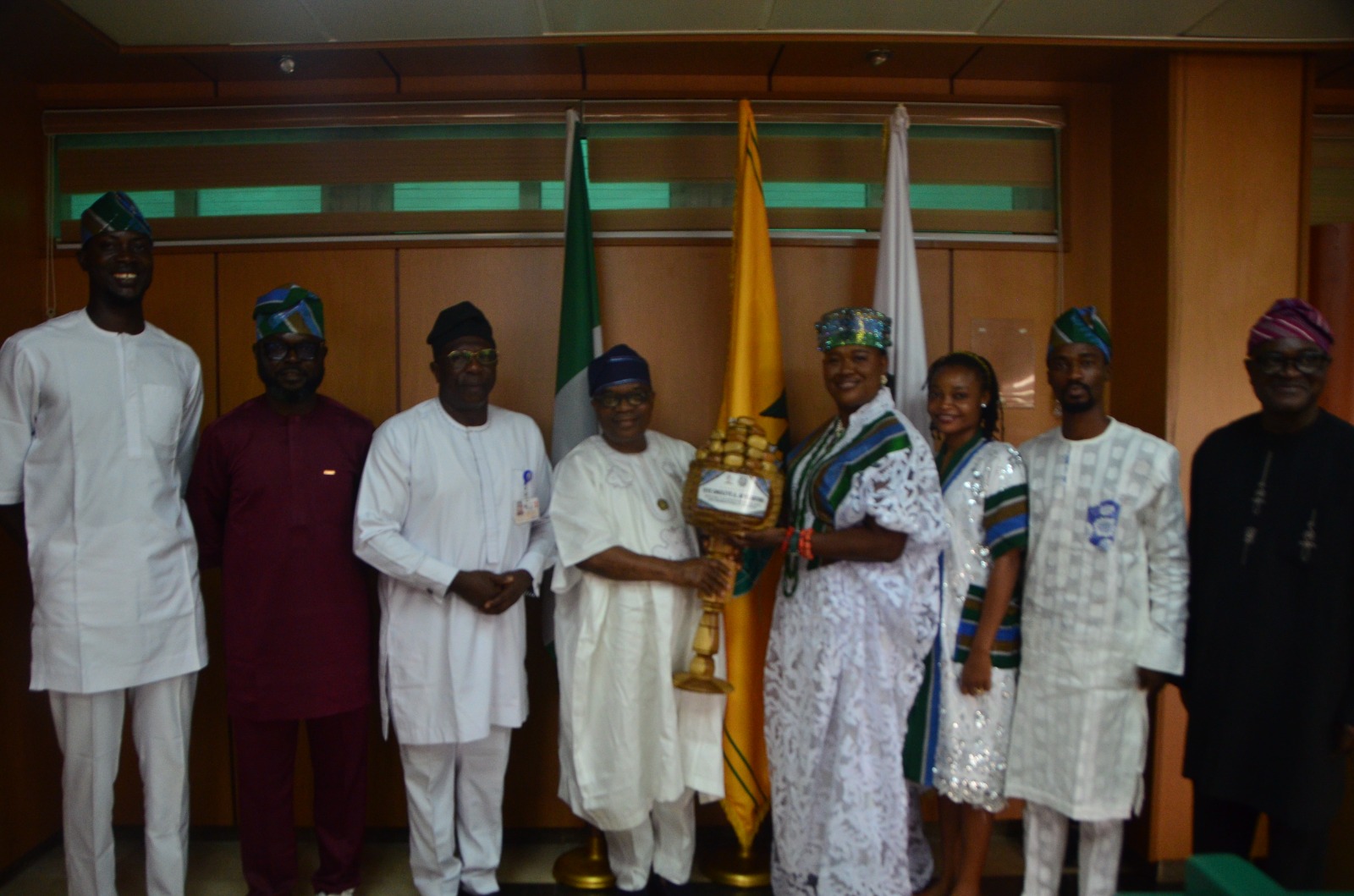
Enikanolaiye noted that Nigeria’s creative industry was driven largely by talented citizens who often operated with little or no government support.
He said President Bola Tinubu’s administration was committed to repositioning the sector to unlock its economic potential and expand its contribution to national development.
The minister disclosed that preparations were underway for CANTEX, an upcoming cultural festival in Lagos, and urged the IOOGF delegation to participate in the initiative to showcase Nigerian creativity to a wider audience.
He also raised concerns about piracy and weak intellectual property protection, warning that inadequate safeguards could deny artists and other creative professionals the benefits of their work.
Enikanolaiye stressed that creators must be able to earn from their intellectual property if Nigeria’s creative industry was to attract investment and achieve sustainable growth.
Earlier, the Chairman of the Local Organising Committee of the 2026 Ileya Omo-Okun Festival, Mr Richard Akefe, said the event was designed to preserve and promote Okun cultural heritage while celebrating excellence, creativity and community development.
He listed the festival’s activities to include the Iya ni Wura Award, which recognises motherhood; the Ogo Okun Trailblazer Award; the Omidan Oge beauty pageant; the Okun Super Cooking Competition; and the Zeetia Cares empowerment programme.
The festival’s convener, Yeye Omoleye Adebanji Aiyelabowo, said she hoped to take Okun culture beyond its traditional boundaries and develop the Okun identity into a globally recognised brand.
She congratulated Enikanolaiye on his appointment as Minister of State for Foreign Affairs, describing him as a source of pride to his community and Nigeria.