

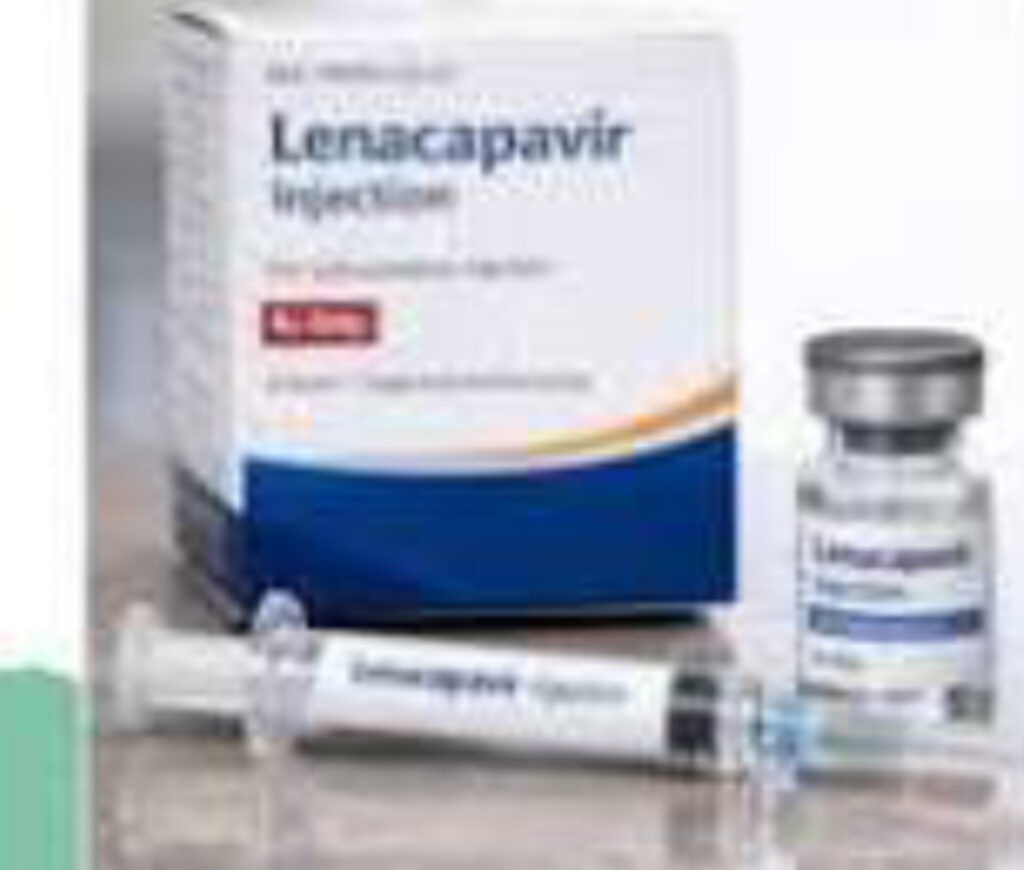

Nigeria’s rollout of a twice-yearly HIV prevention injection is facing supply and distribution challenges, with reported stockouts in four states raising concerns about access to the new intervention.
The shortages have been reported in Benue, Kwara, Gombe and Cross River, even as health officials in Lagos have indicated that supplies remain available but uptake is relatively low.
The contrasting experiences have renewed calls for improved supply planning, distribution and public awareness as Nigeria expands access to Lenacapavir, a long-acting drug that can help prevent HIV infection.
Policy analyst Lemmy Ugegbe, in the latest edition of The Policy Room, said the early experience showed that introducing a medical breakthrough was not enough without a system capable of delivering it to those who needed it.
Nigeria began a phased rollout of Lenacapavir in March 2026, following the World Health Organisation’s recommendation of the drug as an additional HIV prevention option in July 2025.
The country received an initial consignment of 11,520 doses, with the programme introduced through selected locations rather than made immediately available nationwide.
Lenacapavir is administered once every six months for HIV prevention, offering an alternative to daily oral pre-exposure prophylaxis, commonly known as PrEP.
Ugegbe said the less frequent dosing schedule could make HIV prevention more convenient for people who struggle with daily medication or have concerns about privacy and stigma.
However, he warned that the benefits could be undermined if eligible people were unable to obtain the injection when they needed it.
“The challenge is not simply obtaining an innovative medicine. It is planning, forecasting and distribution,” he argued.
Ugegbe said the reported stockouts should not automatically be interpreted as evidence of a nationwide shortage, noting that the National Agency for the Control of AIDS had cautioned against generalising shortages in individual states.
He said the differing experiences across states pointed to the need for better demand forecasting and a distribution system responsive to local needs.
In locations where supplies have run out, he said, health authorities should establish clear replenishment arrangements to prevent prolonged interruptions.
In areas where uptake remains low despite available supplies, he called for stronger public education to help eligible people understand the drug’s benefits and how to access it.
He also urged the government and its partners to adequately fund logistics, storage, transportation and delivery to participating facilities.
Ugegbe said Nigeria should use the early rollout to identify weaknesses before expanding access, adding that regular updates on availability, replenishment and programme expansion would help strengthen public confidence.
The country is expected to receive approximately 179,700 doses by 2028, according to reports on planned supplies for the programme.
Ugegbe said the anticipated expansion made it important for authorities to establish measurable targets for supply availability, uptake and equitable distribution.
He stressed that Lenacapavir was a prevention option for eligible HIV-negative people and was not a vaccine or treatment for people already living with HIV.
He said the programme’s success would depend on ensuring that eligible Nigerians could access the injection reliably at participating facilities.
“The true measure of medical innovation is not merely that it exists. It is whether the people who need it can actually access it,” he said.
The rollout has highlighted two distinct challenges for Nigeria: preventing supply shortages in high-demand locations and improving uptake where doses remain available.