


By Ishaq Dan-Imam, Lokoja
The Christian Blind Mission (CBM Nigeria) and the Sustainable Family Healthcare Foundation (SFHF) have strengthened efforts to improve flood preparedness in Kogi State, training disaster management stakeholders on inclusive emergency response as water levels rise.
The three-day training, which ended on Friday, assessed the state’s disaster preparedness framework and equipped participants with strategies to protect vulnerable communities, particularly persons with disabilities, during floods and other emergencies.
The workshop brought together officials of emergency management agencies, humanitarian organisations, volunteers and other stakeholders involved in disaster risk reduction across the state.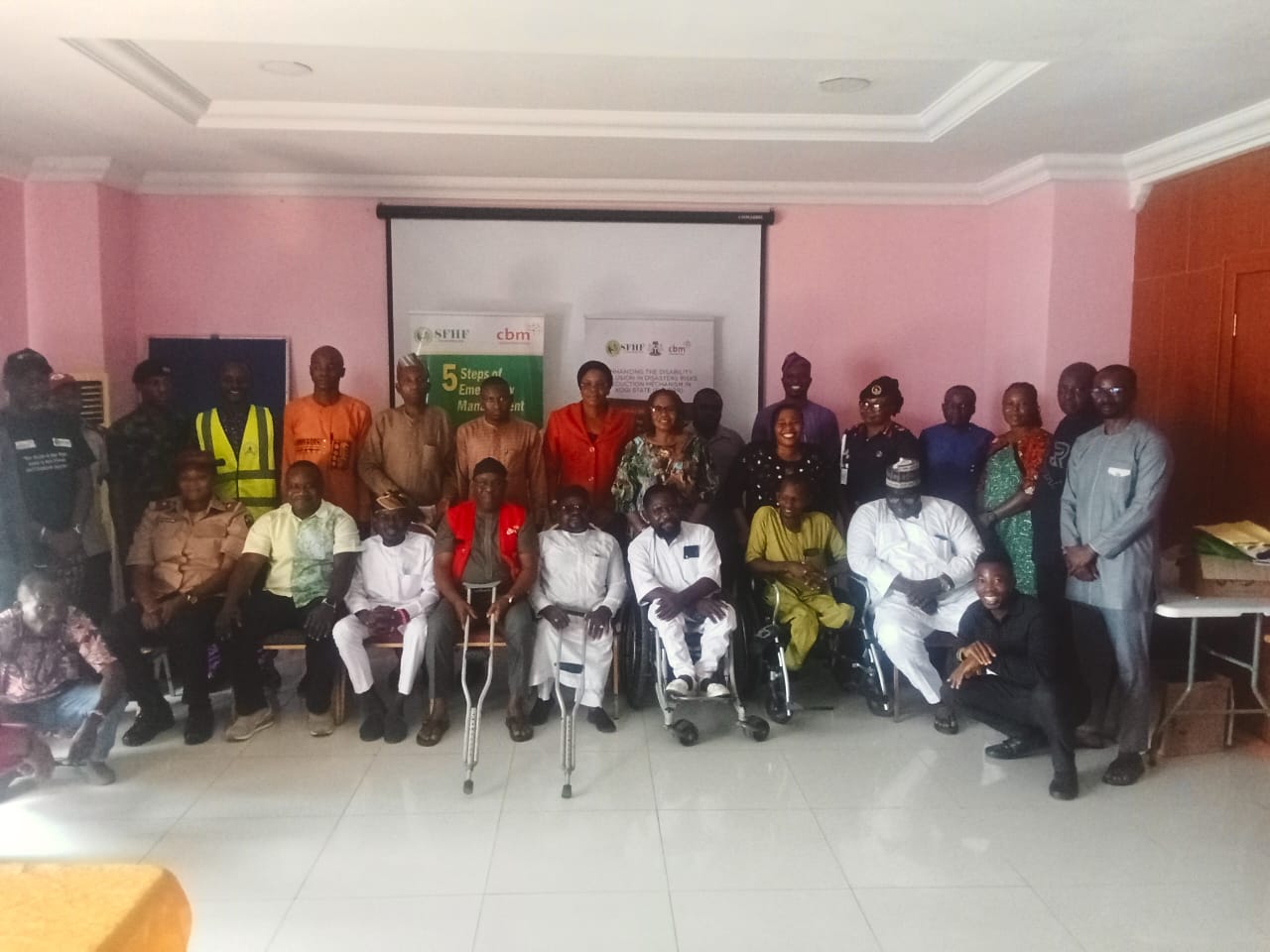
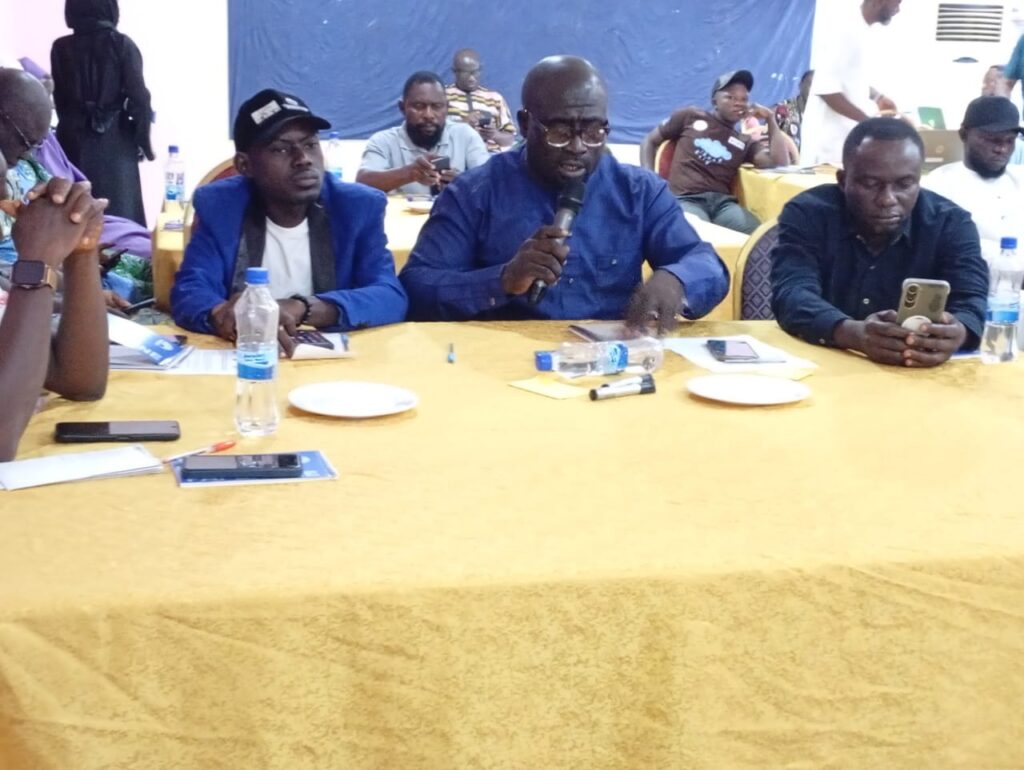
Speaking at the event, CBM Nigeria’s Programme Manager, Mr Michael Ida, said disaster managers had a humanitarian responsibility to plan ahead, protect vulnerable residents and provide adequate support to flood survivors.
He called for increased political commitment, adequate budgetary allocations, effective community engagement and improved mobilisation of resources to strengthen disaster preparedness and response.
Ida identified funding shortages, coordination gaps and limited government support as challenges confronting emergency management in the state. However, he said these difficulties should not excuse poor disaster response.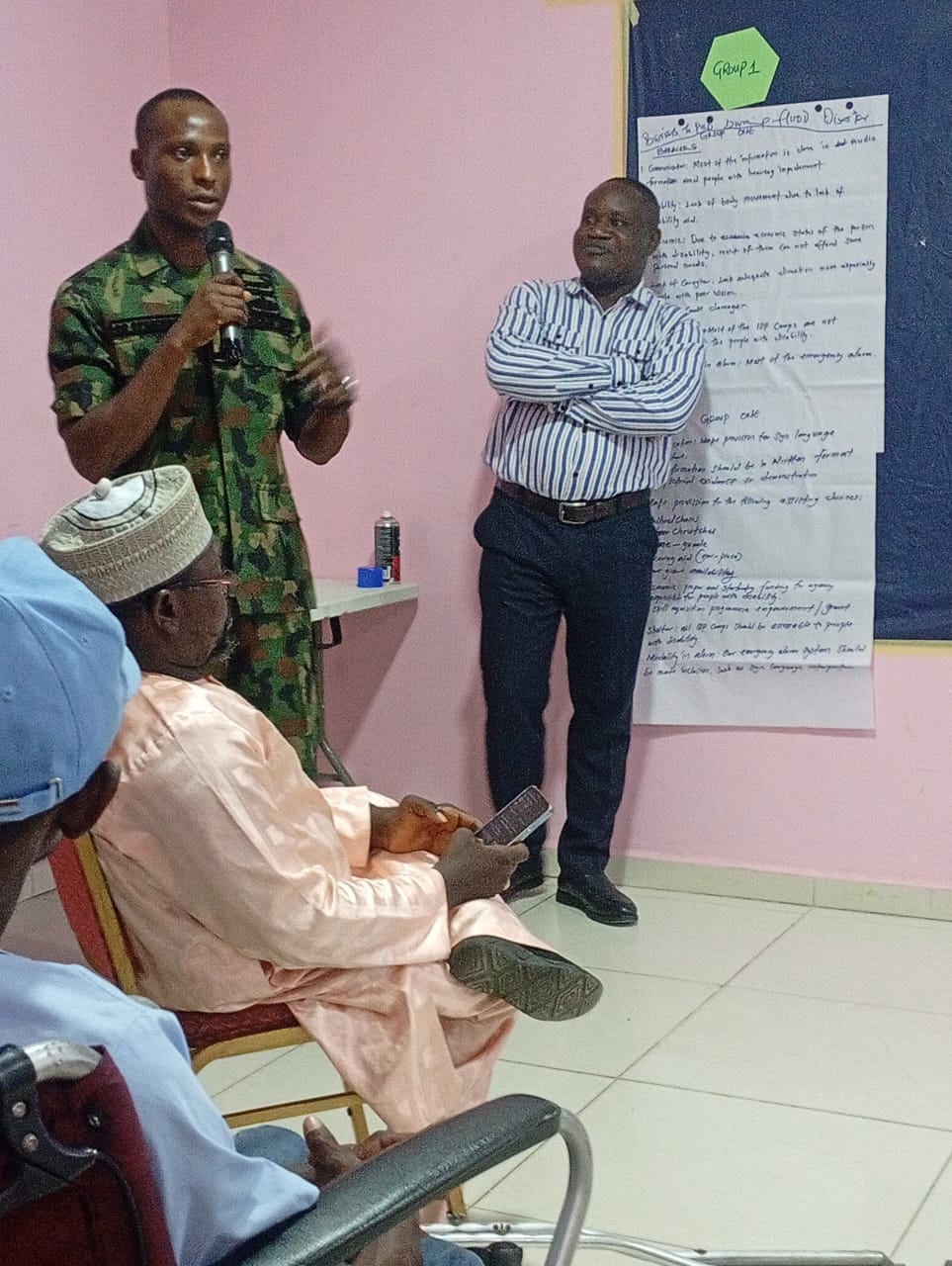
According to him, CBM and other international organisations are willing to invest more in disaster risk reduction in Kogi if the government and relevant agencies demonstrate the commitment and establish administrative structures needed to ensure effective coordination and resource allocation.
He urged emergency responders to develop strategic action plans, conduct community needs assessments and strengthen search-and-rescue operations before disasters occur.
Ida also stressed the importance of psychosocial support for flood survivors, urging participants to improve collaboration and operational efficiency in their respective communities.
Participants highlighted early-warning systems, public awareness and inter-agency coordination as essential components of effective disaster management.
SFHF launched its Disability-Inclusive Disaster Risk Reduction (DiDRR) project in Kogi earlier this year to help vulnerable communities and persons with disabilities improve their safety and resilience during emergencies.
The Kogi State Chairman of the Joint National Association of Persons with Disabilities (JONAPWD), Mr Ibrahim Daniel Arome, said people with disabilities faced significant barriers during disasters.
He identified inaccessible emergency facilities, the loss or unavailability of assistive devices and the lack of sign-language interpretation and audio-based early warnings as major challenges.
Arome’s concerns underscored the need for emergency response plans that account for the specific needs of persons with disabilities rather than adopting a one-size-fits-all approach.
Organisations represented at the training included the Nigerian Red Cross Society, Kogi State Emergency Management Agency (SEMA), the state Ministry of Humanitarian Affairs, health and environmental authorities, the Nigerian Navy, the Nigeria Security and Civil Defence Corps (NSCDC), the Federal Road Safety Corps (FRSC) and NSS Lugard.
The sessions featured simulations, practical exercises and group discussions on disaster management challenges, operational strategies, community resilience and innovative rescue techniques.
Participants expressed their readiness to strengthen collaboration and coordination among agencies to improve emergency preparedness and humanitarian response.
Representing the Red Cross, Mr Danjuma A. Usman, a member of its regional disaster response team for West and Central Africa, urged stakeholders to understand the humanitarian situation in affected communities before drawing conclusions about the distribution of relief materials.
He also addressed concerns over alleged diversion of palliatives, stressing the need for transparency and accountability in relief operations.
Usman urged disaster responders to prioritise humanitarian service over financial considerations and develop the technical knowledge required for effective search-and-rescue operations.
The training comes as Kogi continues to face flood risks, highlighting the need for early action, inclusive warning systems and coordinated emergency planning to protect lives and livelihoods.