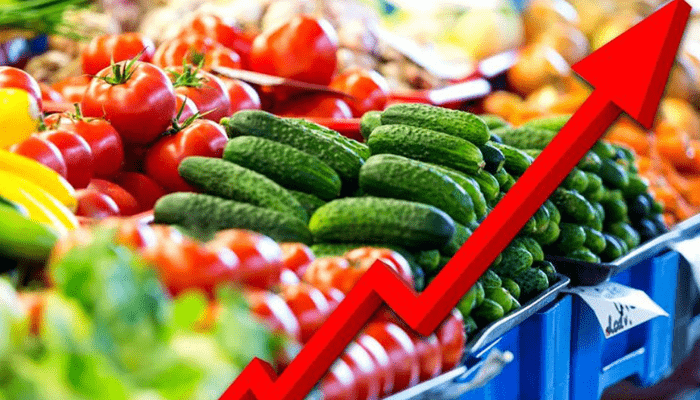
Nigeria’s inflation rate rose to 15.38% in March 2026, slightly higher than the 15.06% recorded in February, according to the latest data from the National Bureau of Statistics (NBS). The increase reflects rising costs across both urban and rural areas, with households continuing to feel the impact of higher prices on essential goods and services.
The Consumer Price Index (CPI), which tracks changes in the cost of living, climbed to 135.4 in March, up from 130.0 the previous month. This represents a month-on-month inflation rate of 4.18%, a sharp increase from February’s 2.01%, signaling growing short-term price pressures in the economy.
A closer look reveals differences between urban and rural inflation trends. Urban areas recorded a year-on-year inflation rate of 14.64%, with a month-on-month rate of 3.16%, up from 2.55% in February. Rural communities, however, experienced higher price pressures, with a year-on-year rate of 17.22% and a steep month-on-month increase of 6.73%, compared to just 0.71% in February. These figures suggest that food and transportation costs in rural regions are rising faster than in cities.
The twelve-month averages further highlight the persistent inflationary pressures across the country. The headline CPI averaged 20.05% over the year ending March 2026, up from 18.58% in the previous twelve months. Urban inflation over the same period stood at 20.04%, slightly lower than the 20.10% recorded in March 2025, while rural inflation averaged 19.74%, a notable rise from 16.81% the previous year.
Economists warn that the ongoing inflation, particularly in rural areas, could strain household budgets and increase the cost of living if unchecked. The government, meanwhile, continues to pursue tax reforms and fiscal measures aimed at stabilizing prices, improving non-oil revenue, and supporting overall economic growth.
Nigeria’s Inflation Rises to 15.38% in March 2026