


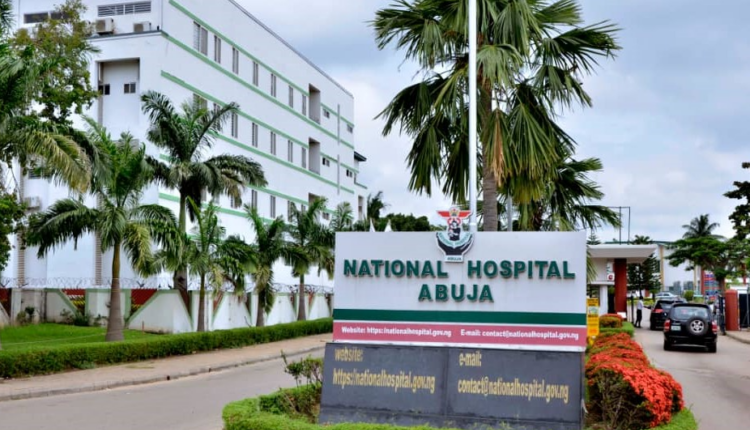
The Federal Government has launched an investigation into reported deaths and severe reactions allegedly linked to Fortcef Injection, an antibiotic administered to patients at the National Hospital, Abuja, and other healthcare facilities.
The probe, being coordinated by the National Agency for Food and Drug Administration and Control, followed reports of serious adverse reactions after patients received the ceftazidime-based injection.
The development came after a female whistleblower, who identified herself as Nurse Lucy, alleged in a viral video that four patients died at the National Hospital after receiving the drug.

The hospital, however, put the number of deaths linked to the drug at two, while NAFDAC said three fatalities had so far been reported across multiple healthcare facilities.
In a safety communication dated September 14, NAFDAC said it had received reports of acute reactions following the administration of Fortcef Injection.
The reported symptoms included vomiting, chest pain, confusion, loss of consciousness, restlessness, gasping, flaccidity and unresponsiveness.
Two batches of the drug — PFZIE001 and OFZIE001 — have so far been implicated in the cases under investigation.
An internal clinical surveillance memo from the National Hospital, Abuja, dated September 10, said two adult patients died after receiving Fortcef Injection procured from outside the hospital.
According to the memo, the patients had been relatively stable before receiving the drug on August 24 and September 9 respectively.
The hospital subsequently directed its clinicians to intensify monitoring of patients receiving ceftazidime brands sourced from outside the facility, particularly Fortcef Injection 1g, batch PFZIE001.
The affected batch was manufactured in May 2025 and has an expiry date of April 2028.
The hospital said the suspected serious adverse drug reactions had been reported to NAFDAC through its Pharmacovigilance Committee.
Fortcef Injection contains 1g of ceftazidime, a third-generation cephalosporin antibiotic used to treat serious bacterial infections.
NAFDAC’s investigation is expected to determine whether the reported deaths and adverse reactions were caused by the implicated batches and establish the source and safety status of the product.
