


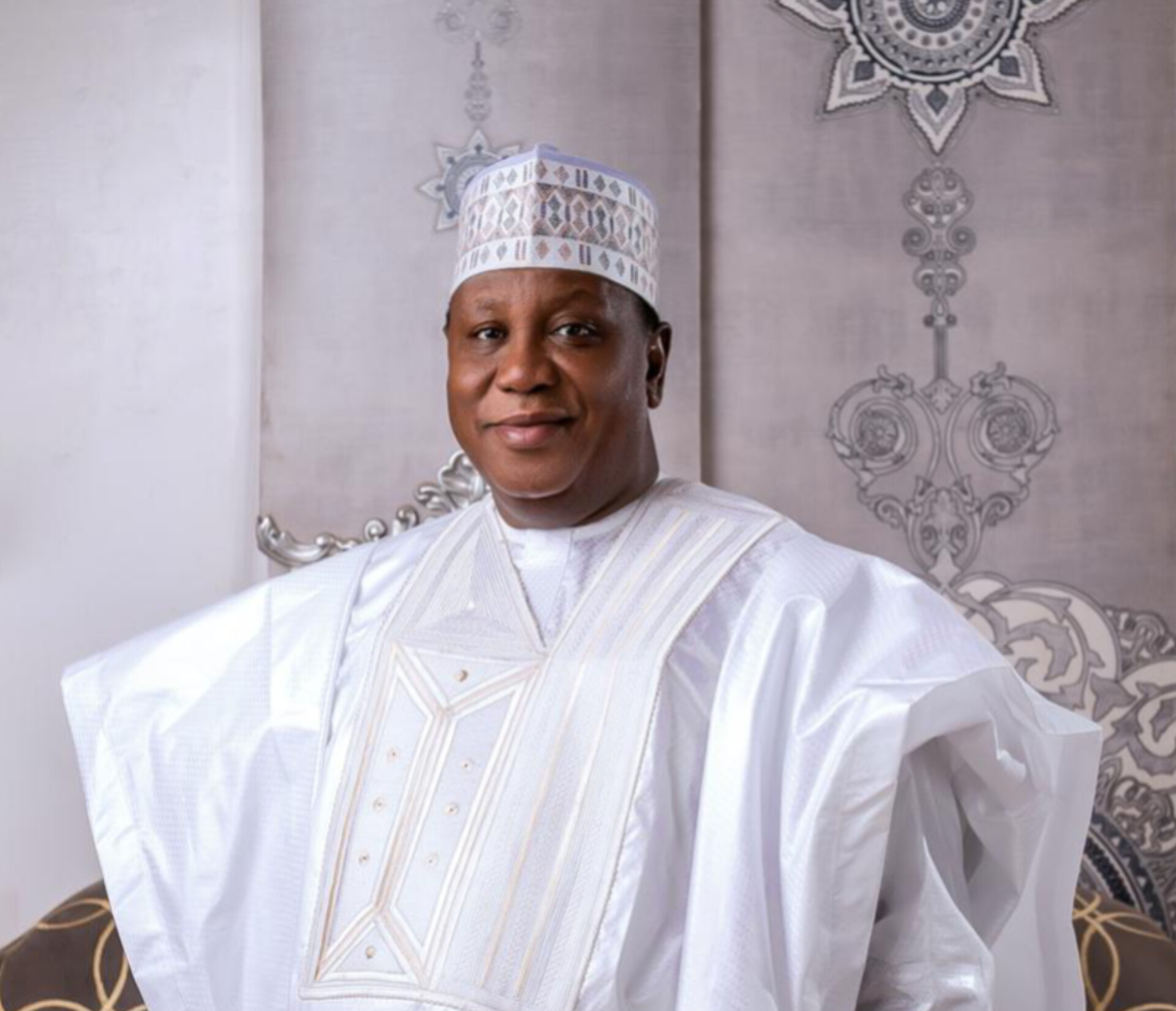
Professor Abdulkadir Usman Junaidu has emerged as the new Provost of the College of Veterinary Surgeons of Nigeria (CVSN), promising to reposition the institution as a more innovative, professionally competitive and globally recognised centre for specialist veterinary training.
Junaidu, a Professor of Veterinary Public Health at Usmanu Danfodiyo University, Sokoto, was elected by Fellows of the College in an election whose outcome was announced in Abuja by the Electoral Committee chaired by Professor Caleb Kudi.
His emergence marks the beginning of a new leadership agenda centred on strengthening specialist training, expanding professional development and making veterinary expertise more responsive to Nigeria’s animal-health, public-health and livestock-development challenges.

Accepting the mandate, Junaidu said his election was not simply a personal achievement but a responsibility shared by all Fellows to build a stronger institution.
He identified the modernisation of postgraduate and residency programmes as one of the priorities of his administration, alongside stronger research, innovation, digital transformation and evidence-based veterinary practice.
The new Provost also pledged to deepen partnerships between the College, universities, government institutions, professional bodies and international organisations to improve specialist training and expand opportunities for Nigerian veterinary professionals.
Another key area of his agenda is the development of younger professionals through continuing professional development, mentorship and stronger pathways for veterinarians aspiring to become specialists.
Junaidu said the College must also play a more prominent role in national issues involving One Health, food safety, food security, livestock transformation and the control of zoonotic diseases.
He promised to strengthen institutional governance, transparency, accountability and financial sustainability while promoting the welfare and professional interests of Fellows.
The new Provost brings to the position considerable experience in veterinary education, research, clinical practice, university administration and public service.
At Usmanu Danfodiyo University, he has held several leadership positions, including Head of Department, Deputy Dean, Dean of the Faculty of Veterinary Medicine, Director of the Veterinary Teaching Hospital, Director of the University Development Office and Provost of the College of Postgraduate Studies.
He also served as Sokoto State Commissioner for Animal Health and Fisheries Development, where he was involved in initiatives aimed at expanding veterinary services and improving livestock development.
Among the programmes associated with his public-service tenure were the expansion of veterinary coverage across the state’s 26 local government areas and 87 districts, improvement of disease surveillance and vaccination, strengthening of veterinary infrastructure and development of artificial insemination and embryo-transfer programmes.
His administration also supported the development of a liquid nitrogen-equipped Artificial Insemination and Embryo Transfer Centre and secured land and approvals towards establishing a Veterinary Specialist Hospital.
Following his election, Junaidu called for unity among Fellows, urging those who contested or supported different candidates to put the electoral contest behind them.
He thanked his teachers, mentors, senior colleagues, contemporaries and younger Fellows for their support, as well as the Electoral Committee for conducting the election.
Junaidu said he would work closely with the Deputy Provost, Professor Olufunke Eunice Ola-Davies, the College’s governing structures, Faculties, Fellows and other stakeholders to deliver his agenda.
“The election is over, and the responsibility of building our College belongs to all of us,” he said, pledging to lead with humility and a strong sense of responsibility.
He added that his administration would be open to constructive ideas and partnerships, stressing that the College’s strength lies in the collective knowledge, experience and commitment of its Fellows.
With the new leadership, the CVSN is expected to place greater emphasis on modern specialist training, professional excellence and the strategic role of veterinary medicine in Nigeria’s public health, food systems and livestock economy.
