

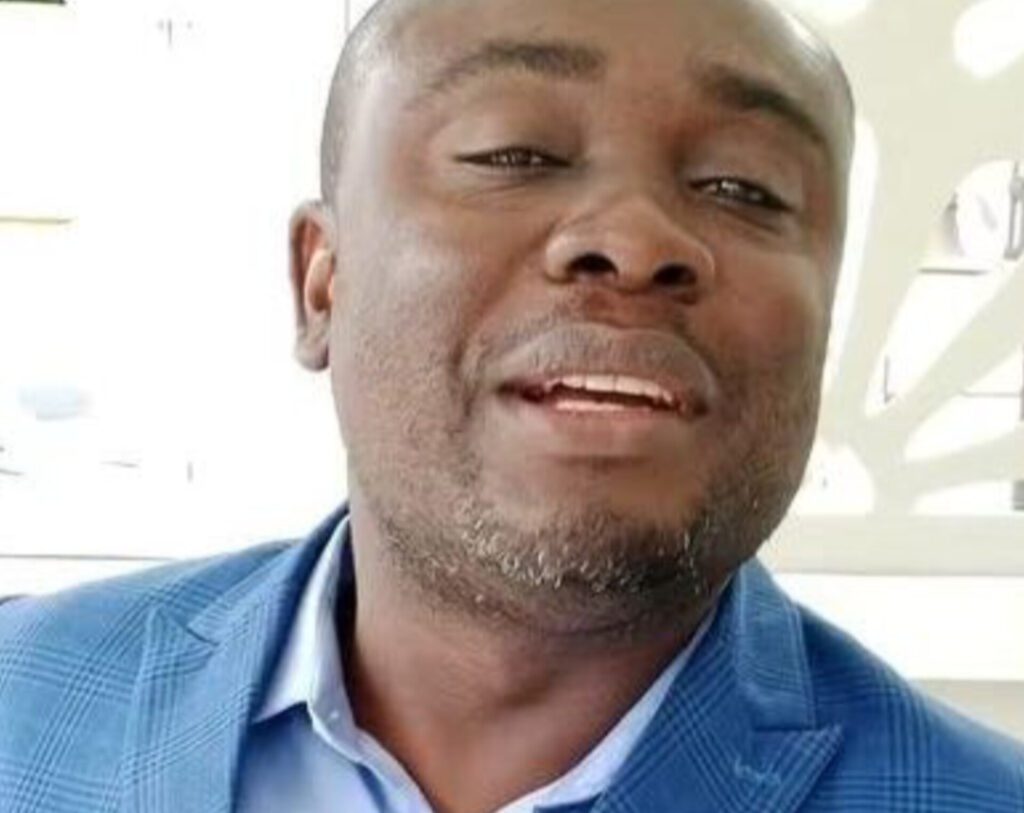
Relief and renewed concerns over press freedom have followed the release of Kogi-based journalist and publisher of Kogi Reports, Mr. Ope Owoeye, after his detention by operatives of the Nigeria Security and Civil Defence Corps (NSCDC).
Owoeye regained his freedom late Thursday night after spending several hours in custody, ending an incident that drew swift condemnation from journalists, civil society groups and media rights advocates across the state.
Speaking after his release, the publisher confirmed that he was discharged at about 10 p.m. but disclosed that he had been directed to return to the NSCDC office on Monday for further engagement.
The journalist alleged that his arrest stemmed from a report published by his online platform on the conduct of a recent political primary in Yagba Federal Constituency. He argued that any dissatisfaction with the publication should have been addressed through lawful and professional channels rather than through detention.
The arrest immediately triggered reactions from media stakeholders, with many describing it as an attempt to intimidate journalists and discourage independent reporting.
The Nigeria Union of Journalists (NUJ), alongside several civil society organisations, voiced concern over the development, warning that actions perceived as harassment of media practitioners pose a threat to freedom of expression and democratic accountability.
Advocacy groups also urged public officials and security agencies to respect the constitutional role of the media and embrace established legal processes in resolving disputes arising from news reports.
As debate over the incident continues, media observers say the case underscores the need to safeguard press freedom and protect journalists from actions capable of undermining their professional independence.
Although Owoeye’s release has been widely welcomed, attention is now focused on the next phase of the matter as he prepares to honour the NSCDC invitation on Monday.
The incident has further reignited conversations about the relationship between public office holders, security agencies and the media, with stakeholders insisting that a free and independent press remains essential to democratic governance.