

Nigeria’s sweeping financial reforms under President Bola Ahmed Tinubu have earned international recognition, as the Financial Action Task Force (FATF) formally removed the country from its grey list after two years of intensive corrective measures.
The global anti-money laundering watchdog, at its October 2025 Plenary in Paris, announced Nigeria’s delisting, citing the country’s full implementation of the FATF Action Plan and strengthened systems to combat money laundering and terrorist financing.
The Nigerian Financial Intelligence Unit (NFIU) led the nationwide effort, working closely with the Office of the Attorney-General of the Federation, the Ministry of Finance, and other key agencies including the Central Bank of Nigeria, the EFCC, ICPC, the Police, and the Nigeria Customs Service.

President Tinubu welcomed the news as a “strategic victory” for Nigeria’s economy and a validation of his administration’s transparency and reform agenda.
“The exit from the FATF grey list marks the beginning of a new chapter in our financial reform journey,” Tinubu said. “We will sustain these institutional reforms and deepen collaboration to build a financial system Nigerians and the world can trust.”
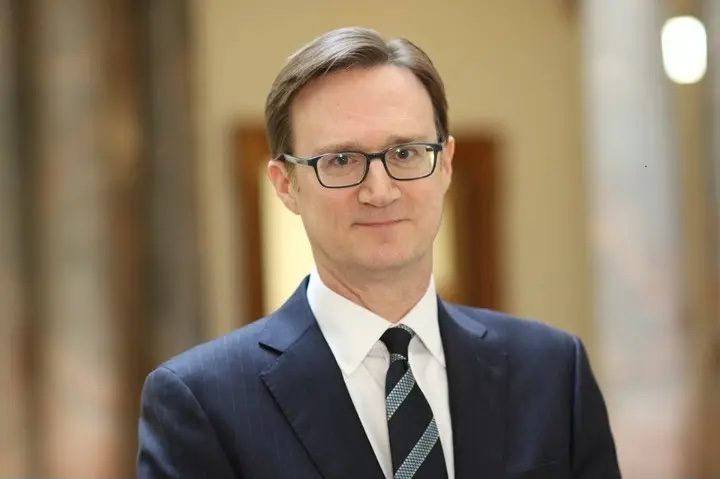
The British High Commissioner to Nigeria, Richard Montgomery, also hailed the milestone, describing it as “brilliant news” that reflects Nigeria’s strong commitment to reform.
“This development opens new opportunities for trade and investment,” Montgomery wrote on X.
Nigeria had been placed on the FATF grey list in 2023 for deficiencies in its anti-money laundering and counter-terrorism financing framework. Its removal now positions the country for improved investor confidence, smoother global financial transactions, and renewed credibility in international financial circles.
Tinubu commended the Director of the NFIU, Hafsat Abubakar Bakari, for her team’s professionalism and diligence, saying their work “earned Nigeria global recognition in the fight against financial crimes.”
1 Comment
8jqo8s