



By Ahmed Rufa’i, Dutse
Stakeholders in Jigawa State have urged the government to establish a Child Nutrition Trust Fund to better coordinate resources, attract private sector and philanthropic support, and tackle the state’s worsening malnutrition crisis—where more than half of children under five (55.7%) are stunted.
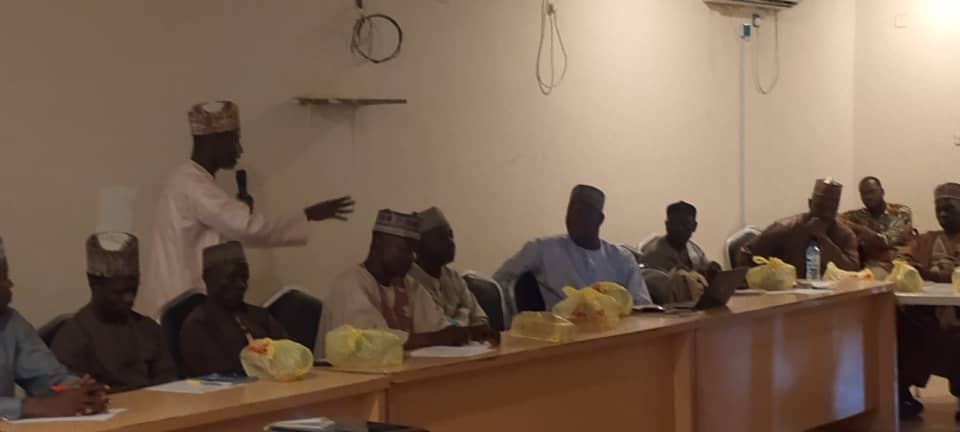
The call came in a communiqué issued at the close of a one-day breakfast meeting on the adoption of a Child Nutrition Fund (CNF) and the implementation of six-month paid maternity leave. The meeting, held at Tahir Guest Palace, Dutse, was jointly organised by the Civil Society Scaling-Up Nutrition in Nigeria (CS-SUNN) and UNICEF.
Communiqué chair Dr. Abdullahi Umar Namadi described the situation as alarming, citing the 2023 Nigeria Demographic and Health Survey (NDHS):

“In Jigawa, 55.7% of children under five are stunted, 41.9% are underweight, and 13.2% are wasted,” the communiqué noted.
Participants emphasized that child stunting is closely linked to poor brain development and lower productivity in adulthood.
To address this, they called on policymakers to implement six-month maternity leave with pay for women of reproductive age to promote exclusive breastfeeding—described as “the cheapest and most effective prevention of child malnutrition.”
The meeting also urged the creation of creches and breastfeeding rooms in all ministries, departments, agencies (MDAs), and private organizations to support working mothers. While acknowledging existing investments in nutrition by the state government and House of Assembly, stakeholders criticized the delayed and inadequate release of nutrition budgets.
Additional recommendations included appointment of nutrition desk officers in all MDAs for effective program coordination, launch of grassroots sensitization campaigns to dispel myths about exclusive breastfeeding, Guaranteeing job security and supportive workplaces for nursing mothers.
The other recommendation is to strengthen, monitor and evaluate systems for nutrition initiatives, including the proposed six-month maternity leave.
Stakeholders concluded that without urgent action and sustainable funding mechanisms, Jigawa risks long-term socioeconomic consequences from the state’s high malnutrition burden.
