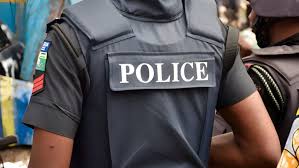

The streets of Rano remain tensed days after a violent mob descended on the local police division, leading to the death of Chief Superintendent of Police (CSP) Baba Ali Mohammed — a senior officer whose name had once been etched into public memory for the wrong reasons.
CSP Baba Ali was reportedly beaten by angry youths during a protest sparked by the custodial death of Abdullahi Musa, a 25-year-old motorcycle mechanic arrested for reckless riding. What began as a call for justice escalated into chaos, leaving the Rano Police Division in ruins and the CSP fatally injured.
But this is not just another case of mob violence. It is a haunting circle of tragedy, rooted in a deeper, more uncomfortable truth: CSP Baba Ali was once at the center of a high-profile police brutality case.
In 2020, while serving as Divisional Police Officer in Bauchi State, Baba Ali oversaw the detention and torture of three young men — Ibrahim Babangida, Ibrahim Samaila, and Abdulwahab Bello — accused of stealing chickens. Two of them died from their injuries. The third survived but was left permanently maimed. In a landmark judgment, the Federal High Court in Bauchi awarded ₦210 million in damages to the victims’ families, citing a gross violation of their constitutional rights.
Yet despite that ruling, CSP Baba Ali remained in active service, eventually transferred to Kano and put in charge of the Rano Division. His continued rise through the police ranks has been held up by activists as a symptom of Nigeria’s deeply flawed system of police accountability.
“This is a tragedy that mirrors a broken system,” said Hauwa Musa, a rights activist based in Kano. “Yes, the mob violence is unacceptable. But we must ask: How did someone found liable for torture and deaths continue wearing the uniform?”
The Police Community Relations Committee (PCRC) and civil society groups have condemned both the mob attack and the systemic failures that contributed to the growing mistrust between police officers and the communities they serve.
So far, 27 suspects have been arrested in connection with the mob violence, while the Kano State Police Command has vowed to investigate not only the attack but also the circumstances surrounding Abdullahi Musa’s death in custody.
Meanwhile, the families of Musa, Babangida, and Samaila find themselves entangled in a web of grief, injustice, and historical irony — one where justice has always seemed reactive, never preventive.
As Nigeria grapples with the dual tragedy of a young man dying in custody and a senior officer lynched in revenge, the events of Rano have become a stark symbol of the urgent need for police reform — not as political rhetoric, but as a life-and-death imperative.