


***CJN Demands Integrity from New Judges
The Nigerian judiciary came under intense scrutiny Monday as former Kaduna State Governor Mallam Nasir El-Rufai accused judges and lawyers of perpetuating corruption and undermining public trust in the justice system.
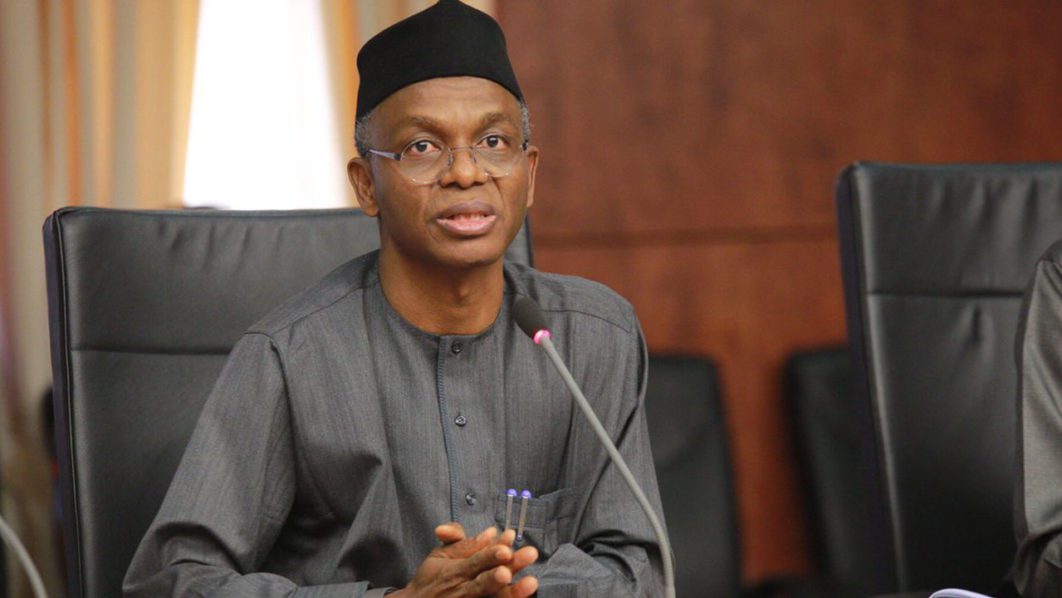
Delivering a searing keynote address at the Nigerian Bar Association (NBA) Bwari Branch Law Week in Abuja, el-Rufai said Nigeria’s courts have become tools in the hands of the powerful, often serving vested interests rather than the rule of law.

“Our judiciary—once seen as the last hope of the common man—is now increasingly viewed with suspicion,” he declared. “From delayed rulings to the blatant abuse of ex parte orders and a disturbing trend of forum shopping, the system is seen as skewed in favour of the wealthy and politically connected.”
The former governor didn’t mince words, describing the state of justice in Nigeria as one where law is administered, but justice is denied. “The public perception is damning: justice is for sale—and only the rich can afford it,” he warned.
El-Rufai challenged members of the legal profession to reclaim their role as agents of truth and accountability. “Lawyers must rise as custodians of conscience and lead the fight to restore integrity in our judicial process,” he said in his keynote titled “Lawyers as Agents of Change: Navigating Economic Reforms, Judicial Policy, and Contemporary Issues.”
While el-Rufai’s remarks drew applause from sections of the legal community, they also underscored the urgency of reforms within the judiciary.
In a separate but timely intervention, Chief Justice of Nigeria (CJN), Justice Olukayode Ariwoola—represented by Justice Kudirat Kekere-Ekun—delivered a powerful charge to newly appointed magistrates and judges of the lower courts during their induction ceremony organized by the National Judicial Institute (NJI) in Abuja.
She urged the new officers to be guided by integrity, speed, and fairness in all judicial matters, noting that their elevation was a vote of confidence in their ability to deliver impartial justice.
“Justice must not only be done but must be seen to be done—promptly, professionally, and without prejudice,” Justice Kekere-Ekun said. “Despite efforts to reform the system, public confidence continues to wane due to judicial delays and perceived bias.”
She advocated for the adoption of tools like the Nigeria Case Management System (NCMS), Alternative Dispute Resolution (ADR), and sentencing guidelines to enhance judicial efficiency and transparency.
Drawing from her own journey as a former magistrate, the CJN emphasized the need for judges to remain socially conscious and deliver decisions that are both legally sound and ethically upright. “Your rulings must reflect not just legal accuracy but also social justice,” she said.
Also, speaking at the event, NJI Administrator, Hon. Justice Salisu Abdullahi urged the new magistrates to embody fairness, impartiality, and professionalism in their judicial responsibilities.
The back-to-back messages—one a scathing critique, the other a moral charge—paint a picture of a judiciary at a crossroads: challenged from within and without, but still holding the promise of reform and redemption.

1 Comment
Can you be more specific about the content of your article? After reading it, I still have some doubts. Hope you can help me.