


Millions of Nigerian girls are losing their chances of education, economic independence and leadership to child marriage, with Catholic Sisters warning that the country risks sacrificing an entire generation if the practice is not urgently confronted.
The Coalition of Catholic Sisters, under the Africa Faith and Justice Network-Nigeria, said an estimated 23.7 million Nigerian girls and women had been affected by child marriage, placing the country among the three nations with the highest number of child brides globally.
The coalition warned that the consequences went beyond early marriages, as thousands of girls were pushed out of school, denied opportunities for personal development and forced into adult responsibilities before they were physically and emotionally prepared.


It therefore called on governments, parents, religious institutions, traditional rulers and community leaders to stop treating child marriage as a private family or cultural matter and recognise it as a serious violation of children’s rights.
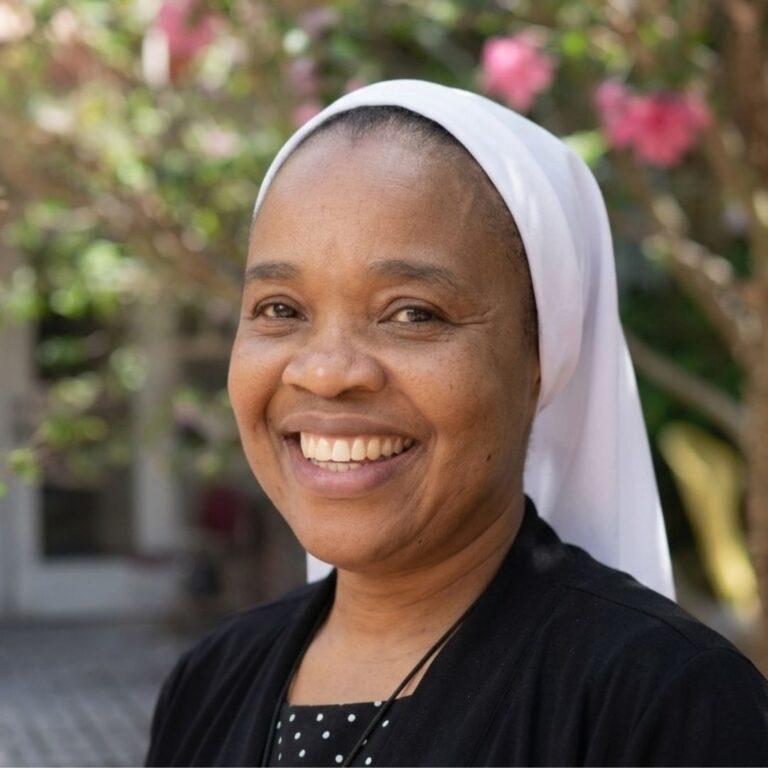
The warning was contained in a November statement by the Women Empowerment Project Coordinator of the Africa Faith and Justice Network, Sr. Eucharia Madueke, SNDdeN.
Citing figures attributed to the 2024 Nigeria Demographic and Health Survey, Madueke said approximately one in three Nigerian girls, representing more than 33 per cent, was married before the age of 18, while over 11 per cent entered marriage before turning 15.
She said the figures represented millions of childhoods interrupted and opportunities lost to a practice that continued to undermine the development of girls and the country at large.
“Our children are not for marriage. They deserve a childhood, an education, and a future filled with hope,” she declared.
Madueke said the coalition’s grassroots engagements had exposed the devastating effects of early and forced marriage, particularly the loss of educational opportunities and the pressure placed on girls to assume responsibilities beyond their years.
She insisted that no cultural practice, family arrangement or individual interest should override a child’s right to education, dignity and personal development.
The Catholic Sisters also questioned the effectiveness of existing interventions, arguing that government policies, legislation and public campaigns had yet to deliver the level of protection required to keep vulnerable girls out of early marriages.
According to the coalition, passing laws and making public declarations would achieve little without effective enforcement, sustained political commitment and accountability at the community level.
It called for greater investment in girls’ education, stressing that keeping girls in school and ensuring they complete their education remained among the most effective ways of protecting them from early marriage.
Madueke urged parents and guardians to resist economic and social pressures that encouraged them to marry off their daughters prematurely, while challenging religious and traditional leaders to confront harmful practices within their communities.
She also called on Nigerians to report suspected cases of child marriage to relevant authorities and support efforts to protect vulnerable girls.
To demonstrate what investment in women’s education could achieve, Madueke cited Saudi Arabia’s Princess Nourah bint Abdulrahman University, described as the world’s largest women’s university.
She said Nigerian girls should have opportunities to become professionals, innovators, decision-makers and national leaders rather than have their futures determined by early marriage.
The coalition warned that Nigeria’s development ambitions would remain constrained if millions of girls continued to be denied the opportunity to acquire education, develop their talents and contribute meaningfully to society.
It pledged to sustain its advocacy, economic empowerment initiatives and community engagement to challenge child marriage, while urging governments and other stakeholders to intensify efforts towards achieving the United Nations target of ending child, early and forced marriage by 2030.
“Let us protect them today so they can lead us tomorrow,” Madueke said.