

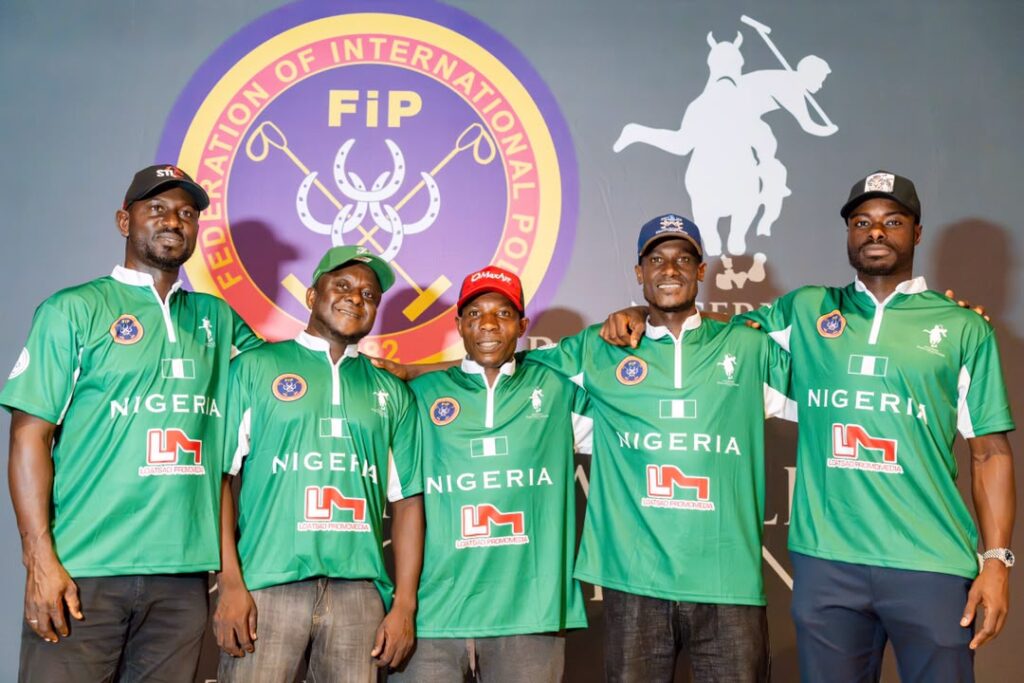

Nigeria may have missed out on qualification for the 2027 World Polo Championship, but its successful hosting of the international qualifiers has opened new opportunities for the sport in Africa.
The country’s 9-5 defeat to Pakistan ended its hopes of reaching the global tournament scheduled for February 2027 in Punta del Este, Uruguay.
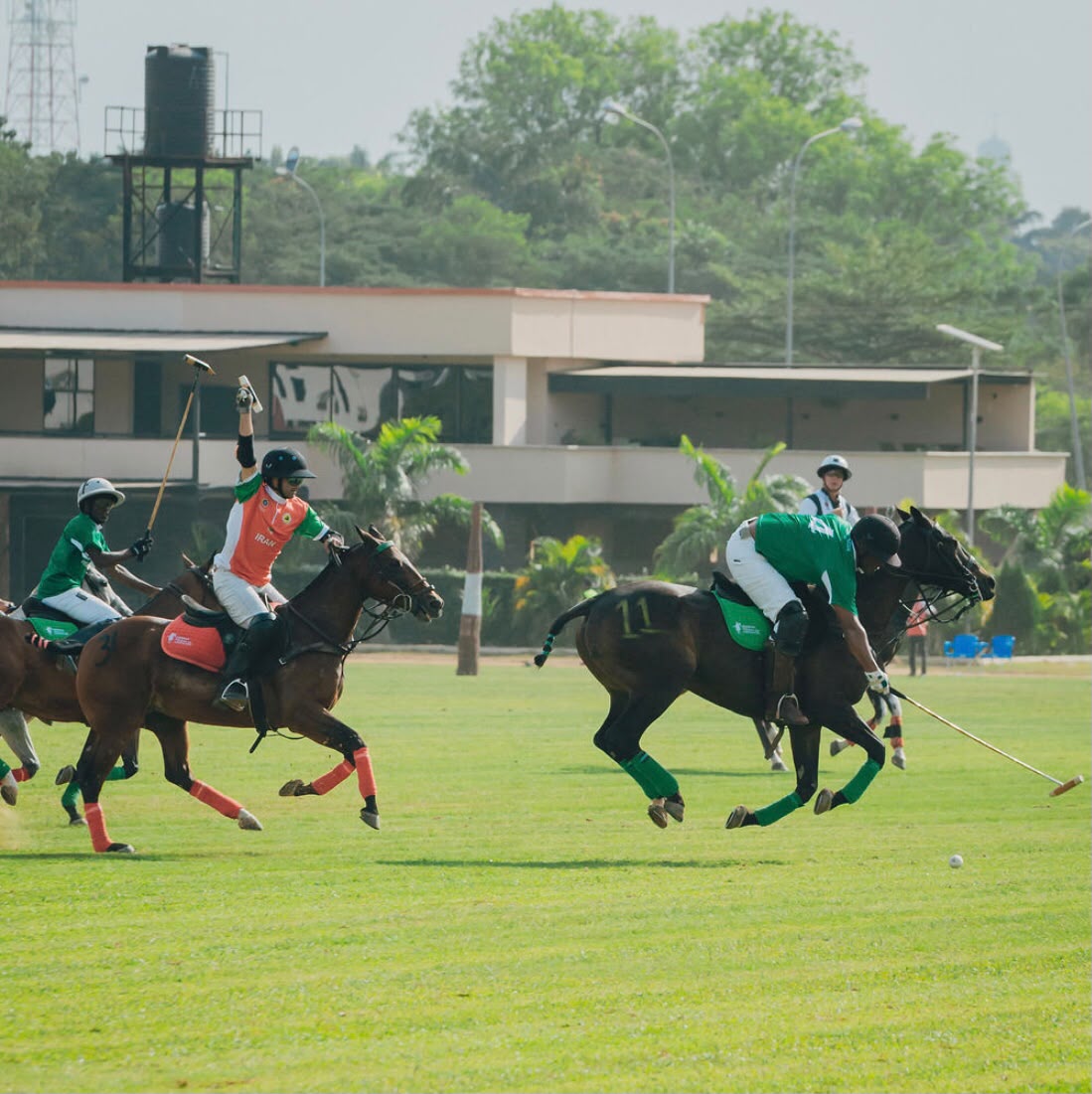
However, stakeholders believe Nigeria’s historic hosting of the Zone E playoffs could prove more significant for the future of polo than the result on the pitch.
Held at the Guards Polo Club, Abuja, from November 9 to 16, the competition featured national teams from Nigeria, India, Iran and Pakistan.


It was the first time in more than 100 years of polo in Nigeria that the country hosted an international competition of such magnitude. It was also the first time an African nation hosted the event.
National Chairman of the Nigerian Polo Association (NPA), Suleman Abubakar, described the tournament as a major breakthrough.
He said the competition exposed Nigeria’s technical weaknesses while providing valuable lessons on what it would take to compete against established polo nations.
Abubakar identified youth development as the most urgent priority, noting that several players from India and Pakistan were in their twenties but already demonstrated remarkable technical skills.
He said the association would encourage clubs across Nigeria to establish stronger youth development programmes.
According to him, building a pipeline of young players is essential if Nigeria hopes to become competitive at the highest international level.
The NPA chairman also challenged the perception of polo as an exclusive sport for the wealthy.
He argued that many players were sons of grooms and horsemen, alongside established patrons who sponsor the game.
For the International Polo Federation (FIP), Nigeria’s hosting could also accelerate the expansion of the sport across Africa.
Karim Loza, a member of the federation’s executive committee, said the continent offered significant opportunities for polo development.
He described Nigeria as one of Africa’s leading polo-playing countries and expressed optimism that the tournament would encourage other African nations to join the federation.
Loza stressed that international competitions were necessary to improve players’ technical abilities and raise the standard of the game.
He also argued that polo should not be measured against football, noting that both sports could attract different audiences and grow independently.
The sponsors equally described the tournament as an important achievement for Nigeria.
Fahad Mansur, Chief Operating Officer of DGold DAO Tokenization Limited, said the successful hosting had given Nigeria valuable international exposure.
He expressed confidence that the country would attract more international championships.
Similarly, Lawal Garba, Chairman and Chief Executive Officer of Trobell International Nigeria Limited, described the competition as a source of national pride.
Garba, who said he had sponsored polo in Nigeria for 41 years, commended the organisation and safety arrangements.
Although Pakistan secured the qualification ticket, stakeholders believe Nigeria has gained an opportunity to strengthen its international standing.
The real challenge now is to translate the historic hosting into sustained investment, youth development and improved competitiveness.
Nigeria may have lost its World Cup dream, but Abuja has given African polo a bigger stage.