


Niger State has recorded five cases of poliovirus in four local government areas, prompting health authorities to intensify vaccination and surveillance activities to prevent further spread.
The cases were detected through human and environmental sampling in Mariga, Magama, Bida and Chanchaga local government areas.
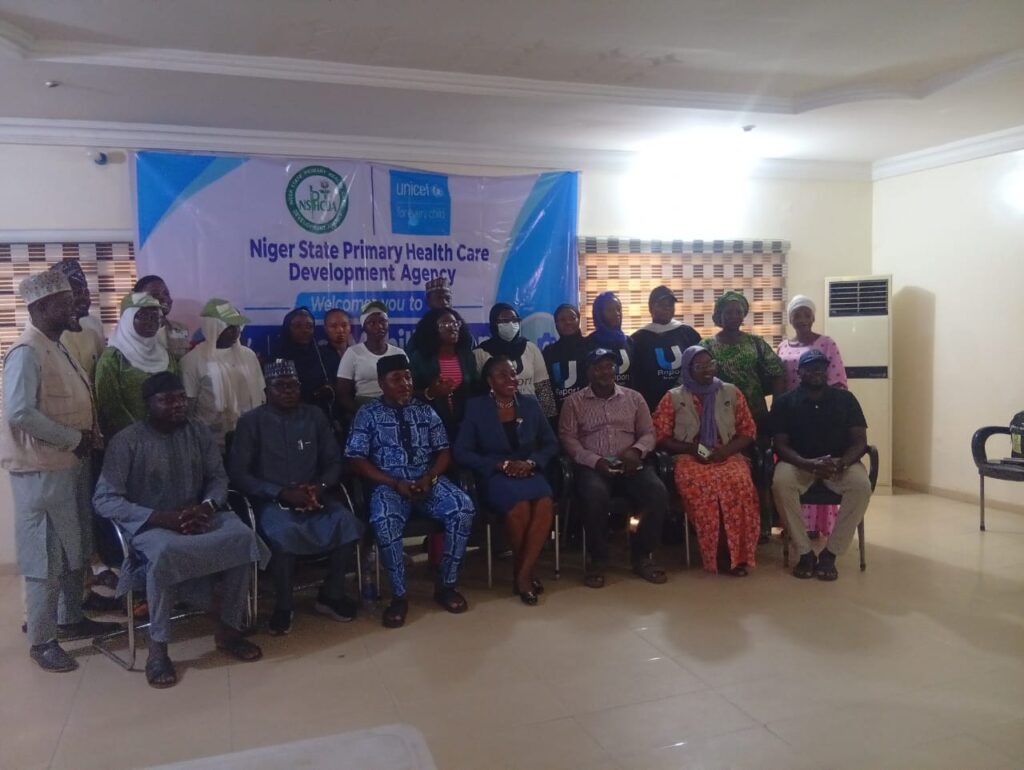
The Niger State Immunisation Officer, Abubakar Kpantu, disclosed this during a mass mobilisation dialogue with journalists, social media influencers and U-Reporters in Minna.


The programme was organised by the Niger State Primary Health Care Development Agency in collaboration with the United Nations Children’s Fund (UNICEF) and the World Health Organisation (WHO).
Speaking on the theme, *”Towards a Polio-Free Niger State,”* Kpantu said three of the five cases were detected through human samples, while two came from environmental surveillance.
He explained that Mariga recorded two human cases, while Magama had one.
The two environmental cases were detected in Chanchaga and Bida local government areas.
Kpantu said the state had commenced reactive vaccination and other interventions to protect children in the affected communities.
“After the environmental sampling, a lot of strategies have been put in place to curtail the spread of the disease, and we want all stakeholders to cooperate with us so that we can tackle the virus,” he said.
He added that children in communities where the virus was detected had received reactive vaccination.
The immunisation officer, however, blamed the development partly on poor routine immunisation and resistance to vaccination.
“All of these are as a result of poor routine immunisation. The virus is here and it is as a result of a high level of non-compliance,” he said.
He urged residents to embrace routine immunisation and strengthen disease surveillance to help the state eradicate poliovirus.
Representatives of WHO, UNICEF and SOLINA also called for increased surveillance and community engagement to prevent further transmission.
They stressed that parents and caregivers must ensure their children receive polio vaccines, warning that public cooperation was essential to containing the virus.
The organisations also called for intensified public sensitisation in Bida, Magama, Mariga and Chanchaga to improve vaccination acceptance and protect children against the disease.