


The Senate has returned to two previously passed bills for fresh legislative scrutiny after identifying provisions requiring clarification, before approving both measures again to strengthen the legal framework for workers’ compensation and federal polytechnic administration.
The decision followed concerns over ambiguities in the Nigerian Employees’ Compensation Trust Fund Agency Bill, 2026, and the Federal Polytechnics Act (Amendment) Bill, 2026, prompting lawmakers to rescind their earlier decisions and reconsider the legislation.
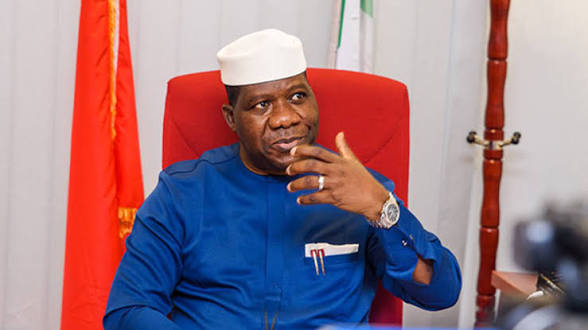
Senate Leader Opeyemi Bamidele, who represents Ekiti Central Senatorial District, sponsored the motion for rescission and recommittal, arguing that further review was necessary to ensure the bills were legally sound and administratively clear.
The Senate had initially passed the compensation bill on June 2 and the polytechnics amendment on July 7, 2026.
Presenting the motion during plenary, Bamidele said certain provisions needed closer examination, particularly Sections 2, 8 and 31 of the Polytechnic Act and several clauses of the proposed employees’ compensation legislation.
“The Senate notes that certain provisions in Sections 2, 8 and 31 of the Polytechnic Act, as well as several provisions of the Employees’ Compensation Trust Fund Establishment Bill, 2026, require further legislative scrutiny, review and amendment to ensure administrative clarity and a comprehensive legal framework,” he said.
Bamidele urged his colleagues to rescind the earlier passage decisions and recommit the bills to the Committee of the Whole for reconsideration.
Seconding the motion, Senator Kamarudeen Olalere Oyewumi, representing Osun West, said the review would help eliminate ambiguities and align the legislation with existing laws governing similar institutions.
The Senate adopted the motion and proceeded to examine the bills clause by clause in the Committee of the Whole.
Lawmakers considered and approved all 96 clauses of the Nigerian Employees’ Compensation Trust Fund Agency Bill, together with its interpretation clause, schedules, explanatory memorandum and long title.
The Federal Polytechnics Act (Amendment) Bill also underwent further consideration before the Senate completed the process and proceeded to the third reading of both bills.
The Senate subsequently passed the two measures.
Compensation agency, technical education in focus
The Nigerian Employees’ Compensation Trust Fund Agency Bill seeks to repeal the Nigerian Social Insurance Trust Fund Act and the Employees’ Compensation Act, 2010, and establish a new agency to oversee the proposed compensation framework.
The legislation is designed to provide for compensation in cases of death, injury, disease or disability arising from, or occurring in the course of, employment.
However, the specific amendments adopted during the Senate’s reconsideration were not detailed in the account of proceedings available.
The Federal Polytechnics Act (Amendment) Bill seeks to revise provisions of the existing law governing federal polytechnics, including aspects of their functions and administration.
Speaking after the passage, Senate President Godswill Akpabio commended Bamidele for initiating the review and thanked senators for their contributions.
Akpabio said the reconsideration was intended to ensure that the bills addressed their objectives effectively, particularly in protecting workers and improving technical education.
“Let me thank the Leader of the Senate for bringing these two very important bills for rescission and recommittal of some clauses, not the whole, and I also thank distinguished senators for their contributions, so that we can ensure that the bills are fit for purpose,” he said.
He stressed that workers’ welfare and the capacity of polytechnics to produce the technical manpower needed by the economy remained important national priorities.
“Taking care of our workers, compensating them, and at the same time ensuring that the educational system and the polytechnics also serve the best interests of the technical team needed for the economy of this country,” Akpabio said.
He congratulated the Senate on the passage of the bills.
The measures will still be subject to the applicable remaining legislative and constitutional requirements before they can become law.