

Nigerian public servants under the Joint National Public Service Negotiating Council have threatened to shut down government services nationwide from Friday, October 2, if the Federal Government fails to reduce the price of petrol to N500 per litre and approve a wage award for workers.
The council, comprising eight public sector unions, said its September 30 deadline to the Federal Government remained sacrosanct, warning that failure to address the workers’ demands would trigger a three-day warning strike.
The unions are also demanding the immediate constitution of a tripartite committee to begin negotiations for a new national minimum wage expected to take effect in 2027.


The council’s position was contained in a statement issued on Tuesday by its National Secretary and General Secretary of the Nigeria Civil Service Union, Gbenga Olowoyo.
The workers had on September 21 written to President Bola Tinubu, demanding urgent measures to ease the impact of rising living costs on public servants and their dependants.
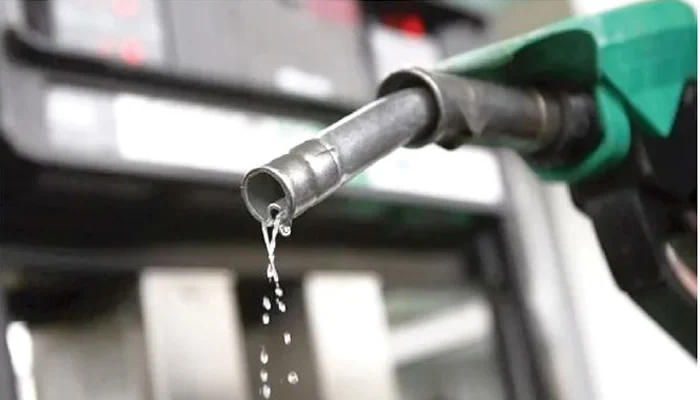
They specifically asked the Federal Government to reduce the pump price of Premium Motor Spirit to N500 per litre, saying current prices of between N1,450 and N2,000, and as high as N2,500 in some areas, had placed workers under severe economic pressure.
The council proposed an intervention fund to address petrol landing costs and support oil and gas operators as part of measures to reduce the price.
It also urged the Federal Government to ensure the sale of crude oil to the Dangote Refinery and modular refinery operators on appropriate terms to boost domestic refining and reduce petroleum product prices.
Beyond petrol, the unions demanded an immediate wage award to cushion workers against the effects of the prevailing economic hardship.
They argued that the measure would help workers sustain their commitment and productivity in the public service.
The council also called for the urgent establishment of a tripartite committee involving the government, labour and employers to commence negotiations for the next national minimum wage.
According to the workers, beginning negotiations early would prevent administrative or procedural delays that could affect the implementation of the new wage when eventually negotiated and enacted by the National Assembly.
The JNPSNC said it had mobilised public servants across the country for the planned three-day warning strike.
It warned that unless the Federal Government took concrete steps to address the demands by September 30, workers would commence the action on October 2.
The council also urged President Tinubu to address the issues in his Independence Day message, saying failure to respond to the concerns would further deepen dissatisfaction among workers and vulnerable Nigerians.
The unions maintained that the high cost of fuel and inadequate wages were placing severe pressure on workers, their families and the wider population.