


By Friday Idachaba, Lokoja
As Nigeria marks its 66th Independence anniversary, the Conscience for Human Rights and Conflict Resolution (CHRCR) has called for a national reassessment of the country’s democratic journey, warning that insecurity, poverty, corruption, unemployment and economic hardship continue to undermine national development.
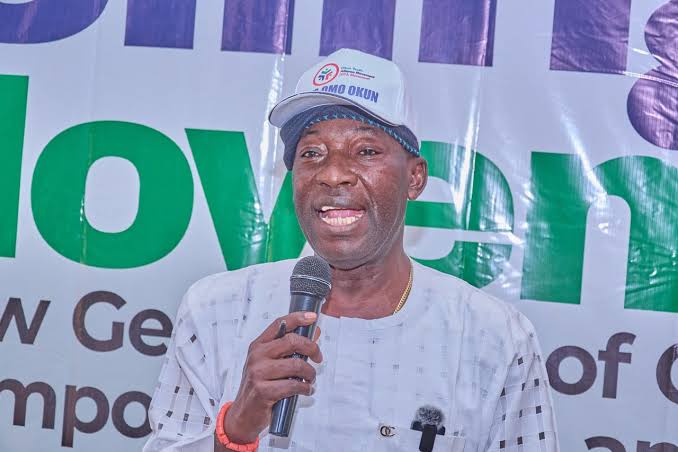
The Executive Director of CHRCR, Idris Miliki Abdul, made the call in an Independence Day statement in Lokoja, saying Nigeria had survived decades of political, economic and security challenges but still faced major obstacles to achieving its development aspirations.


Abdul said Nigerians had reasons to celebrate the country’s continued unity and progress in democratic governance, infrastructure and the expansion of educational institutions.
He, however, said the gains of independence and democracy remained threatened by ethnic and religious divisions, political conflicts, economic deprivation, disregard for court orders and other practices that weaken public trust in institutions.
The rights activist urged the Federal and state governments to address the conditions driving insecurity, particularly violent extremism, rather than relying solely on military and security responses.
He identified poor governance, corruption, inequality, unemployment, poverty, perceived political exclusion and weak public institutions as among the factors that could fuel violent extremism.
According to him, Nigeria’s response to violent extremism remains fragmented, with Federal, state and local interventions often operating without adequate coordination.
He said the situation could result in duplication of efforts, inefficient use of resources and weak measurement of outcomes.
Abdul therefore called for the integration of **Preventing and Countering Violent Extremism (PCVE)** strategies across the three tiers of government.
He said such an approach should establish clearly defined responsibilities, shared objectives, effective data systems and measurable outcomes.
The CHRCR director also called on President Bola Ahmed Tinubu and the Office of the National Security Adviser to make public the revised **Preventing and Countering Terrorism Policy Document**, which he said was reportedly validated within the past year under the coordination of the National Counter Terrorism Centre.
He argued that public access to the policy would enable state governments to develop complementary strategies for preventing and countering violent extremism within their jurisdictions.
Abdul stressed that security and citizens’ welfare should be pursued together, arguing that the protection of national security should not come at the expense of fundamental rights.
He said the Constitution did not permit the country to choose between protecting citizens’ rights and providing effective security.
Ahead of the 2027 general elections, the CHRCR boss urged political parties, candidates, supporters and voters to respect democratic rules and allow citizens to freely exercise their political choices.
He warned against actions capable of deepening division, distrust and instability during the electoral process.
Abdul called for greater commitment from government, civil society organisations and citizens towards consolidating peace, credible elections, national integration and meaningful citizenship.
He said Nigeria’s 66 years of independence should serve not only as a moment of celebration but also as an opportunity to examine the country’s progress and confront the challenges still standing between citizens and the democratic dividends they expect.