

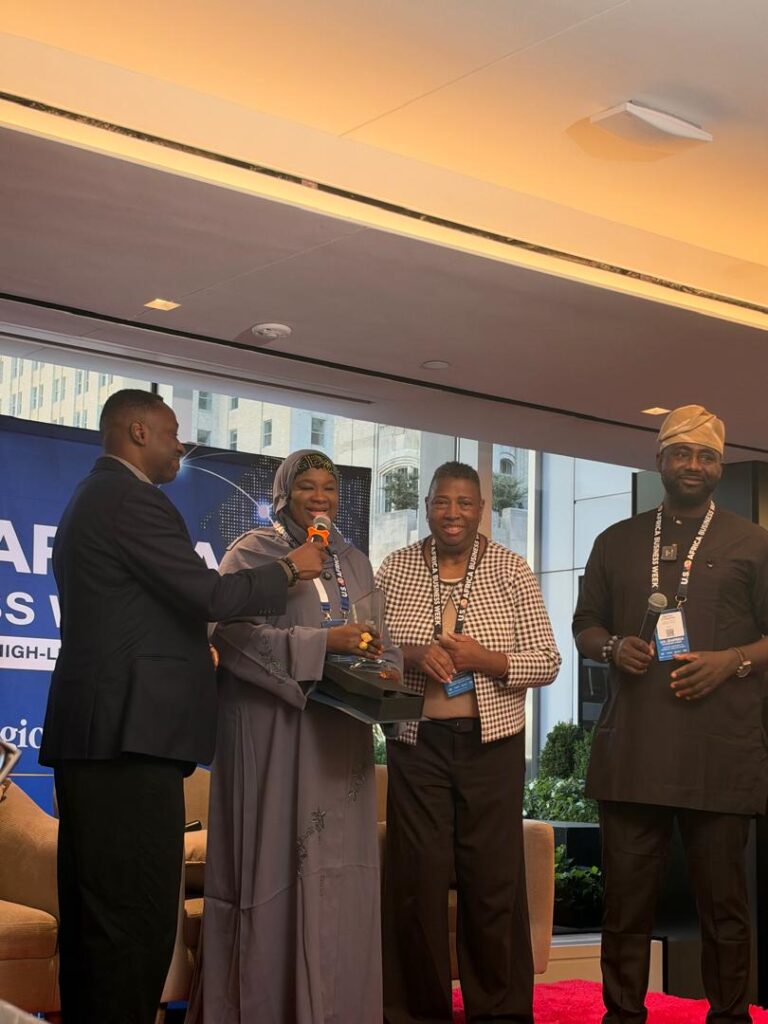

Minister of State for the Federal Capital Territory, Dr. Mariya Mahmoud has contended that a government cannot declare success merely because its citizens are free from armed conflict.
She pointed out that insecurity persists among citizens due to issues such as hunger, unemployment, illness, displacement, or inadequate access to essential services. 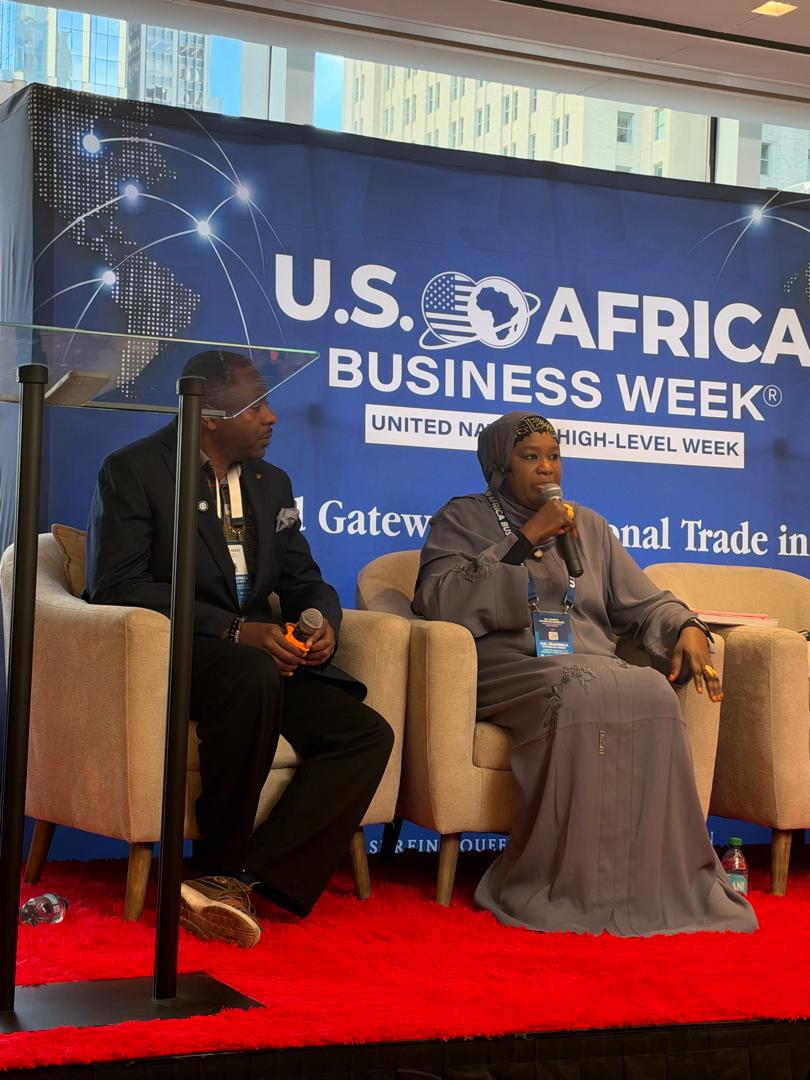
Mahmoud presented this perspective at the Resilience in Leadership and Governance Roundtable, coinciding with the 2026 United Nations General Assembly.
In her discussion titled “Catalyzing Effective Governance and Human Security,” she asserted that true governance should be evaluated based on the lived experiences of citizens.
The minister stressed the importance of focusing on the safety, opportunities, and dignity of individuals rather than solely on government authority.
“A person may be free from armed conflict yet remain profoundly insecure due to hunger, illness, unemployment, displacement, or the lack of basic services,” she stated.
Her stance effectively expanded the concept of human security beyond traditional security concerns.
According to Mahmoud, effective governance should be reflected in the accessibility of quality healthcare, education, safe transportation, efficient public services, and economic opportunities.
She also called for the enhanced involvement of women and youth in governance and development initiatives.
The minister emphasized that resilient leadership should not only withstand crises but also ensure the delivery of essential services even in challenging circumstances.
“Resilient leadership goes beyond enduring a crisis; it encompasses the ability to learn, adapt, and maintain essential services while remaining attentive to the needs of those impacted by public policies,” she remarked.
Mahmoud advocated for ongoing investment in infrastructure, healthcare, education, livelihoods, and food security.
She highlighted the necessity for institutions designed to minimize citizens’ vulnerability and respond effectively to their needs.
Focusing on the Federal Capital Territory, the minister outlined ongoing initiatives led by Minister Nyesom Wike aimed at improving infrastructure, transportation, healthcare, and urban development.
She noted that promoting investment and implementing social interventions are also integral to enhancing the quality of life for residents.
Mahmoud urged governments to make deliberate efforts to incorporate women and youth in development processes and decision-making roles.
She advocated for responsible digital transformation, emphasizing that technology should enhance public service delivery and transparency while ensuring the protection of citizens’ data.
Regarding Africa’s development, the minister urged nations on the continent to take greater ownership of their development agendas.
She asserted that international partnerships should fortify African institutions instead of fostering dependency.
Mahmoud cautioned against the wholesale adoption of foreign governance models without consideration of local contexts.
“Global best practices can be beneficial, but they must be tailored to local realities instead of blindly replicated,” she noted.
She proposed establishing an ongoing African governance peer-learning network to document successful reforms, bolster institutions, and monitor commitments established during international conferences.
According to Mahmoud, sustainable governance fundamentally relies on integrity, accountability, and service.
“Public office is a trust, and it must be pursued with integrity, humility, and a steadfast commitment to service,” she concluded.