


By Friday Idachaba, Lokoja
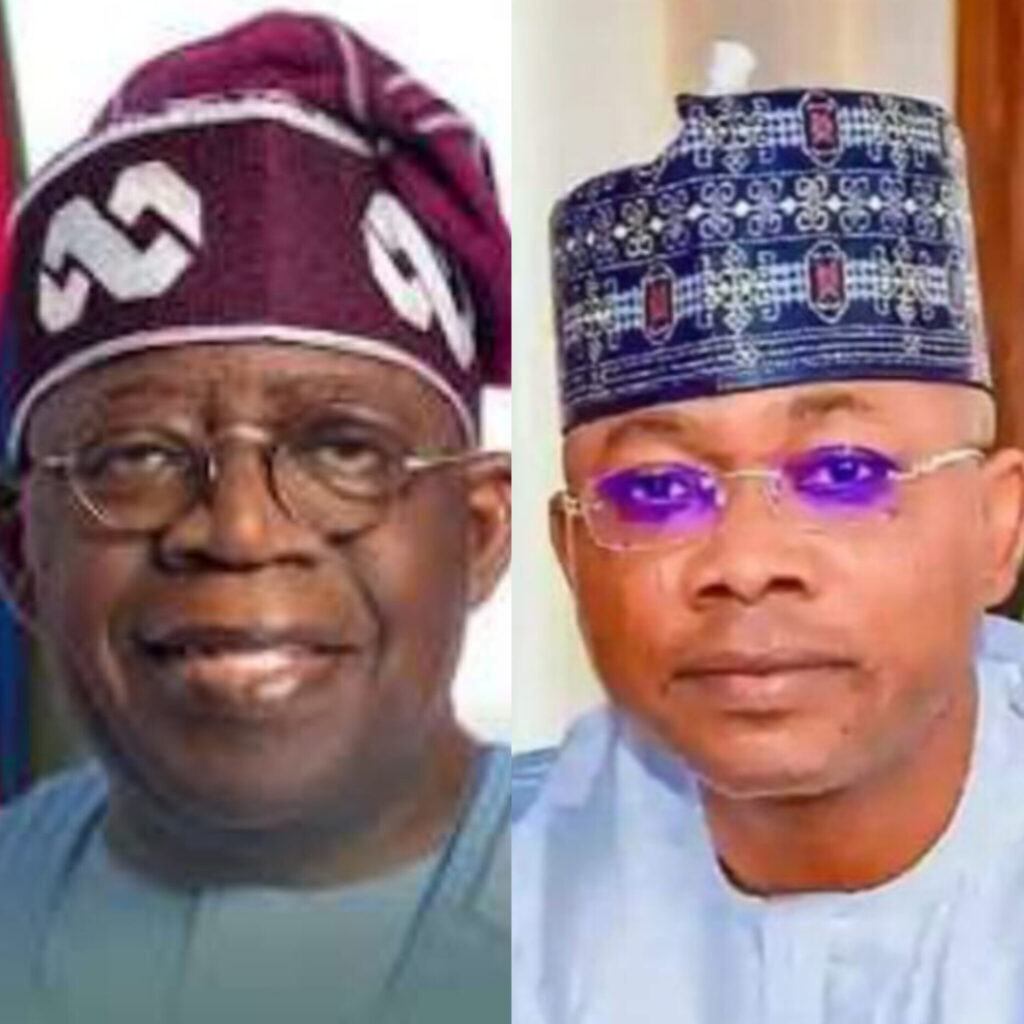
Former Speaker of the Kogi State House of Assembly, Rt. Hon. Prince Matthew Yomi Kolawole, has said the political fortunes of President Bola Ahmed Tinubu and Kogi State Governor Ahmed Usman Ododo in 2027 should be determined by the ballot box, expressing confidence that both leaders will prevail if the elections are conducted transparently.
Kolawole’s position comes with an emphasis on performance over political sentiment, as he challenged voters to judge the two administrations by their records and urged the Independent National Electoral Commission (INEC) to provide a level playing field for all contestants.
According to him, the real test for the 2027 elections is not which political party controls government structures, but whether Nigerians will be allowed to freely express their choices.
He commended INEC for what he described as encouraging improvements in recent electoral exercises, particularly in Ekiti and Osun states, saying the commission under its Chairman, Prof. Joash Ojo Amupitan, SAN, appeared increasingly positioned to deliver credible elections.
Kolawole said if INEC maintained neutrality and protected the integrity of the ballot, Tinubu and Ododo would have a strong basis to seek renewed mandates from the electorate.
“If INEC conducts free, fair and credible elections, Nigerians will decide. I am confident that President Tinubu and Governor Ododo will win because of what their administrations have been able to achieve,” he said.
He argued that elections should not be reduced to contests driven by political propaganda, ethnic sentiments or partisan calculations, insisting that citizens should interrogate what governments have delivered before deciding whether to retain them.
Tinubu’s 2027 Case
On the Federal Government, the former Speaker said the Tinubu administration had embarked on economic reforms and development initiatives which he believed could produce stronger economic foundations if sustained.
He said voters should assess the government on measurable outcomes, including economic stability, infrastructure, employment, social welfare and other indicators that directly affect their lives.
Kolawole maintained that political arguments should not replace objective assessment of government performance.
Ododo’s Record in Kogi
Turning to Kogi, Kolawole said Governor Ododo’s prospects in 2027 would similarly depend on how residents assess his administration’s record.
He listed infrastructure, security, education, healthcare, agriculture, workers’ welfare, youth and women empowerment, housing, electrification and internally generated revenue reforms among the areas he said had received attention since Ododo assumed office on January 27, 2024.
He particularly cited ongoing road construction and rehabilitation projects across the state, describing them as important to opening up communities and stimulating economic activity.
The proposed Kogi International Airport, he added, could become a major economic asset by improving connectivity, attracting investors and creating new opportunities for the state.
In education, Kolawole highlighted bursaries, scholarships, payment of examination fees and the renovation of schools.
He also cited efforts to revive and secure accreditation for the MBBS programme at Prince Abubakar Audu University, Anyigba, describing medical education as critical to addressing the state’s manpower needs.
On healthcare, he said the administration had invested in primary healthcare facilities and expanded access to medical services, particularly in rural communities.
He also praised the administration’s security strategy, which he said had encouraged greater collaboration among the police, military, vigilance groups, hunters and other security formations.
‘Let the People Decide’
Beyond the political claims and counterclaims expected ahead of 2027, Kolawole urged all political actors to accept the supremacy of the electorate.
He appealed to political parties and their supporters to resist attempts to manipulate or intimidate voters and allow INEC to conduct the elections without interference.
He also called on Nigerians to participate actively in the electoral process, saying democracy could not function effectively when citizens disengage from elections.
According to him, the 2027 elections will be credible only if electoral institutions remain independent, political actors play by the rules, security agencies remain professional and candidates are prepared to accept the verdict of the people.
Kolawole said the recent elections in Ekiti and Osun had provided useful lessons on how Nigeria could strengthen its electoral process.
He urged INEC to build on those experiences and ensure that “the vote of every Nigerian counts and the choice of the electorate remains the ultimate determinant of political power.”
Ultimately, he said, neither Tinubu nor Ododo should expect victory merely because they occupy public office.
Their fate in 2027, he stressed, must be decided by the people — and by the credibility of the process through which those people cast their votes.