


By Friday Idachaba, Lokoja
The Initiative for Grassroot Advancement in Nigeria (INGRA) has challenged the Kogi State Government to translate its long-term development agenda into visible improvements in the lives of residents by investing in affordable mass transit, reliable public water supply and environmental sanitation.
The civil society organisation said the true measure of governance is not the number of policy documents or development plans unveiled but the availability of basic public services that directly impact citizens’ daily lives.

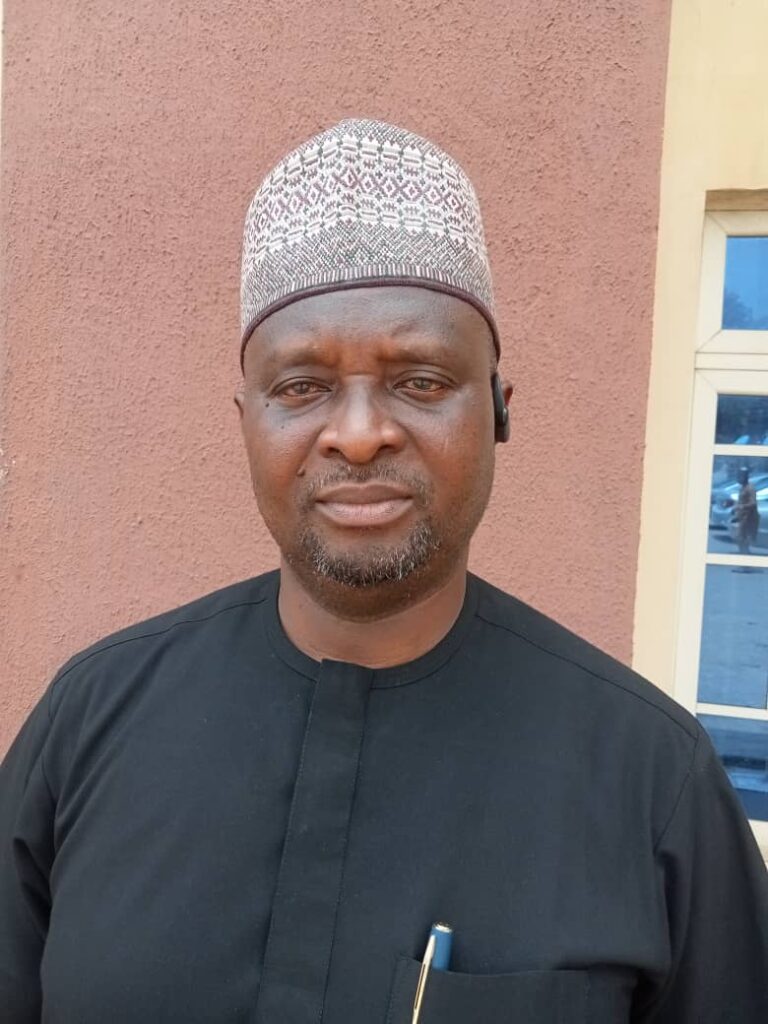
In a statement issued on Tuesday in Lokoja by its Executive Director, Hamza Aliyu, INGRA urged Governor Ahmed Usman Ododo’s administration to prioritise investments in transportation, potable water and sanitation with clear timelines, adequate funding and measurable outcomes.
According to the group, workers, traders, students and families across the state require practical solutions to the rising cost of transportation, unreliable water supply and poor sanitation, describing the services as fundamental responsibilities of government rather than privileges.
INGRA recalled that the Ododo administration had pledged to implement the Kogi State Development Plan 2024–2056, which places infrastructure and essential public services at the centre of the state’s long-term development strategy.
However, it argued that the success of the blueprint should be assessed by tangible improvements in people’s lives.
“A development plan cannot be judged only by conferences, policy documents and announcements. It must be measured by whether water flows, buses are available, roads are accessible, refuse is collected and communities are clean and healthy,” the organisation said.
The group also pointed to the state’s 2026 Second Quarter Budget Implementation Report, which showed that Kogi received about ₦258.94 billion in recurrent and capital receipts between January and June, with cumulative capital expenditure of about ₦121.61 billion.
It said the level of public spending places a responsibility on the government to provide greater transparency and demonstrate how the funds are translating into improved service delivery.
INGRA urged the state government to publish regular updates on projects financed with public resources, including their locations, implementation status and benefits to residents.
On transportation, the organisation proposed the establishment of a subsidised Kogi Mass Transit Scheme linking Lokoja with major towns across the state’s three senatorial districts.
It said the scheme should feature transparent management, affordable fares, dedicated buses for workers and students, accessible terminals and a sustainable maintenance framework.
While welcoming plans for a Federal Bus Terminal in Lokoja, the group stressed that residents needed an efficient intra-city and inter-local government transport system to ease the burden of rising commuting costs.
On water supply, INGRA acknowledged the government’s deployment of free water tankers but described the intervention as a temporary solution.
It called on the administration to disclose the status of the Greater Lokoja and Old Lokoja Water Works, publish details of funds committed to their rehabilitation and provide a timeline for restoring regular public water supply across the state.
The organisation also advocated sustainable water projects in rural and urban communities, insisting that boreholes should complement—not replace—functional public water infrastructure.
Expressing concern over environmental sanitation, INGRA decried the persistence of refuse dumps, blocked drainage channels and inadequate public toilet facilities in Lokoja, warning that the situation poses environmental and public health risks.
It urged the government to implement an emergency sanitation programme encompassing routine waste evacuation, drainage desilting, public toilets, recycling initiatives and stricter oversight of waste management contractors.
According to the group, delivering efficient public transportation, safe drinking water and cleaner communities would demonstrate the government’s commitment to inclusive development and restore public confidence in governance.