

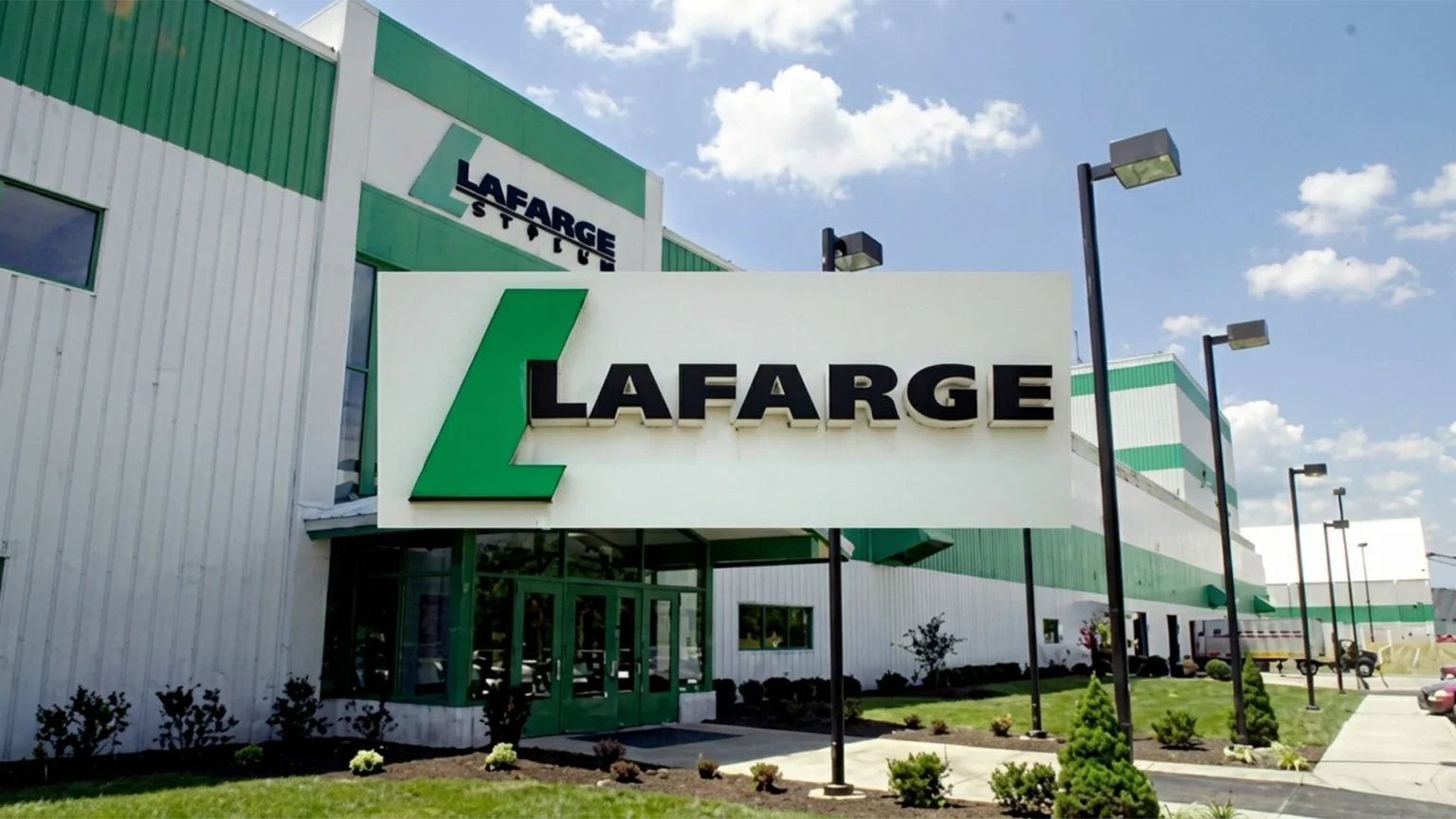
The Senate on Thursday approved the continuation of the proposed $1 billion acquisition of Lafarge Africa Plc by China’s Huaxin, despite unresolved concerns over the identity of shareholders controlling 66 per cent of the company’s equity, a question that remained unanswered before lawmakers endorsed the transaction.
The approval followed the presentation of the report of the Senate Ad Hoc Committee chaired by Senate Minority Leader, Senator Abba Moro, seven months after the upper chamber suspended the deal to scrutinise the planned divestment by Swiss cement giant Holcim AG.
Presenting the report, Moro said the committee found no legal obstacle to the transaction after engaging relevant stakeholders and reviewing the proposed acquisition. He recommended that the Senate allow the sale to proceed, provided all Nigerian laws and regulatory requirements are strictly observed.
The committee also urged regulators to maintain robust oversight throughout the transition and advised the incoming investors to strengthen Corporate Social Responsibility (CSR) initiatives in Lafarge’s host communities.
However, the report came under scrutiny during plenary when Senator Abdul Ningi challenged what he described as a major omission in the committee’s findings—the failure to disclose the ownership of the remaining 66 per cent of Lafarge Africa’s shares.
According to Ningi, the report identified Nigerian interests, including the Federal Government and local investors, as holding about 16 per cent of the company, while Holcim’s stake was put at 18 per cent, leaving the ownership of the remaining 66 per cent unexplained.
He argued that approving the transaction without clarifying the majority ownership denied lawmakers a complete understanding of the deal’s implications.
“I would have expected the committee to clearly present the shareholding structure. Nigerians hold about 16 per cent, Holcim has 18 per cent, but who owns the remaining 66 per cent? That is fundamental to understanding who truly benefits from this transaction,” Ningi said.
The senator also dismissed arguments that the acquisition amounted to the sale of a strategic Nigerian asset, insisting that the available facts suggested it was merely a transfer of ownership between two foreign companies.
According to him, the committee ought to have cited the specific legal provisions governing such a transfer while providing a comprehensive ownership breakdown before seeking Senate approval.
Despite the concerns, no explanation was provided on the Senate floor regarding the undisclosed 66 per cent equity, and none of the committee members responded to Ningi’s observations before the report was adopted.
Senator Danjuma Goje backed the transaction but urged lawmakers to ensure that the incoming investors improve relations with host communities, accusing Lafarge of failing to fulfil several CSR commitments in Gombe State.
Chairman of the Senate Committee on Capital Market, Senator Osita Izunaso, endorsed the committee’s findings, while Senator Shuaib Afolabi Salisu noted that all key stakeholders participated in the review process and supported the recommendations.
The Senate subsequently adopted the report and approved the continuation of the acquisition, directing regulatory agencies to ensure strict compliance with Nigerian laws throughout the transaction.
Yet, the central question raised during the debate—who owns the remaining 66 per cent of Lafarge Africa’s shares?—remained unanswered as the Senate gave its approval, leaving some lawmakers unconvinced that the company’s full ownership structure had been adequately disclosed.
