


Activist and former presidential candidate, Omoyele Sowore, will remain in custody at the Kuje Correctional Centre after a Federal High Court in Abuja adjourned proceedings in his alleged cybercrime case until June 30, 2026.
The adjournment came after arguments by both the prosecution and defence on an application seeking to set aside a bench warrant issued against Sowore and reverse the court’s decision revoking his bail.
At Wednesday’s proceedings, Sowore’s counsel, R.O. Adakonye, who represented Adeyinka Olumide-Fusika (SAN), urged the court to vacate the orders made following his client’s absence from proceedings on June 16.
The defence argued that the application became necessary after the court revoked Sowore’s bail and ordered his arrest over his failure to appear in court.
However, prosecuting counsel, A.T. Kehinde (SAN), opposed the application, informing the court that a counter-affidavit had been filed asking the court to dismiss the request and uphold both the bench warrant and the order revoking bail.
After listening to submissions from both parties, Justice Umar adjourned the matter to June 30 for ruling on the defence application.
Following the adjournment, defence counsel appealed to the court to release Sowore into his custody, undertaking to produce him whenever required.
The request was declined by the judge, who ordered that Sowore be returned to the Kuje Correctional Centre pending the court’s decision on the application.
The latest development follows Monday’s proceedings during which the court revoked the activist’s bail, earlier granted on self-recognition in December 2025, and ordered his remand after he failed to appear before the court.
Before revoking the bail, Justice Umar had directed Sowore to open his defence in the case instituted against him by the Department of State Services (DSS).
The DSS is prosecuting Sowore over alleged cybercrime offences linked to social media posts published on his X and Facebook accounts in August 2025, in which he allegedly referred to President Bola Tinubu as a “criminal.”
According to the prosecution, the posts contravene provisions of Nigeria’s cybercrime laws.
Sowore has consistently challenged the allegations against him, maintaining his innocence.
The case has attracted significant public interest, with civil society organisations, lawyers and political observers closely monitoring proceedings because of the broader questions it raises about free speech, digital rights and the limits of online political expression in Nigeria.
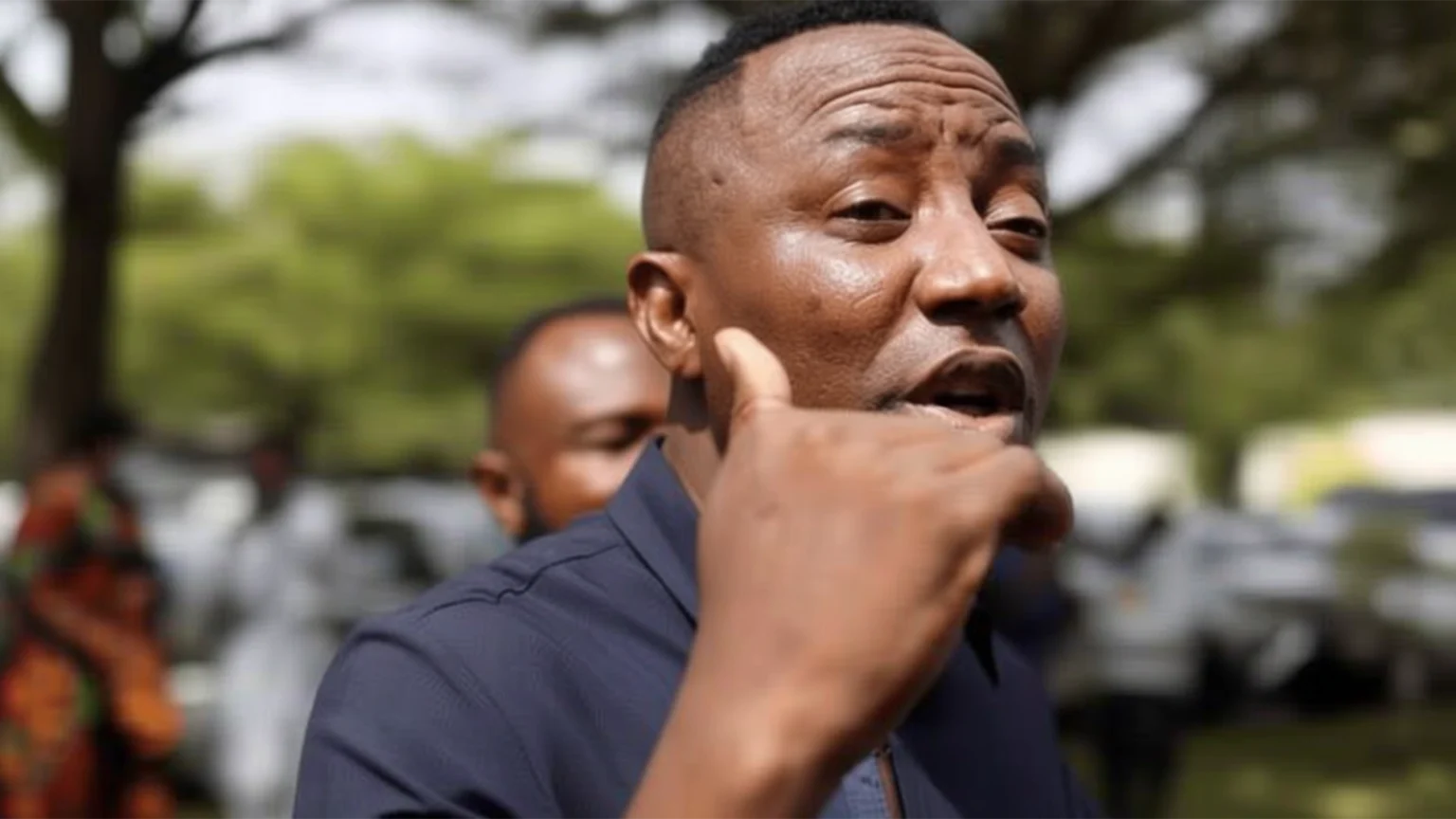
Omoyele Sowore,
